Star trackers can transform wide-field night sky shots by keeping stars pinpoint-sharp during longer exposures. For anyone shooting Milky Way scenes, nightscapes, or time-lapses, the right tracker can mean cleaner files and less time spent fighting star trailing.
In this roundup, we focus on practical, portable options for different budgets, payloads, and setups so you can choose the best fit for your camera, lens, and shooting style.
Best 10 Star Trackers for Long Exposure Photography Picks for 2026
Portable Motorized Tracker
Sky-Watcher Star Adventurer 2i Astro Pack

- Motorized platform for nightscapes and wide-field astro
- Illuminated polar finderscope included
- 2.4 lb body with up to 72-hour AA battery power
Best For: Travel-friendly DSLR astrophotography and portable nightscapes
Mechanical Budget Tracker
Omegon MiniTrack LX3 Essentials

- Purely mechanical and needs no batteries
- Supports cameras and gear up to 3 kg
- Works well with wide-angle and lightweight telephoto lenses
Best For: Simple, battery-free Milky Way tracking
Compact Multi-Speed Tracker
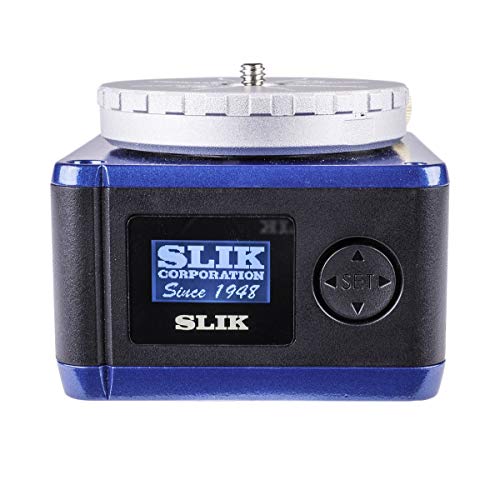
- Supports celestial, lunar, and time-lapse speeds
- 22.4 oz. body is built for backpacking
- Up to 20 hours on 4 AA batteries
Best For: Backcountry shooters who need a compact multi-mode tracker
Stable Full-Package Mount
iOptron SkyGuider Pro Camera Mount

- All-metal body helps reduce vibration
- Illuminated polar scope simplifies alignment
- Up to 11 lb balanced payload with 20-hour battery
Best For: Serious long-exposure astrophotography with portable gear
Manual Polar Scope Tracker
Omegon MiniTrack LX3 Northern Hemisphere

- 650 g compact manual tracker
- Supports up to 3 kg load
- Optical viewfinder included
Best For: Northern Hemisphere camera users wanting a lightweight manual tracker
Portable Auto-Tracking Mount
iOptron SkyTracker Pro with Polar Scope

- Automatic R.A. tracking mount
- Multiple tracking modes available
- Supports up to 3 kg payload
Best For: Photographers who want portable auto-tracking with a polar scope
Full GoTo EQ Tracker
Sky-Watcher Star Adventurer GTi Mount Head Kit

- Full GoTo equatorial tracking
- Built-in Wi-Fi and polar scope
- Includes counterweight and bar
Best For: Astrophotographers wanting a compact GoTo mount with built-in Wi-Fi
Ultra-Light Travel Tracker
Xiaoran Wild Star Single-Axis Equatorial Mount
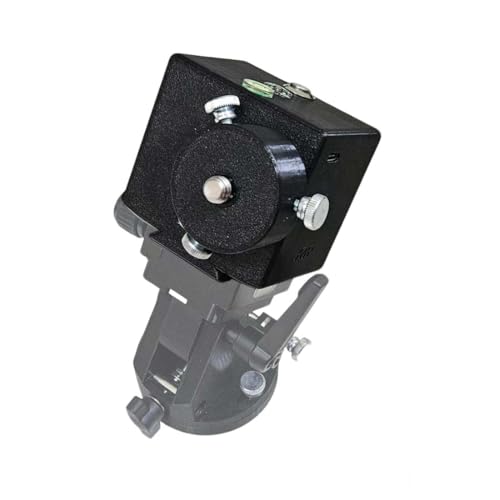
- About 340g for easy travel carry
- Built-in quick release, level, and compass
- Supports up to 4.2kg without counterweights
Best For: Portable long-exposure imaging with telephoto lenses or compact telescopes
Stable Matte Black Tracker
Star Tracking Equatorial Mount
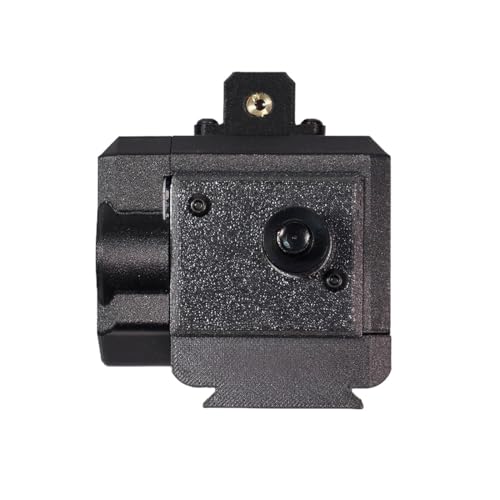
- Supports up to 4kg axial weight
- Bright star pointer works to -10°C
- Carbon fiber reinforced PETG body
Best For: Astrophotographers seeking stable, compact tracking for outdoor sessions
Portable Motorized Tracker – Sky-Watcher Star Adventurer 2i Astro Pack
If you want a portable option for star trackers for long exposure photography, the Sky-Watcher Star Adventurer 2i is built around wide-field nightscapes, Milky Way shots, time-lapse work, and even panoramic setups. Its modular design lets it integrate with existing photographic tripods, while the included illuminated polar finderscope helps make alignment more straightforward in the field.
Best For: DSLR shooters who want a lightweight, travel-friendly tracker for nightscapes, eclipses, and wide-field astro work.
Pros:
- Motorized tracking platform designed for portable astrophotography
- Included illuminated polar finderscope for easier Polaris alignment
- Lightweight 2.4 lb design with 11 lb payload capacity
- Built-in AA battery compartment can run up to 72 hours
Cons:
- Designed around wide-field use rather than heavier telescope setups
- Polar alignment still requires care for best results
The Star Adventurer 2i stands out as a practical grab-and-go tracker for photographers who value portability and flexibility. If your priority is easier long exposures without hauling a bulky rig, this package offers a solid balance of features and convenience.
Mechanical Budget Tracker – Omegon MiniTrack LX3 Essentials
The Omegon MiniTrack LX3 Essentials is a simple, mechanical choice if you are shopping for star trackers for long exposure photography without relying on batteries or charging. It is aimed at wide-angle night sky images and lightweight telephoto lenses up to about 300mm, making it a compact field tool for Milky Way work.
Best For: Northern-hemisphere photographers who want a battery-free tracker for wide-angle or lightweight telephoto astro shots.
Pros:
- Purely mechanical design with no electricity required
- Compact and lightweight at 1.43 lb
- Improved precision over the earlier LX2, with a 60% increase mentioned
- Supports cameras and gear up to 3 kg
Cons:
- Uses a simple polar finder tube instead of an optical polar finder
- Best suited to northern hemisphere use
This is a strong pick if you want a low-maintenance tracker that is easy to take anywhere. Its mechanical operation and compact size make it appealing for photographers who prefer simplicity over electronics.
Compact Multi-Speed Tracker – SLIK ECH-630 Star Tracker
The SLIK ECH-630 is a compact option for star trackers for long exposure photography when you want multiple celestial speeds in a small package. It supports celestial, lunar, and time-lapse shooting, and its LCD menu makes the controls straightforward for backcountry or travel use.
Best For: Backpackers and travel photographers who want a lightweight tracker with multiple astronomy and time-lapse modes.
Pros:
- Multi-speed support for celestial, lunar, and time-lapse photography
- Very lightweight at 22.4 oz.
- Runs up to 20 hours on 4 AA batteries
- LCD menu for simple control
Cons:
- Polar alignment accessory is optional
- Maximum weight recommendation is modest for heavier kits
For photographers who want a small tracker that can handle different shooting modes, the ECH-630 is easy to understand and easy to carry. It is especially appealing if your priority is a lightweight system for the trail or the backcountry.
Stable Full-Package Mount – iOptron SkyGuider Pro Camera Mount
The iOptron SkyGuider Pro is a well-equipped choice for star trackers for long exposure photography, especially if you want a stable all-metal mount with precise polar alignment support. Its illuminated polar scope, adjustable base, and rechargeable battery make it a practical full package for serious astrophotography sessions.
Best For: Photographers who want a sturdy, portable tracker with easy alignment and enough capacity for versatile camera and lens combinations.
Pros:
- All-metal construction designed for stable tracking with reduced vibration
- Integrated AccuAlign illuminated polar scope for easier alignment
- Supports up to 11 lb when balanced
- Internal rechargeable battery offers up to 20 hours of operation
Cons:
- Heavier than some ultra-compact tracker options
- Not water resistant
If you want a tracker that feels more like a robust field tool than a minimalist accessory, the SkyGuider Pro is compelling. It combines portability with stability and alignment features that should suit photographers aiming for cleaner long exposures.
Manual Polar Scope Tracker – Omegon MiniTrack LX3 Northern Hemisphere
If you want star trackers for long exposure photography without a lot of setup complexity, the Omegon Mount MiniTrack LX3 is a compact manual option built for camera use. It supports manual exposure control, is rated for a maximum shutter speed of 15 seconds, and keeps the package simple with a 650 g body and a 3 kg maximum weight recommendation.
Best For: Northern Hemisphere shooters who want a lightweight manual tracker for camera-based night sky work.
Pros:
- Compact 650 g design is easy to pack for travel.
- 3 kg maximum weight recommendation suits many camera-and-lens setups.
- Manual operation keeps the system straightforward.
- Optical viewfinder is included for alignment.
Cons:
- Maximum shutter speed is listed at 15 seconds.
- Not water resistant.
- Made specifically for the Northern Hemisphere version.
Overall, the LX3 is a simple, portable tracker for photographers who value minimal gear and manual control over advanced automation. It makes sense when you want a compact mount that stays focused on camera use rather than added features.
Portable Auto-Tracking Mount – iOptron SkyTracker Pro with Polar Scope
For star trackers for long exposure photography, the iOptron SkyTracker Pro offers automatic R.A. tracking in a portable mount-only package. It supports 1X sidereal plus 1/2X, solar, lunar, and N/S tracking modes, handles up to 3 kg, and includes a polar scope for setup.
Best For: Shooters who want automatic tracking with multiple sky-speed options in a compact camera mount.
Pros:
- Automatic R.A. tracking helps simplify long exposures.
- Multiple tracking modes cover sidereal, solar, lunar, and 1/2X use.
- Polar scope is included for alignment.
- Micro USB charging and padded bag add convenience.
Cons:
- Mount only; the camera is not included.
- Maximum weight recommendation is 3 kg.
- Not water resistant.
The SkyTracker Pro is a practical choice if you want a compact tracking solution with more flexibility than a basic manual mount. Its automatic drive and multiple speed settings make it a strong fit for portable astrophotography kits.
Full GoTo EQ Tracker – Sky-Watcher Star Adventurer GTi Mount Head Kit
If you are comparing star trackers for long exposure photography and want a more advanced portable setup, the Sky-Watcher Star Adventurer GTi adds full GoTo performance in a compact equatorial mount. It includes built-in Wi-Fi, a built-in polar scope with illuminator, a counterweight bar, and a 5 lb counterweight for a more complete tracking package.
Best For: Astrophotographers who want a compact full GoTo tracking mount with built-in connectivity.
Pros:
- Full GoTo performance in a compact package.
- Built-in Wi-Fi adds wireless control potential.
- Built-in polar scope with illuminator helps setup.
- Counterweight bar and 5 lb counterweight are included.
Cons:
- Heavier than the other portable options listed.
- Camera or smartphone mounting hardware may need to be considered separately from the mount head kit.
- More complex than a basic manual tracker.
This kit is the most feature-rich option in the group, aimed at users who want GoTo capability and a more complete mount-head package. It is best suited to photographers ready to trade some simplicity for added tracking features.
Ultra-Light Travel Tracker – Xiaoran Wild Star Single-Axis Equatorial Mount
If you want star trackers for long exposure photography without hauling a bulky setup, this ultra-light single-axis mount is built for portability and quick deployment. Its integrated quick-release system, level, and compass make it easy to get aligned fast, while the compact body is suited to travel and outdoor shooting.
Best For: Travel-friendly astrophotographers using telephoto lenses or compact telescopes who want fast setup and low carry weight.
Pros:
- Weighs about 340g, so it is easy to carry and handle with one hand.
- Built-in quick-release plate, level, and compass reduce setup friction.
- High-brightness polar pointer supports fast alignment in low light.
- High-torque motor is designed for smoother tracking with less vibration.
Cons:
- Single-axis design is more specialized than larger equatorial solutions.
- Effective load is capped at 4.2kg without counterweights.
Overall, this is a strong pick if portability matters more than maximum payload. It focuses on fast field use, stable tracking, and a streamlined setup for long-exposure night sky work.
Deep-Sky Control Mount – Star Tracking Equatorial Mount, Matte Black
This star tracker for long exposure photography is aimed at users who want a more robust mounting platform for deep-sky imaging and time-lapse work. The dual-screw steel shaft, ESP32 dual-core control, and bright star pointer are all focused on stable operation during extended outdoor sessions.
Best For: Deep-sky photographers and time-lapse shooters who want a sturdy, low-power tracking mount with broad tripod compatibility.
Pros:
- Dual-screw steel shaft is designed to resist loosening under reverse load.
- Star pointer stays bright even in temperatures as low as -10°C.
- ESP32 dual-core control runs from 5V mobile power sources for field use.
- 3/8-inch threaded output makes it compatible with many tripods.
Cons:
- Maximum weight recommendation is 500 g, so payload limits are modest.
- It is geared toward astrophotography and time-lapse, not a general-purpose mount.
For users who value a reinforced build and efficient power handling, this model offers a practical balance of portability and stability. Its features lean toward dependable tracking rather than maximum load capacity.
Stable Matte Black Tracker – Star Tracking Equatorial Mount
Among star trackers for long exposure photography, this matte black equatorial mount stands out for its stability-focused design and straightforward field use. It uses a dual-screw steel shaft, a bright star pointer for cold conditions, and ESP32 dual-core control to support extended imaging sessions.
Best For: Astrophotographers who want a stable, lightweight tracker with a strong emphasis on alignment reliability and outdoor durability.
Pros:
- Supports up to 4kg axial weight without counterweights.
- High-brightness star pointer is built for alignment down to -10°C.
- ESP32 dual-core control is powered by low-voltage 5V sources.
- Carbon fiber reinforced PETG body is designed for durability outdoors.
Cons:
- Payload limit is modest compared with larger equatorial setups.
- Compatibility details are less fully specified than some alternatives.
This model is a practical fit if your priority is reliable tracking in a compact package. Its feature set centers on stable mechanics, efficient control, and field-ready durability.
How We Picked the Best Star Trackers for Long Exposure Photography
We prioritized ease of use, tracking accuracy, portability, battery life, polar alignment support, payload capacity, and overall value. For Star Trackers for Long Exposure Photography, the best choice is usually the one that matches your camera weight and the type of shots you want to make most often.
Quick Comparison
Some models are built for ultra-portable nightscapes and travel, while others offer stronger tracking, GoTo convenience, or better support for heavier rigs. If you want the lightest carry, compact single-axis trackers stand out; if you want more flexibility and automation, a GoTo-style mount can be worth the extra size and setup time.
Key Buying Factors for Star Trackers for Long Exposure Photography
Payload and Rig Balance
Make sure the tracker can comfortably handle your camera, lens, ball head, intervalometer, and any mounting accessories. Staying under the recommended load usually improves tracking consistency.
Alignment and Tracking Accuracy
Polar scope quality, alignment ease, and the precision of the tracking motor all affect star shapes in the final image. Better alignment tools can save time in the field and reduce missed shots.
Power and Runtime
Battery type matters if you plan to shoot all night or travel far from charging options. Look for long runtimes, common battery formats, or USB power if convenience is a priority.
Portability and Setup Speed
For backpacking and quick sessions, compact size and fast setup matter as much as raw performance. Heavier mounts may offer more capability, but they are less convenient for frequent travel.
Who Should Buy Which Star Trackers for Long Exposure Photography?
Travel photographers and beginners usually do best with lighter, simpler models that are quick to align and easy to carry. Users shooting longer lenses, heavier cameras, or more advanced deep-sky compositions should look at sturdier trackers or full mount kits with more control.
If you want a balance of portability and capability, choose a proven mid-range tracker. If your priority is automation and telescope-style flexibility, a GoTo equatorial option may be the smarter long-term investment. For most buyers, the best Star Trackers for Long Exposure Photography are the ones that make it easier to shoot consistently, not just the ones with the most features.