A fast memory card reader can significantly reduce transfer times when you are moving large RAW photo libraries, 4K video, or daily backups. The best models combine genuine UHS-II performance with dependable connectivity, broad card compatibility, and a design suited to your workflow.
We compared 10 leading options, including compact USB-C readers, dual-slot models, and professional readers for SD, microSD, CFast, and CFexpress cards. Use the guide below to narrow your choice by speed, ports, card types, and intended use.
Best 10 Memory Card Reader with Uhs Ii Support Picks for 2026
Best Value
BENFEI SD 4.0 USB-C/USB-A Card Reader

- UHS-II speeds up to 312 MB/s
- USB-C and USB-A connectivity
- SD and microSD slots with 18-month warranty
Best For: Mixed USB-C and USB-A setups
Fastest Dual-Slot Pick
ProGrade Digital SD UHS-II Reader

- Two SD UHS-II slots
- Up to 1.25 GB/s advertised speed
- Magnetic mounting plate and 2-year warranty
Best For: High-volume dual-card workflows
Best for Mobile Devices
UGREEN USB-C SD 4.0 Card Reader

- UHS-II speeds up to 312 MB/s
- USB-C and USB-A interfaces
- Supports cards up to 2TB
Best For: Camera-to-phone and tablet transfers
Best Integrated Cable
SABRENT USB-C Dual-Slot UHS-II Reader

- SD and microSD UHS-II support
- Attached 6-inch USB-C cable
- Plug-and-play and bus powered
Best For: Simple USB-C workstation setups
Fast Workflow Pick
ProGrade CFexpress Type B & SD Reader
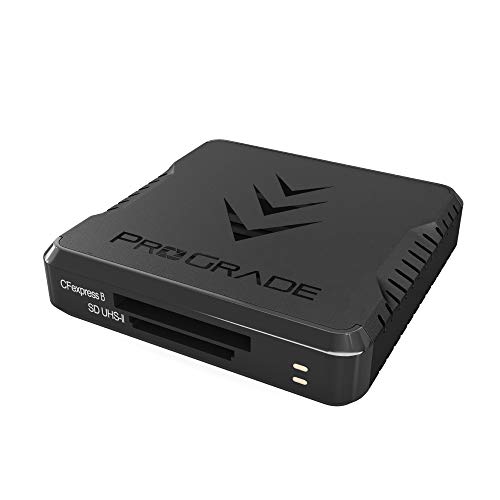
- CFexpress Type B and SD UHS-II support
- Up to 10Gb/s USB 3.2 Gen 2 transfers
- Simultaneous dual-card transfers
Best For: Professional photo, video, and digital imaging workflows
Compact Versatility Pick

- SD and MicroSD UHS-II slots
- 312MB/s-rated SD 4.0 transfers
- Lightweight USB-C design
Best For: Mobile users handling SD and MicroSD cards
Filmmaker’s Dual-Slot Pick
ProGrade CFast & SD UHS-II Reader

- CFast and SD UHS-II support
- Up to 1250MB/s transfer rate
- Simultaneous dual-slot transfers
Best For: Professional CFast and SD-based production workflows
Best All-Around UHS-II Pick

- Up to 312 MB/s UHS-II transfers
- Dual SD and microSD slots
- Plug-and-play USB-C compatibility
Best For: Photographers and creators using USB-C devices
Best Established Brand Option
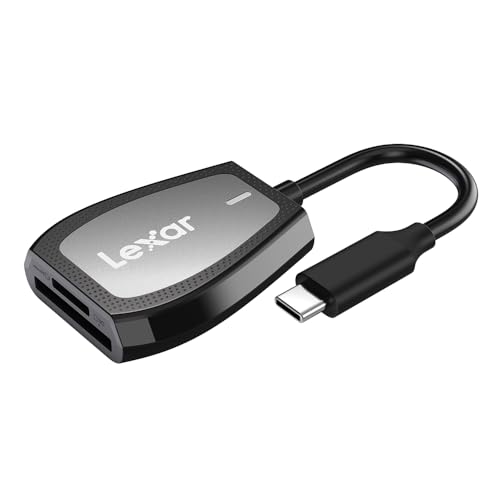
- Up to 312 MB/s read speed
- Dual SD and microSD slots
- LED status light and two-year warranty
Best For: USB-C desktop and laptop workflows
Best Compact Travel Value
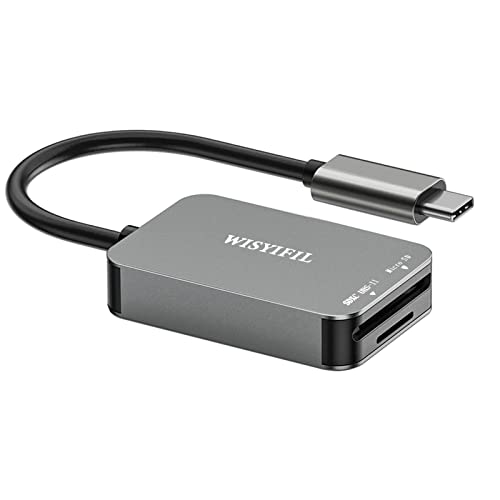
- Up to 312 MB/s UHS-II SD transfers
- SD and microSD slots
- Compact aluminum USB-C design
Best For: Traveling photographers using USB-C devices
Best Value – BENFEI SD 4.0 USB-C/USB-A Card Reader
If you want a versatile memory card reader with UHS II support without committing to a single connector, the BENFEI SD 4.0 is a practical choice. It combines SD and microSD slots with a USB-C/USB-A 2-in-1 cable and supports transfer speeds up to 312 MB/s when paired with compatible UHS-II cards and a suitable USB port.
Best For: Users who need one portable reader for USB-C and USB-A computers, plus both SD and microSD cards.
Pros:
- Supports UHS-II and UHS-I cards with transfer speeds up to 312 MB/s.
- Built-in USB-C/USB-A connectivity works with newer and older computers.
- Braided cable, aluminum casing, and an 18-month warranty add durability and support.
Cons:
- Actual speeds depend on the memory card and connected USB port.
- The SD and microSD slots are intended for one card format at a time rather than simultaneous transfers.
The BENFEI stands out as a flexible, durable everyday reader. Its dual-connector design is especially useful if your devices mix USB-C and USB-A ports.
Fastest Dual-Slot Pick – ProGrade Digital SD UHS-II Reader
The ProGrade Digital PG08 is a performance-focused memory card reader with UHS II support for photographers, videographers, and other users moving large files. Its dual SD UHS-II slots can transfer data from both cards simultaneously, with advertised speeds up to 1.25 GB/s over USB 3.2 Gen 2.
Best For: Creators who regularly offload two SD UHS-II cards and want a compact, professional-oriented workflow.
Pros:
- Dual SD UHS-II slots support simultaneous transfers.
- Advertised transfer speeds reach up to 1.25 GB/s over USB 3.2 Gen 2.
- Includes a magnetic mounting plate and a two-year warranty.
Cons:
- Supports SD cards but does not list a microSD slot.
- Its highest advertised performance requires compatible USB 3.2 Gen 2 equipment and cards.
Choose the ProGrade when throughput and two-card handling matter more than broad media-format support. It is particularly well suited to post-production workflows built around SD UHS-II cards.
Best for Mobile Devices – UGREEN USB-C SD 4.0 Card Reader
The UGREEN USB-C SD 4.0 is a compact memory card reader with UHS II support that connects to computers and compatible mobile devices through USB-C or USB-A. It supports SD and microSD formats, with speeds up to 312 MB/s for UHS-II cards and up to 5 Gbps to the host connection.
Best For: Travelers and mobile users transferring camera or phone files between computers, tablets, and OTG-compatible smartphones.
Pros:
- Supports UHS-II and UHS-I SD and microSD cards up to 2TB.
- USB-C and USB-A connectivity broadens device compatibility.
- Compact 60 g design, plug-and-play operation, and a 24-month warranty.
Cons:
- Mobile use requires a compatible USB-C OTG device.
- Actual transfer performance depends on the card and host connection.
UGREEN is a strong fit when portability and device flexibility are priorities. Its format support makes it convenient for moving files from cameras, phones, tablets, and computers.
Best Integrated Cable – SABRENT USB-C Dual-Slot UHS-II Reader
The SABRENT CR-CSDM is a straightforward memory card reader with UHS II support for users who want SD and microSD access through a single USB-C connection. Its integrated 6-inch cable supports up to 5 Gbps to the host, while compatible UHS-II cards can reach speeds up to 312 MB/s.
Best For: USB-C laptop and desktop users who prefer a compact reader with a permanently attached cable and dual card slots.
Pros:
- Supports both UHS-II SDXC and microSDXC cards.
- Integrated 6-inch USB-C cable reduces the need for a separate cable.
- Plug-and-play, bus-powered design requires no extra power supply.
Cons:
- USB-C is the native connector; USB-A use requires an adapter.
- Its 5 Gbps host connection may limit performance compared with faster interfaces.
The SABRENT is a practical, uncluttered option for a USB-C workstation or travel kit. Choose it when an attached cable and simple plug-and-play operation are more useful than interchangeable connectors.
Fast Workflow Pick – ProGrade CFexpress Type B & SD Reader
If you need a memory card reader with UHS II support for demanding photo and video workflows, this ProGrade Digital model combines CFexpress Type B and SD UHS-II slots with USB 3.2 Gen 2 connectivity. It can transfer from both cards simultaneously at speeds up to 1.25GB/s, according to the supplied specifications.
Best For: Photographers, videographers, and creators who use CFexpress Type B and SD UHS-II cards and want a fast dual-slot reader for desktop or mobile work.
Pros:
- Supports CFexpress Type B and SD UHS-II cards.
- USB 3.2 Gen 2 supports transfer speeds up to 10Gb/s.
- Dual-slot transfers can run simultaneously.
- Includes a magnetic mounting system and two-year warranty.
Cons:
- Its two slots are tailored to CFexpress Type B and SD cards rather than MicroSD.
- The professional feature set may be more than casual users need.
This is a strong choice when speed and a streamlined field setup matter more than having a broad selection of card formats.
Compact Versatility Pick – UGREEN USB-C SD 4.0 Reader
For a portable memory card reader with UHS II support, the UGREEN USB-C reader offers SD and MicroSD UHS-II slots in a lightweight design. It supports SD 4.0 transfer speeds up to 312MB/s and connects through USB-C for compatible laptops, tablets, phones, and other devices.
Best For: Mobile creators and everyday users who need SD and MicroSD support in a small USB-C reader for computers, tablets, or OTG-capable Android devices.
Pros:
- Supports SD 4.0 UHS-II and MicroSD UHS-II cards.
- Can read and write two cards simultaneously.
- Plug-and-play design works with listed Windows, macOS, Linux, ChromeOS, iPadOS, and Android systems.
- Lightweight aluminum body and braided cable.
Cons:
- USB connectivity is limited to USB-C.
- Android devices require OTG support.
- The listed 5Gb/s interface is slower than USB 3.2 Gen 2 readers.
Choose this model for convenient SD and MicroSD access across USB-C devices, especially when portability and format flexibility are priorities.
Filmmaker’s Dual-Slot Pick – ProGrade CFast & SD UHS-II Reader
This ProGrade Digital reader is a specialized memory card reader with UHS II support for workflows using CFast and SD UHS-II media. Its USB 3.2 Gen 2 interface is rated for transfers up to 1250MB/s, and both slots can transfer at full speed simultaneously.
Best For: Professional filmmakers, photographers, and content creators who work with CFast and SD UHS-II cards and need a dual-slot reader.
Pros:
- Supports CFast and SD UHS-II cards.
- USB 3.2 Gen 2 supports high-speed file transfers.
- Dual-slot design supports simultaneous full-speed transfers.
- Includes a magnetic laptop mounting plate and two-year warranty.
Cons:
- It is not a CompactFlash reader.
- Its format support is specialized rather than broadly multi-format.
- The supplied specifications list USB-C connectivity, which may require an adapter for other ports.
This reader makes the most sense for creators already invested in CFast and SD UHS-II media who want a fast, field-friendly transfer setup.
Best All-Around UHS-II Pick – uni USB-C SD 4.0 Card Reader
If you need a memory card reader with uhs ii support for a USB-C laptop, tablet, or phone, the uni USB-C SD 4.0 reader offers up to 312 MB/s transfers through its UHS-II SD slot. Its dual-slot design also supports SD and microSD cards, making it a practical choice for photographers and content creators managing multiple card formats.
Best For: Photographers, videographers, and mobile creators who want fast UHS-II SD transfers plus broad USB-C compatibility.
Pros:
- Supports UHS-II transfer speeds up to 312 MB/s.
- Includes SD and microSD slots with SD 4.0 support.
- Plug-and-play design works with Windows, macOS, ChromeOS, Linux, iOS, and Android devices.
- Compact aluminum housing and 15 cm cable suit portable use.
Cons:
- Uses USB-C and does not support Lightning-port iPads or iPhones.
- Actual performance depends on the card and connected device.
With fast UHS-II support, two card slots, and an 18-month limited warranty, this uni reader is a versatile option for USB-C workflows. Confirm your device has a compatible USB-C port before buying.
Best Established Brand Option – Lexar Dual-Slot UHS-II Reader
The Lexar Dual-Slot reader is a straightforward memory card reader with uhs ii support for USB-C computers. It reaches read speeds of up to 312 MB/s, supports USB 3.2 Gen 1, and provides separate SD and microSD slots for convenient file transfers.
Best For: Desktop and laptop users who want a simple dual-slot reader with an activity indicator and a two-year limited warranty.
Pros:
- Read speeds reach up to 312 MB/s with compatible UHS-II cards.
- Dual-slot design handles SD and microSD media.
- LED activity light indicates operating status.
- Backward compatible with UHS-I cards and USB 2.0 ports.
Cons:
- Compatibility notes focus on USB-C computers rather than phones or tablets.
- UHS-I cards operate at their lower supported speeds.
Lexar keeps the feature set focused: fast UHS-II reading, two card slots, and clear status feedback. Its two-year limited warranty adds reassurance for regular desktop and laptop use.
Best Compact Travel Value – WISYIFIL USB-C SD 4.0 Reader
For a portable memory card reader with uhs ii support, this WISYIFIL USB-C SD 4.0 model provides up to 312 MB/s transfers for UHS-II SD cards. It also includes a microSD slot and works with USB-C laptops, tablets, smartphones, and OTG-enabled Android phones.
Best For: Travelers and heavy SD card users who need a compact aluminum reader for USB-C devices.
Pros:
- Supports UHS-II speeds up to 312 MB/s for compatible cards.
- Includes both SD and microSD card slots.
- Plug-and-transfer operation requires no app or driver installation.
- Aluminum housing supports portability and heat dissipation.
Cons:
- The microSD slot supports UHS-I speed only.
- Warranty coverage is limited to one year.
- Compatibility depends on having a USB-C port and, for phones, OTG support.
This reader is a useful travel-focused choice when you primarily use UHS-II SD cards but occasionally need microSD access. Its compact aluminum construction and broad device list make it easy to carry between workstations.
How We Picked the Best Memory Card Reader with Uhs Ii Support
We focused on readers that support UHS-II SD cards and provide a practical high-speed connection, such as USB 3.2 or USB 3.2 Gen 2. We also considered slot configuration, compatibility with SD and microSD formats, USB-C and USB-A flexibility, construction quality, portability, and suitability for photography or video workflows.
A reader’s advertised speed is only one part of performance. Your computer port, cable, memory card, file type, and card capacity can all affect real-world transfer rates. Models with dual slots or support for professional formats received additional consideration for users who regularly manage multiple cards.
Quick Comparison
| Best For | Recommended Type | Key Advantage |
|---|---|---|
| Everyday laptop transfers | Compact USB-C UHS-II reader | Simple, portable setup |
| USB-C and USB-A computers | 2-in-1 or dual-connector reader | Broader device compatibility |
| Simultaneous card workflows | Dual-slot reader | Convenient card access |
| Professional cameras | Multi-format reader | Supports formats such as CFast or CFexpress |
| Travel and mobile editing | Small single-slot reader | Lower bulk and easy storage |
Key Buying Factors for a Memory Card Reader with UHS-II Support
Speed and Connection Standard
Look for USB 3.2 connectivity and a reader explicitly labeled UHS-II. UHS-II cards use a second row of contacts for higher transfer speeds, but the reader and host device must also support the necessary standard. A USB 2.0 port will become a major bottleneck.
Slots and Card Compatibility
Choose a single-slot reader if you mainly use one SD card at a time. Dual-slot designs are more useful for photographers carrying SD and microSD cards or transferring from two cards during a larger workflow. Check whether the reader supports SDXC, microSDXC, UHS-I cards, and any specialized formats you use.
Ports, Cables, and Operating Systems
USB-C is increasingly common on modern laptops, tablets, and phones, while USB-A remains useful with older desktops and accessories. A reader with both connector types offers flexibility, but detachable cables can be easier to replace. Confirm compatibility with your operating system and mobile device before buying.
Design and Reliability
For frequent travel, prioritize a compact enclosure, protected slots, and a cable or connector that will not be strained in a crowded bag. Professionals may prefer a sturdier reader with better heat management and a longer warranty, especially when transferring large video files repeatedly.
Who Should Buy Which Memory Card Reader with Uhs Ii Support?
Choose a compact USB-C model if you want a lightweight reader for a laptop, tablet, or phone. Choose a USB-C/USB-A model if the reader will move between newer and older computers. Choose a dual-slot reader if you use both SD and microSD cards or want a more efficient desktop workflow.
Choose a professional multi-format reader if your cameras use CFast or CFexpress alongside SD cards. For occasional transfers, a basic UHS-II reader may provide all the speed you need; for large RAW catalogs and high-bitrate video, prioritize USB 3.2 Gen 2 connectivity and a high-quality cable.