Finding the right logic analyzer can make embedded debugging far faster, but specifications such as sample rate, memory depth, channel count, and protocol support vary widely.
This roundup compares 10 logic analyzers with protocol decoding, from affordable 8-channel USB tools to high-speed 16-channel instruments for demanding development work.
Best 10 Logic Analyzers with Protocol Decoding Picks for 2026
Best All-Around Coverage
LA2016 16-Channel Logic Analyzer

- 16 channels with 200MHz sampling
- 1Gbit memory for complex captures
- Decodes 20+ protocols across major operating systems
Best For: Versatile embedded and digital-bus debugging
Best for High-Speed USB 3.0
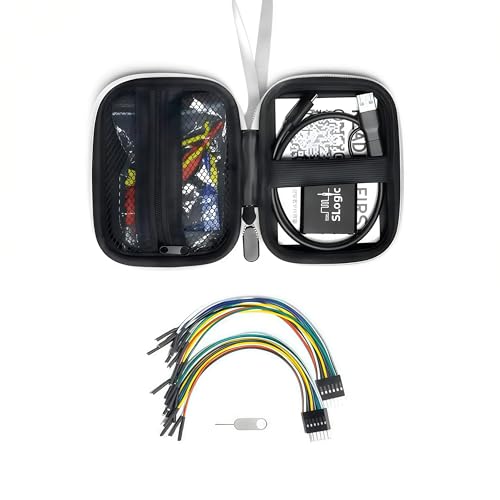
- 800MS/s sampling across 16 channels
- 5Gbps USB 3.0 transmission
- 150+ decoders through PulseView
Best For: Fast MCU, FPGA, and embedded debugging
Best for Flexible Capture Modes
DSLogic Plus 16-Channel Analyzer

- 400MHz maximum buffer-mode sampling
- Stream mode supports up to 16G samples
- Nearly 100 decoders in cross-platform DSView
Best For: Long recordings and high-speed signal inspection
Best Premium Mixed-Signal Option

- 16 configurable digital and analog inputs
- 500MS/s digital sampling
- 10B+ digital samples using PC memory
Best For: Mixed-signal debugging and reverse engineering
High-Capacity Pick
DL16 Plus 16-Channel Logic Analyzer

- 500 MHz maximum sample rate with 16 channels
- More than 120 protocols and customizable decoding
- Up to 1G hardware storage with stream mode
Best For: Advanced debugging and long, protocol-rich captures
Easy-Use Pick

- Eight combined digital/analog inputs
- Decodes SPI, I2C, and 23+ analyzers
- Works with Windows, Mac, and Linux
Best For: Portable everyday digital and analog debugging
Streaming Pick

- 250 MHz recording with 16G streaming depth
- Decodes more than 170 digital protocols
- USB Type-C connection with buffer and stream modes
Best For: Long embedded-system captures and firmware debugging
Budget USB Debugger
HiLetgo 8-Channel Logic Analyzer

- Eight channels with up to 24 MHz sampling
- Input range from -0.5 V to 5.25 V
- Compact USB analyzer for embedded debugging
Best For: Budget-friendly UART, I2C, and SPI troubleshooting
Protocol-Decoding Workhorse

- 16 channels at 100 MHz per channel
- Decodes 30+ standard protocols
- Works with Windows, macOS, and Linux
Best For: Complex embedded and communication-system debugging
DIY Protocol Tool
Comidox CP317 8-Channel Analyzer

- Eight channels with up to 24 MHz sampling
- Automatic UART, I2C, and SPI analysis
- Includes USB cable and 10 Dupont wires
Best For: Arduino, ARM, FPGA, and robotics projects
Best All-Around Coverage – LA2016 16-Channel Logic Analyzer
For buyers seeking logic analyzers with protocol decoding, the LA2016 combines 16 channels, a 200MHz sampling rate, and 1Gbit memory. Its software decodes more than 20 protocols, including I2C, SPI, UART, CAN, I2S, USB 1.1, JTAG, and Modbus, making it a versatile option for embedded debugging.
Best For: Cross-platform lab or field debugging across common digital buses.
Pros:
- Captures 16 digital signals simultaneously at up to 200MHz.
- Includes automated decoding for more than 20 protocols.
- Works with Windows, macOS, and Linux and includes probes and hook clips.
Cons:
- Its 200MHz sampling rate is lower than the fastest option in this roundup.
- The product listing contains unusually broad computer-hardware specifications that may be confusing.
The LA2016 is a practical general-purpose choice when protocol breadth, portability, and broad operating-system support matter more than maximum sampling speed.
Best for High-Speed USB 3.0 – Sipeed SLogic16U3 Basic Kit
The Sipeed SLogic16U3 stands out among logic analyzers with protocol decoding by pairing 16 channels with up to 800MS/s sampling and USB 3.0 transmission at 5Gbps. It supports more than 150 common bus decoders through PulseView, including UART, I2C, SPI, CAN, and JTAG.
Best For: Fast embedded, MCU, and FPGA signal debugging where broad decoder support is useful.
Pros:
- Offers up to 800MS/s sampling with 5Gbps USB 3.0 transfer.
- Supports more than 150 protocol decoders through cross-platform PulseView software.
- Provides 0–10V input range, flexible triggering, and a compact aluminum shell.
Cons:
- The Basic Kit includes only the basic test probes and USB 3 cable.
- Its feature set may be more than needed for simple low-speed captures.
Choose this model when high sampling speed and an extensive decoder library are priorities. Its small enclosure and 100g weight also suit portable development work.
Best for Flexible Capture Modes – DSLogic Plus 16-Channel Analyzer
The DSLogic Plus gives buyers of logic analyzers with protocol decoding two ways to capture signals: stream mode for long recordings and buffer mode for higher sampling rates. It reaches 400MHz in buffer mode, supports up to 16 channels, and works with DSView software and its nearly hundred protocol decoders.
Best For: Engineers who need to switch between extended recordings and high-speed, shorter captures.
Pros:
- Supports stream captures up to 16G samples using PC memory.
- Reaches 400MHz in buffer mode and supports 256Mbit onboard memory.
- DSView works on Windows, macOS, and Linux and includes nearly 100 decoders.
Cons:
- Maximum sampling rates vary with the number of active channels and capture mode.
- USB 2.0 is slower than the USB 3.0 interface used by some alternatives.
The DSLogic Plus is particularly appealing for troubleshooting sessions that alternate between long-duration monitoring and detailed high-speed waveform inspection.
Best Premium Mixed-Signal Option – Saleae Logic Pro 16
The Saleae Logic Pro 16 is a premium choice among logic analyzers with protocol decoding, offering 16 configurable digital and analog inputs. It decodes SPI, I2C, and more than 23 additional protocols, while USB 3.0 and PC memory support long digital and analog recordings.
Best For: General debugging, reverse engineering, timing analysis, and mixed-signal work.
Pros:
- Combines 16 digital and analog inputs in one analyzer.
- Provides up to 500MS/s digital and 50MS/s analog sampling.
- Captures more than 10 billion digital samples and 500 million analog samples using PC memory.
Cons:
- Its analog sampling rate is lower than its digital rate.
- The listing does not specify the full names of all supported protocols.
- It weighs 1.1 pounds, making it less lightweight than some compact alternatives.
For buyers who need both analog and digital visibility, the Logic Pro 16 offers a broad debugging platform with substantial recording capacity and cross-platform support.
High-Capacity Pick – DL16 Plus 16-Channel Logic Analyzer
For shoppers comparing logic analyzers with protocol decoding, the DL16 Plus stands out with 16 channels, a stated 500 MHz maximum sample rate, deep hardware storage, and support for more than 120 protocols. Its cross-platform software and configurable decoding library add flexibility for development and debugging work.
Best For: Engineers who need broad protocol coverage, deep captures, and customizable analysis across Windows, Ubuntu, or Mac.
Pros:
- Supports more than 120 protocols, with an open library for custom protocol decoding.
- Offers RLE compression, stream mode, and up to 1G of hardware storage depth.
- Includes multiple trigger and acquisition modes plus measurement and data-search tools.
- Works with Windows, Ubuntu, and Mac in an all-metal CNC enclosure.
Cons:
- The extensive feature set may be more than needed for basic signal checks.
- The supplied notes do not specify the included software’s individual protocol list.
Choose this model when capture depth and protocol flexibility matter more than keeping the setup minimal. Its PWM output capability and customizable decoding make it particularly adaptable for advanced bench work.
Easy-Use Pick – Saleae Logic Pro 8
The Saleae Logic Pro 8 is a compact option for buyers seeking logic analyzers with protocol decoding and a straightforward workflow. It combines eight multi-use digital/analog inputs with decoding for SPI, I2C, and more than 23 additional analyzers, while supporting Windows, Mac, and Linux.
Best For: Developers and technicians who want a portable, cross-platform analyzer for common digital and analog measurements.
Pros:
- Provides eight digital/analog inputs for flexible signal inspection.
- Decodes SPI, I2C, and 23 or more additional analyzers.
- Supports up to 500 MS/s digital sampling and 50 MS/s analog sampling.
- Uses PC memory for very large stated capture capacities and connects over USB 3.0.
Cons:
- It has fewer channels than the 16-channel alternatives in this roundup.
- The supplied notes list fewer protocol analyzers than the other products here.
This is a sensible choice when portability and ease of use are priorities. Its combined analog and digital inputs also make it useful when a project involves more than bus decoding alone.
Streaming Pick – 16-Channel USB Logic Analyzer
For embedded teams evaluating logic analyzers with protocol decoding, this 16-channel model emphasizes long recordings and broad bus coverage. It records at up to 250 MHz with a stated 16G streaming depth, decodes more than 170 digital protocols, and connects through a reversible USB Type-C interface.
Best For: Embedded development, firmware validation, and board debugging where extended streaming captures and wide protocol coverage are useful.
Pros:
- Offers 16 channels and up to 250 MHz digital recording.
- Provides 16G streaming depth for inspecting long sessions without losing transitions.
- Decodes more than 170 protocols, including I2C and SPI.
- Includes threshold and masking controls plus buffer and stream modes.
Cons:
- The stated 250 MHz rate is lower than the 500 MHz maximum listed for two alternatives.
- The supplied notes do not identify supported operating systems.
- Its onboard SDRAM is listed as 256 Mbits, so recording modes should be chosen with the task in mind.
This analyzer fits projects where long signal histories and protocol identification are central requirements. Its threshold, masking, and buffering controls add practical ways to isolate intermittent embedded-system faults.
Budget USB Debugger – HiLetgo 8-Channel Logic Analyzer
The HiLetgo is a compact entry-level choice for anyone comparing logic analyzers with protocol decoding for basic UART, I2C, and SPI troubleshooting. Its eight channels sample at up to 24 MHz, while selectable lower rates help match the capture to slower signals and conserve practical headroom.
Best For: Hobby electronics, embedded-system debugging, and general-purpose digital signal analysis on 5 V-class circuits.
Pros:
- Eight digital channels with sampling rates up to 24 MHz.
- Supports input signals from -0.5 V to 5.25 V, with a stated high-level range of 2.0 V to 5.25 V.
- USB Type-A connection and compact 0.07 kg design make it easy to use with a computer.
Cons:
- Only eight channels are available for simultaneous capture.
- The notes describe general protocol-debugging use but do not specify a bundled decoding software package.
- A 24 MHz maximum rate is better suited to moderate-speed signals than demanding high-speed analysis.
This analyzer makes sense when low cost, portability, and straightforward digital captures matter more than advanced channel counts or higher sampling speeds. Check that its voltage range and software workflow fit your target hardware before buying.
Protocol-Decoding Workhorse – LA1010 16-Channel Analyzer
The LA1010 is the strongest fit here for users who need logic analyzers with protocol decoding across larger digital designs. It provides 16 input channels, 100 MHz sampling per channel, and KingstVIS software with support for more than 30 standard protocols.
Best For: Embedded developers and technicians debugging MCU, ARM, FPGA, communication, and digital-circuit systems across Windows, macOS, or Linux.
Pros:
- Captures 16 digital signals simultaneously at up to 100 MHz per channel.
- Decodes more than 30 protocols, including I2C, SPI, UART, CAN, LIN, Modbus, JTAG, and USB 1.1.
- Supports Windows 10/11, macOS 10.12 and later, and Linux, with included KingstVIS PC software.
- Portable design with stated low power consumption of 0.5 watts.
Cons:
- It requires a computer connection rather than functioning as a fully standalone handheld analyzer.
- The supplied specifications identify USB 2.0 connectivity but do not provide details about probe accessories.
Choose the LA1010 when channel count and broad decoding support are more important than the smallest possible footprint. Its cross-platform software support also makes it a flexible option for mixed operating-system workbenches.
DIY Protocol Tool – Comidox CP317 8-Channel Analyzer
The Comidox CP317 is a practical DIY option for shoppers seeking logic analyzers with protocol decoding for Arduino, ARM, and FPGA projects. It offers eight digital channels, sampling up to 24 MHz, and automatic analysis of UART, I2C, SPI, and other standard protocols through compatible software.
Best For: Makers and robotics builders who want a portable USB tool with Saleae Logic Analyzer and PulseView compatibility.
Pros:
- Eight channels support sampling rates up to 24 MHz, with multiple lower-rate settings.
- Automatically analyzes UART, I2C, SPI, and other standard protocols.
- Compatible with Saleae Logic Analyzer software and PulseView, with Windows and Linux support.
- Package includes the analyzer, USB cable, and 10 Dupont wires.
Cons:
- Eight channels may be limiting for larger systems or many simultaneous buses.
- The stated voltage range is 0 V to 5.5 V with a 1.5 V threshold, so users should verify compatibility with their signals.
- The maximum 24 MHz sampling rate is less suitable for higher-speed digital interfaces.
For hobby projects, the CP317 combines familiar software compatibility with useful protocol-decoding basics and included wiring. It is a sensible low-cost pick when eight channels and moderate-speed captures cover your troubleshooting needs.
How We Picked These Logic Analyzers with Protocol Decoding
We focused on tools that connect easily to a computer and support practical digital-debugging tasks, including UART, I2C, SPI, CAN, ARM, FPGA, and general embedded-system analysis. We compared channel count, maximum sample rate, capture memory, connection speed, software compatibility, portability, and the availability of protocol decoders.
Because advertised specifications are not always directly comparable, treat sample rate and memory as part of the overall capture system rather than as standalone performance scores. Software quality, trigger controls, decoding stability, and probe usability can have just as much impact on troubleshooting time.
Quick Comparison
- Best for broad professional use: Saleae Logic Pro 16, with a mature software ecosystem and 16 channels.
- Best portable premium option: Saleae Logic Pro 8, especially when eight channels are sufficient.
- Best for high-speed captures: Sipeed SLogic16U3, DSLogic Plus, or DL16 Plus, depending on memory and software priorities.
- Best value for common buses: An LA2016, LA1010, or other 16-channel USB analyzer with UART, SPI, and I2C decoding.
- Best budget choice: An 8-channel, 24MHz analyzer for basic Arduino and low-speed serial debugging.
Key Buying Factors
Channel Count and Timing
Choose at least four channels for simple UART work, but eight or 16 channels are more useful when monitoring chip-select lines, multiple buses, interrupts, and control signals at once. A higher sample rate improves visibility into narrow pulses and faster interfaces, though the practical limit also depends on the analyzer’s input design and software.
Memory Depth and USB Throughput
More memory allows longer captures without immediately transferring data to the computer. This matters when a fault occurs unpredictably or after a lengthy boot sequence. USB 3 models can offer faster transfers, while USB 2 devices may still be adequate for ordinary low- and medium-speed buses.
Protocol Decoding
Confirm that the software supports the protocols you actually use. Look for reliable decoders for UART, I2C, SPI, CAN, and related standards, plus options to export decoded data or search captures. Decoder availability can matter more than headline sampling speed for routine firmware debugging.
Software and Compatibility
Check operating-system support, driver requirements, update history, and whether the software includes triggering, annotations, scripting, or session export. Windows, macOS, and Linux compatibility can be especially important for teams using different development environments.
Electrical and Physical Details
Verify input-voltage limits, threshold settings, ground connections, probe spacing, and whether the device is suitable for 1.8V, 3.3V, or 5V logic. A compact analyzer is convenient, but a handheld enclosure or stronger probe arrangement may be preferable for bench work.
Who Should Buy Which Logic Analyzers with Protocol Decoding?
Beginners and hobbyists working with Arduino or basic serial links can start with an inexpensive 8-channel analyzer. Embedded developers who regularly inspect several buses should choose a 16-channel model with deeper memory and dependable decoding. Engineers debugging faster interfaces, long intermittent failures, or FPGA and ARM systems should prioritize high sample rates, large capture memory, and fast USB connectivity. If software simplicity and repeatable workflow matter most, a Saleae model is worth considering; if raw specifications and value are the priority, compare the high-speed alternatives carefully against their included software and decoder support.