The right memory card protects your shooting workflow, whether you are capturing bursts at a wedding, high-resolution RAW files in the studio, or demanding 4K and 8K video. Speed, capacity, and camera compatibility all matter.
We compared ten popular SD and CFexpress cards across performance classes, capacities, and use cases to help you choose dependable storage without paying for specifications your camera cannot use.
Best 10 Memory Cards for Photographers Picks for 2026
Best High-Speed SD Bundle
Lexar Professional 1667x 128GB 2-Pack

- Up to 250MB/s read speed
- UHS-II, U3, and V60 rated
- Two-card bundle with lifetime warranty
Best For: Professional photographers and videographers using UHS-II cameras
Best for 8K and Pro Cameras
Lexar CFexpress Type B Silver 128GB

- 1750MB/s read and 1300MB/s write
- Supports high-quality images and 8K video
- Works with select XQD cameras
Best For: Professional photographers and videographers with compatible cameras
Best High-Capacity UHS-I Card

- 256GB capacity for longer shoots
- Up to 200MB/s read and 140MB/s write
- U3/V30 support for 4K UHD
Best For: UHS-I photographers shooting bursts and 4K video
Best Value Two-Pack

- Two 128GB SDXC cards
- Up to 100MB/s read speed
- U3/V30 support with durable design
Best For: Enthusiasts using DSLR, point-and-shoot, and video cameras
Best Value Protection

- 128GB capacity for photos and 4K video
- Protective waterproof and shock-proof design
- Includes case with five-year limited warranty
Best For: Everyday photographers who value storage and durability
Best for Fast UHS-I Workflows

- Up to 90MB/s write speed for bursts and 4K
- Up to 200MB/s read speed with compatible gear
- Durable design backed by a lifetime limited warranty
Best For: Burst shooters and 4K creators using compatible UHS-I hardware
Best Professional Performance

- Up to 280MB/s read and 120MB/s write speeds
- V60-rated for 4K and Full HD recording
- Lifetime warranty plus recovery tool access
Best For: Professionals using compatible UHS-II cameras and readers
High-Capacity Speed Pick

- 256GB capacity for extended shoots
- U3/V30 support for 4K UHD video
- Up to 250MB/s read and 170MB/s write
Best For: Photographers needing generous storage for stills and 4K video
Professional Workflow Pick
Lexar Professional 1667x 128GB SD
- UHS-II interface with up to 250MB/s read speed
- V60/U3 support for Full HD and 4K video
- Backwards compatible with UHS-I devices
Best For: UHS-II users prioritizing fast transfers and video capture
Balanced Everyday Pick
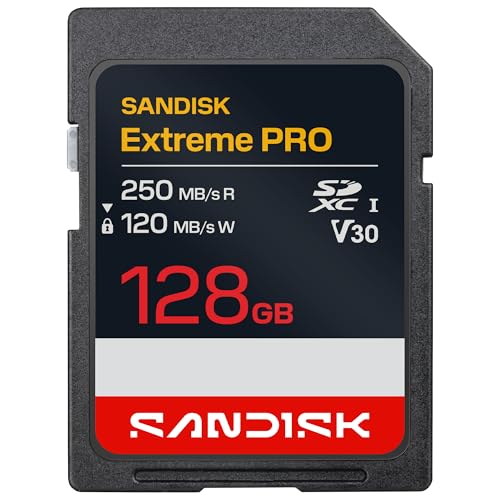
- 128GB capacity for routine shooting
- U3/V30 ratings support 4K UHD video
- Up to 250MB/s read and 120MB/s write
Best For: Everyday stills and 4K shooting with a UHS-I camera
Best High-Speed SD Bundle – Lexar Professional 1667x 128GB 2-Pack
For photographers who need fast, dependable memory cards for photographers, this Lexar 128GB 2-pack combines UHS-II performance with V60 video support. It is designed for high-resolution photography, 4K recording, and quicker transfers to a computer.
Best For: Professional photographers and videographers using compatible UHS-II cameras who want two cards for active shooting and backup.
Pros:
- Up to 250MB/s read speed for faster file transfers
- UHS-II, U3, and V60 ratings support burst photography and 4K video
- Two-card bundle with backward compatibility for UHS-I devices
- Limited lifetime warranty and temperature-proof design
Cons:
- UHS-II speeds require a compatible camera and reader
- 128GB capacity may be limiting for extended high-resolution shoots
This is a strong choice when workflow speed matters and you want a spare card included. Its fastest performance depends on compatible UHS-II hardware, but it remains usable in UHS-I devices.
Best for 8K and Pro Cameras – Lexar CFexpress Type B Silver 128GB
This Lexar CFexpress card is built for demanding memory cards for photographers workflows, offering very high read and write speeds for professional stills and 8K video. Confirm that your camera accepts CFexpress Type B before buying.
Best For: Photographers and videographers with compatible professional cameras who need fast capture and transfer performance.
Pros:
- Up to 1750MB/s read and 1300MB/s write speeds
- Designed for high-quality images and 8K video
- Backwards-compatible with select XQD cameras
- Includes a limited 10-year warranty
Cons:
- Compatibility is limited to CFexpress Type B or select XQD devices
- Single 128GB card provides less capacity than larger options
For supported cameras, this card offers substantially faster performance than conventional SD media. It is best suited to professionals whose equipment and shooting formats justify CFexpress speeds.
Best High-Capacity UHS-I Card – SanDisk Extreme PRO 256GB
The SanDisk Extreme PRO 256GB is a practical option among memory cards for photographers who use UHS-I cameras and want generous capacity for 4K video or sequential burst shooting. Its QuickFlow read speed can help shorten offload times with compatible equipment.
Best For: DSLR and mirrorless photographers who need a high-capacity UHS-I card for burst photography and 4K UHD video.
Pros:
- 256GB capacity suits longer shoots
- Up to 200MB/s read and 140MB/s write speeds under stated conditions
- U3 and V30 ratings support 4K UHD recording
- Water-, temperature-, and X-ray-proof construction
Cons:
- Maximum QuickFlow speed requires compatible devices and reader
- UHS-I performance is below the speeds of UHS-II and CFexpress cards
This card balances capacity and performance for mainstream professional photography. It is especially appealing when your camera uses UHS-I and you want fewer card changes during a shoot.
Best Value Two-Pack – PNY Elite-X 128GB SDXC 2-Pack
For enthusiasts looking for affordable memory cards for photographers, the PNY Elite-X 2-pack offers two 128GB SDXC cards with U3 and V30 ratings. It is suitable for everyday DSLR, point-and-shoot, and compatible video-camera use.
Best For: Photography and videography enthusiasts who want two capable cards for burst shooting, 4K UHD recording, and transfers between devices.
Pros:
- Two 128GB cards provide useful capacity and flexibility
- Up to 100MB/s read speed
- U3 and V30 ratings support burst photography and 4K UHD video
- Magnet-, shock-, temperature-, and waterproof design
Cons:
- Slower than the listed UHS-II and CFexpress alternatives
- Actual performance depends on the host device and use conditions
This is a sensible bundle for photographers who want a spare card without moving to a higher-cost professional format. Its broad camera compatibility makes it a convenient everyday option, provided your device uses SDXC media.
Best Value Protection – GIGASTONE 128GB V30 SD Card
For photographers seeking practical memory cards for photographers, the GIGASTONE 128GB SDXC card offers ample capacity for photo sessions and 4K UHD video. Its V30 rating, full-size SD design, protective construction, included mini case, and five-year limited warranty make it a sensible everyday option.
Best For: Photographers who want 128GB of storage, 4K compatibility, and extra protection at a practical price.
Pros:
- 128GB capacity for extended shooting sessions
- Supports 4K UHD video with UHS-I, U3, V30, and Class 10 ratings
- Waterproof, temperature-proof, shock-proof, magnetic-proof, and X-ray-proof design
- Includes a mini case and five-year limited warranty
Cons:
- Listed read speed is up to 100MB/s, slower than the other options here
- Full-size SD format is not a microSD card
The GIGASTONE is a well-rounded choice when capacity, durability, and basic 4K performance matter more than maximum transfer speed.
Best for Fast UHS-I Workflows – SanDisk Extreme PRO 64GB
SANDISK 64GB Extreme PRO SDXC UHS-I Memory Card - C10, U3, V30, 4K UHD, SD Card - SDSDXXU-064G-GN4IN
Check Price On AmazonThe SanDisk Extreme PRO is a strong pick among memory cards for photographers who regularly shoot burst sequences or 4K UHD video. It combines up to 90MB/s write speed with up to 200MB/s read speed when paired with compatible hardware and SanDisk QuickFlow technology.
Best For: Photographers who need fast burst shooting and quicker file offloading from a compatible UHS-I setup.
Pros:
- Up to 90MB/s write speed for smooth 4K UHD capture and sequential bursts
- Up to 200MB/s read speed with compatible devices and reader technology
- U3 and V30 ratings support 4K UHD recording on enabled host devices
- Waterproof, temperature-proof, shockproof, and X-ray-proof construction
Cons:
- 64GB capacity is lower than the 128GB alternatives
- Maximum read speed requires compatible equipment
Choose this card for a speed-focused UHS-I workflow, especially if your camera and reader can take advantage of its stated performance.
Best Professional Performance – Lexar 128GB SILVER PRO
For demanding memory cards for photographers, the Lexar SILVER PRO pairs 128GB of capacity with UHS-II performance. Its up to 280MB/s read and 120MB/s write speeds are designed to shorten transfers and support high-resolution 4K and Full HD recording.
Best For: Professional photographers and videographers who use compatible UHS-II cameras, readers, and editing workflows.
Pros:
- Up to 280MB/s read and 120MB/s write speeds
- V60 rating supports high-resolution 4K and 1080p recording
- 128GB capacity suits extended photo and video sessions
- Lifetime limited warranty and access to the Lexar Recovery Tool
Cons:
- Its fastest performance depends on UHS-II-compatible equipment
- Higher-end specifications may be unnecessary for basic camera use
The Lexar is the performance leader of this group, making it the most suitable option when rapid transfers and sustained video capture justify a UHS-II card.
High-Capacity Speed Pick – SanDisk Extreme PRO 256GB SD
For photographers seeking memory cards for photographers that can handle high-resolution stills and 4K UHD video, this 256GB SanDisk Extreme PRO SDXC card combines substantial capacity with fast UHS-I performance. Its V30 and U3 ratings support demanding capture workflows, while the listed rugged protection helps it withstand everyday field use.
Best For: Photographers who want ample storage for extended shoots and fast transfers from a UHS-I SD camera.
Pros:
- 256GB capacity provides room for longer shooting sessions.
- Rated for 4K UHD and Full HD video with U3 and V30 classifications.
- Read speeds up to 250MB/s and write speeds up to 170MB/s are listed for this capacity.
- Designed to resist water, dust, temperature extremes, wear, and X-rays.
Cons:
- Uses UHS-I rather than the faster UHS-II interface.
- Actual performance depends on the camera, reader, and host device.
This is a strong all-purpose option when capacity matters as much as speed. It is particularly appealing for photographers who shoot a mix of stills and 4K video and prefer fewer card changes during a session.
Professional Workflow Pick – Lexar Professional 1667x 128GB SD
This Lexar Professional 1667x is one of the memory cards for photographers built around UHS-II performance. With a V60 rating, 128GB capacity, and read speeds up to 250MB/s, it suits photographers and videographers who prioritize quick transfers and sustained capture for compatible equipment.
Best For: Professionals and enthusiasts using UHS-II cameras who want faster file transfers and V60-rated video support.
Pros:
- UHS-II interface and read speeds up to 250MB/s support efficient workflows.
- V60 and U3 ratings are suited to Full HD and 4K video capture.
- 128GB capacity helps reduce the need to swap cards during a shoot.
- Backwards compatible with UHS-I devices and backed by limited-lifetime support.
Cons:
- Its UHS-II advantages require a compatible camera or reader.
- 128GB offers less storage than higher-capacity alternatives.
The Lexar stands out for photographers who regularly move large image and video files to a computer. Choose it when your gear supports UHS-II and faster workflow is more important than maximizing capacity.
Balanced Everyday Pick – SanDisk Extreme PRO 128GB SD
For photographers looking for practical memory cards for photographers, this 128GB SanDisk Extreme PRO SDXC card offers fast listed read performance, U3/V30 video ratings, and broad camera compatibility. Its smaller capacity keeps it suited to everyday shooting, while the protective design is useful for regular travel and field work.
Best For: Everyday photographers who need a dependable 128GB card for high-resolution stills and 4K UHD video.
Pros:
- 128GB capacity balances useful storage with a manageable card size.
- U3 and V30 classifications support 4K UHD and Full HD video.
- Read speeds are listed up to 250MB/s, with write speeds listed up to 120MB/s for this model.
- Engineered for resistance to water, dust, temperature extremes, wear, and X-rays.
Cons:
- UHS-I performance is less advanced than a UHS-II card.
- Capacity may be limiting for extended 4K recording or high-volume bursts.
This card is a sensible middle ground for photographers who want strong everyday performance without stepping up to a professional UHS-II model. It works well as a primary card for routine shoots or as a spare for longer sessions.
How We Picked the Best Memory Cards for Photographers
We focused on cards that match common photography and video requirements, including UHS-I, UHS-II, and CFexpress Type B formats. The selection considers advertised read and write speeds, speed-class ratings, capacity options, burst-photo performance, video support, and overall practicality for different cameras and budgets.
Advertised maximum speeds are measured under ideal conditions and usually require a compatible card reader. Your camera may record more slowly, especially when its card slot supports only UHS-I or a lower video-speed class.
Quick Comparison
- Best for fast professional photo workflows: Lexar Professional 1667x or Lexar Silver Pro UHS-II cards.
- Best for compatible UHS-I cameras: SanDisk Extreme PRO and Lexar Professional options.
- Best for 8K and high-bitrate video: Lexar CFexpress Type B Silver 2.0.
- Best for affordable capacity: PNY Elite-X, GIGASTONE, and SanDisk 64GB options.
- Best for travel and extended shoots: 256GB SanDisk cards, provided your camera supports that capacity.
Key Buying Factors for Memory Cards for Photographers
Format and Camera Compatibility
Check your camera manual before buying. SDXC cards are common in interchangeable-lens cameras, while CFexpress Type B cards are used by select professional bodies. A UHS-II card can work in many UHS-I slots, but it will normally operate at the slower interface speed.
Write Speed and Speed Class
Write speed matters more than headline read speed when shooting RAW bursts or recording video. U3 and V30 cards are suitable for many 4K workflows; V60 cards provide more sustained write headroom. High-end 8K recording may require CFexpress or another format specified by your camera.
Capacity and File Management
Choose capacity based on file size, shooting duration, and how often you can offload images. A 128GB card is a flexible starting point, while 256GB makes sense for long trips or video. Using multiple smaller cards can reduce the impact of a lost or damaged card.
Readers, Reliability, and Backups
To benefit from UHS-II or CFexpress speeds, use a matching reader and a fast computer connection. Buy from a reputable seller, format the card in your camera, and back up files as soon as practical. No memory card should be your only copy of important images.
Who Should Buy Which Memory Cards for Photographers?
Wedding, event, and sports photographers should prioritize fast sustained write performance and may benefit from UHS-II V60 cards or CFexpress when supported. Travel and enthusiast photographers can usually choose a dependable UHS-I U3/V30 card with 128GB or 256GB capacity. Hybrid shooters recording demanding video should match the card’s V-rating or CFexpress specification to the camera’s recording modes. Occasional photographers can save money with a smaller UHS-I card, provided its capacity and speed class meet their camera’s requirements.