Choosing a microscope can be confusing when the specs look similar but the viewing experience is very different. This roundup narrows the field to dependable, hobby-friendly options that balance image quality, ease of use, and value.
Whether you want a starter scope for kids, a stronger model for students, or a better all-around setup for home STEM projects, these picks are designed to help you buy with confidence.
Best 10 Compound Microscopes for Hobbyists Picks for 2026
Starter Biology Kit
PalliPartners 100X-2000X Compound Microscope

- 100X-2000X magnification with 4X/10X/40X objectives
- Includes prepared slides, blank slides, phone clip, and remote
- Top and bottom LED lighting for multiple specimen types
Best For: Hobbyists and beginners wanting a complete all-in-one kit
Beginner STEM Pick
Emarth 40X-1000X Compound Microscope Kit
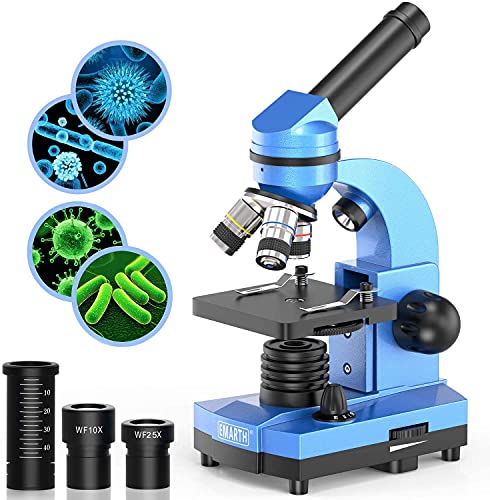
- 40X-1000X magnification for beginner biology viewing
- 52-piece kit includes slides and lab tools
- Dual LED lighting and metal frame for stability
Best For: Kids, students, and hobbyists starting out with microscopy
High-Magnification White Model
Woehrsh Compound Microscope with WF10x/WF25x Eyepieces

- 40X-2500X range with WF10x and WF25x eyepieces
- Dual LED lighting and 6-hole diaphragm for contrast control
- Accessory bundle includes slides, tools, phone holder, and bag
Best For: Hobbyists who want higher magnification and more included accessories
Trinocular Upgrade
PalliPartners 40X-2000X Biological Trinocular Microscope

- 40X-2000X magnification for hobby and basic biology use
- Trinocular head supports camera or imaging attachment
- Dual LED lighting with coarse and fine focus knobs
Best For: Hobbyists who want camera-ready observations and sharing
Lab-Grade Starter Pick
40X-2500X Compound Microscope with Phone Holder

- 40X-2500X magnification with WF25X/10X eyepieces
- Dual LED lighting for slides and opaque objects
- Includes phone holder, slides, and basic tools
Best For: Hobbyists and students who want a versatile beginner scope
Dual-View Learning Pick
Binocular Microscope Kit with 2000X Zoom

- 100X-2000X range with binocular viewing
- Dual LED lighting for translucent and opaque samples
- Includes slides, dissecting tools, and phone capture accessories
Best For: Teens and hobbyists who want a feature-packed kit
Comfort Viewing Pick
Binocular Compound Microscope with Dual LED Stage

- Binocular eyepieces designed for more comfortable viewing
- Dual LED lighting and a two-layer mechanical stage
- Coarse/fine focus plus wide-angle optics
Best For: Hobbyists who prefer a more comfortable binocular scope
All-in-One STEM Lab Pick
M2 Dual Power Supply Compound Monocular Microscope
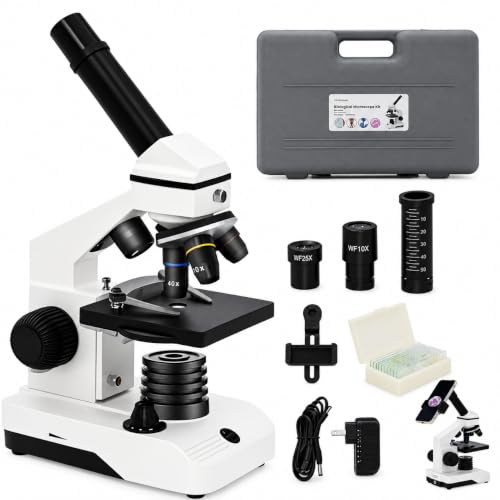
- 40X–2000X magnification with glass optics
- Includes slides, samples, tools, and carry case
- Smartphone adapter for photos and video
Best For: Hobbyists and students wanting a complete starter lab kit
Budget-Friendly Learning Choice
Compound Microscope Profesional 40x-1000x

- 40X–1000X magnification with WF10x/WF25x eyepieces
- Coaxial coarse and fine focus for precise adjustment
- Abbe spotlight, cursor caliper, and phone holder
Best For: Beginners and hobbyists who want simple, useful lab features
Best-Equipped Binocular Pick
OMAX 40X-2000X Lab LED Microscope
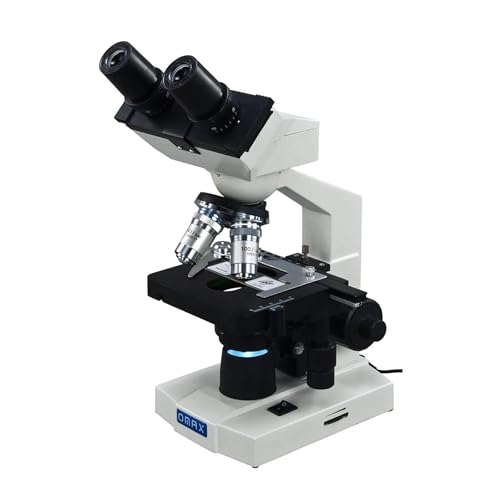
- Binocular head with adjustable comfort settings
- Double-layer mechanical stage and Abbe condenser
- Includes 100 slides, 100 cover slips, and cleaning paper
Best For: Serious hobbyists wanting a more advanced, lab-style microscope
Starter Biology Kit – PalliPartners 100X-2000X Compound Microscope
If you want compound microscopes for hobbyists that feel more like a real science kit than a toy, this PalliPartners model is a strong place to start. It combines 100X to 2000X magnification, dual LED lighting, and a bundled slide set, making it practical for home biology viewing, student projects, and beginner lab-style observation.
Best For: Hobbyists, students, and families who want an all-in-one beginner compound microscope with slides and phone capture support.
Pros:
- 100X to 2000X magnification with 4X, 10X, 40X objectives plus WF25X eyepiece and 2X lens
- Includes 10 prepared slides, 18 blank slides, phone clip adapter, Bluetooth remote, and power adapter
- Top and bottom LED illumination helps with opaque and translucent specimens
- SGS certified and positioned for home, classroom, and hobby use
Cons:
- Battery powered design may not suit everyone for long stationary sessions
- Best for entry to intermediate use rather than advanced research work
- Bulkier than very simple starter microscopes at 1.65 kg
This is a solid buy if you want a complete microscope kit that can support early microscopy skills without needing many extra accessories. The included slides and phone adapter make it especially convenient for hobbyists who want to observe, document, and share what they find.
Beginner STEM Pick – Emarth 40X-1000X Compound Microscope Kit
Among compound microscopes for hobbyists, this Emarth kit stands out for being straightforward and classroom-friendly. It offers 40X to 1000X magnification, LED illumination, and a 52-piece educational set, so beginners can start experimenting right away with a more hands-on setup.
Best For: Kids, student beginners, and adult hobbyists who want a practical entry-level microscope with a generous accessory kit.
Pros:
- 40X to 1000X magnification covers the basics for beginner biology viewing
- 52-piece kit supports hands-on learning with prepared slides, blank slides, and tools
- Top and bottom LED illumination improves viewing of both opaque and translucent samples
- Metal frame and smooth focus system add stability for new users
Cons:
- Batteries are not included for the LED lighting
- Maximum magnification is lower than some higher-powered hobby models
- Best suited to beginner and school-level use rather than advanced microscopy
This is a sensible pick if your priority is learning the basics without overcomplicating the purchase. The included kit and dual lighting make it especially useful for families, homeschoolers, and hobbyists who want a simple, real microscope setup.
High-Magnification White Model – Woehrsh Compound Microscope with WF10x/WF25x Eyepieces
If you need compound microscopes for hobbyists with a little more flexibility, this Woehrsh model adds extra viewing options through WF10x and WF25x eyepieces. With 40X to 2500X settings, dual illumination, and a full gift-style accessory package, it is built for users who want broader experimentation at home or in school.
Best For: Hobbyists, students, and adult beginners who want higher magnification options and a more complete accessory bundle.
Pros:
- 40X to 2500X magnification offers wide range for different sample types
- WF10x and WF25x eyepieces provide multiple viewing combinations
- Top and bottom LED illumination plus 6-hole diaphragm help with contrast control
- Includes slides, coverslips, tools, phone holder, charger, and protective bag
Cons:
- Higher magnification does not automatically replace higher-end lab optics
- Requires electric power or a second power option depending on use
- Larger and heavier than some simpler beginner microscopes
This model makes sense if you want a more versatile starter scope with a bigger accessory list and a broader magnification range. It is a strong fit for hobbyists who expect to experiment with different specimen types and want extra viewing flexibility.
Trinocular Upgrade – PalliPartners 40X-2000X Biological Trinocular Microscope
For hobbyists who want a step up from basic compound microscopes, this PalliPartners trinocular model adds camera-ready flexibility without losing the beginner-friendly layout. Its 40X to 2000X magnification, dual LED illumination, and 5MP capture support make it useful for documenting observations at home or in a learning setting.
Best For: Adult hobbyists, home learners, and users who want to photograph or share microscope observations.
Pros:
- 40X to 2000X magnification suits everyday specimen inspection and basic biology work
- Trinocular head supports camera or imaging device attachment
- Dual LED lighting and double-layer stage improve specimen handling and visibility
- Coarse and fine focus knobs help with precise clarity adjustments
Cons:
- More specialized than a simple starter microscope
- Best value if you actually plan to use the imaging capability
- Metal construction and trinocular design may feel less portable than basic models
This is the most practical choice here if you want to record what you see instead of just viewing slides. The trinocular design and included 5MP camera support make it especially appealing for hobbyists who enjoy sharing results or building a personal observation archive.
Lab-Grade Starter Pick – 40X-2500X Compound Microscope with Phone Holder
If you’re shopping for compound microscopes for hobbyists, this model is a strong all-around starter because it pairs high magnification with a practical dual-LED lighting system. The 40X-2500X range, coarse/fine focus controls, and included slide accessories make it easier to move from basic viewing to more detailed specimen work without adding extra gear right away.
Best For: Hobbyists, students, and home learners who want a feature-rich beginner compound microscope with phone capture support.
Pros:
- 40X-2500X magnification with WF25X/10X eyepieces and 4X/10X/100X objectives.
- Dual LED illumination works for both translucent slides and opaque objects.
- Coarse/fine focusing helps dial in sharper detail more easily.
- Includes a phone holder plus specimen slides and basic tools.
Cons:
- Best suited to beginner and home use rather than advanced lab workflows.
- High top-end magnification depends on careful slide prep and focus.
This is a practical pick if you want one microscope that can handle a wide range of entry-level observations and comes with helpful accessories out of the box.
Dual-View Learning Pick – Binocular Microscope Kit with 2000X Zoom
For hobbyists who want a more complete compound microscope setup, this binocular model stands out for its 100X-2000X range and bundled accessories. The dual top-and-bottom LED lighting, coarse and fine focus knobs, and included slide set make it a solid choice for inspecting biological specimens and also viewing some opaque items with more flexibility.
Best For: Teens, homeschoolers, and hobbyists who want a binocular microscope kit with plenty of accessories.
Pros:
- 100X-2000X magnification with 4X, 10X, and 40X objectives plus a WF25X eyepiece and 2X Barlow lens.
- Dual LED illumination supports translucent samples and opaque objects.
- Large accessory bundle includes prepared slides, blank slides, and dissecting tools.
- Phone clip adapter and Bluetooth remote add easy image capture options.
Cons:
- Plastic enclosure may feel less premium than metal-bodied alternatives.
- Best results still depend on patient focusing and prepared samples.
This kit is a good value if you want a binocular compound microscope that feels more complete than a bare-bones student model and comes ready for hands-on exploration.
Comfort Viewing Pick – Binocular Compound Microscope with Dual LED Stage
If you’re comparing compound microscopes for hobbyists and care most about comfortable viewing, this binocular design is worth a look. It combines WF10x and WF25x eyepieces, dual LED lighting, and a two-layer mechanical stage to make routine specimen viewing easier for beginners, students, and amateur science users.
Best For: Hobbyists and beginners who want a binocular microscope with a larger field of view and adjustable stage control.
Pros:
- Binocular setup with wide-angle eyepieces for clearer, less tiring viewing.
- Dual top and bottom LED lights help with a variety of specimens.
- Coaxial coarse/fine focusing makes image adjustment straightforward.
- Two-layer mechanical stage adds better specimen positioning control.
Cons:
- The listing notes 40X-2500X capability, but the product details list 40X maximum, so specs should be checked carefully.
- Accessory bundle is less clearly defined than some competing kits.
Overall, this is a sensible pick if you want a comfortable binocular body and a more traditional compound microscope layout for home observation and beginner study.
All-in-One STEM Lab Pick – M2 Dual Power Supply Compound Monocular Microscope
If you want compound microscopes for hobbyists that feel ready to use right out of the box, this M2 model is built for hands-on exploration. Its 40X–2000X range, glass optics, and included sample materials make it easy to start viewing cells, crystals, insects, and other specimens without assembling a separate starter kit.
Best For: Hobbyists, students, and home-lab beginners who want a complete microscope kit with accessories and carrying storage.
Pros:
- 40X–2000X magnification with 10x and 25x eyepieces plus 4x/10x/40x objectives and a 2X lens.
- Includes prepared and blank slides, tweezers, dropper, cleaning tissues, and extra samples like yeast and brine-shrimp eggs.
- Smartphone adapter makes it simple to capture and share photos or video.
- All-metal frame and hard-shell carry case add durability and portability.
Cons:
- Monocular design is less flexible than binocular models for longer viewing sessions.
- Higher magnification is available, but the product notes do not describe advanced condenser or stage controls.
Overall, this is a strong all-in-one pick for hobbyists who want a microscope kit with useful extras and a rugged build. It balances beginner-friendly setup with enough magnification to keep exploring as your skills grow.
Budget-Friendly Learning Choice – Compound Microscope Profesional 40x-1000x
This compound microscope for hobbyists focuses on the essentials: useful magnification, straightforward controls, and a few practical extras for learning. With WF10x and WF25x eyepieces, 4x/10x/40x objectives, and LED illumination, it gives beginners a solid platform for viewing slides, cells, and other small specimens.
Best For: Beginners, students, and hobbyists who want a simple microscope with helpful viewing and focusing features.
Pros:
- 40X–1000X magnification covers a wide range of basic specimen viewing.
- Coaxial coarse/fine focus knob with 0.1mm accuracy supports precise adjustments.
- Abbe spotlight and mechanical stage with cursor caliper help keep samples easy to track.
- Phone holder and included accessories add convenience for classroom or home use.
Cons:
- Max magnification is lower than some other hobby microscopes in this roundup.
- It is a monocular design, so it may feel less comfortable for extended viewing than binocular options.
This model is a practical choice if you want a straightforward microscope that still includes some lab-style features. It should suit casual observation, school projects, and early microscopy hobby work well.
Best-Equipped Binocular Pick – OMAX 40X-2000X Lab LED Microscope
Among compound microscopes for hobbyists, this OMAX model stands out for its more advanced setup. The binocular head, double-layer mechanical stage, Abbe condenser, and 40X–2000X magnification make it a stronger fit when you want smoother control and more lab-like specimen handling.
Best For: Hobbyists and serious learners who want a more complete, research-style microscope with binocular viewing.
Pros:
- 40X–2000X total magnification with WF10X and WF20X eyepieces.
- Binocular head, adjustable interpupillary distance, and diopter controls improve comfort.
- Double-layer X-Y mechanical stage and Abbe condenser give more precise slide movement and lighting control.
- Includes 100 blank slides, 100 cover slips, and lens cleaning paper.
Cons:
- Bulkier and heavier than simpler beginner microscopes.
- The feature set may be more than a casual user needs for occasional viewing.
If you want a more capable hobby microscope with stronger mechanical features, this OMAX is the most fully equipped option here. It offers a better platform for longer sessions and more detailed slide work.
How We Picked These Compound Microscopes for Hobbyists
We focused on models that make sense for real-world home use: clear glass optics, useful magnification ranges, stable mechanical stages, simple focusing controls, and lighting that works well on prepared slides and basic specimens. We also favored microscopes that include practical extras such as eyepieces, slide kits, or dual lighting, since those features improve value for beginners.
Quick Comparison: What Matters Most
For Compound Microscopes for Hobbyists, the most important differences usually come down to viewing comfort and versatility. Binocular models are often easier for longer sessions, while trinocular designs are better if you may add a camera later. Monocular microscopes can be a smart budget choice for kids or casual use. Higher magnification sounds appealing, but optical quality and stability matter more than the biggest number on the box.
Key Buying Factors for Compound Microscopes for Hobbyists
Optics and Eyepieces
Look for glass optics and sensible eyepiece options rather than chasing extreme magnification. A good 40X to 1000X range is enough for most hobby projects, and widefield eyepieces can make viewing more comfortable.
Lighting and Stage Control
Dual LED lighting is useful because it helps with both transparent and more reflective samples. A two-layer mechanical stage makes slide positioning easier and more precise, which is especially helpful when you are learning.
Build Quality and Ease of Use
A solid metal frame, smooth focus knobs, and a stable base reduce frustration. If multiple users will share the microscope, prioritize durability and easy adjustments over extra accessories you may not use.
Included Accessories
Slide kits, prepared specimens, and educational tools can add real value for beginners. That said, accessories should be a bonus, not a substitute for decent optics and reliable mechanics.
Who Should Buy Which Compound Microscopes for Hobbyists?
If you are buying for a young beginner, a simpler microscope with included learning kits is usually the easiest place to start. Students and homeschooling families will often benefit most from a balanced 40X to 1000X or 2000X setup with strong lighting and a mechanical stage. More experienced users and hobbyists who want future expansion should look at binocular or trinocular models, especially if they plan to photograph specimens or spend longer sessions at the scope.
In short, the best choice depends on how often you will use it, who will use it, and whether you care more about portability, comfort, or room to grow.