A thermal imaging camera with recording makes it easier to document temperature issues, share findings, and compare changes over time. That matters whether you are checking insulation, electrical panels, HVAC performance, or hidden moisture problems.
In this roundup, we focused on practical recording options, image quality, portability, and platform compatibility so you can choose a model that fits the way you actually work.
Best 10 Thermal Imaging Camera with Recording Picks for 2026
Best for Recording & Analysis

- Records photos and video with 8GB storage
- Windows PC software for detailed thermal analysis
- Laser pointer, LED light, and alarms aid inspections
Best For: Technicians and DIYers who need a thermal camera for recording, documentation, and PC review.
Best Wireless Smartphone Option
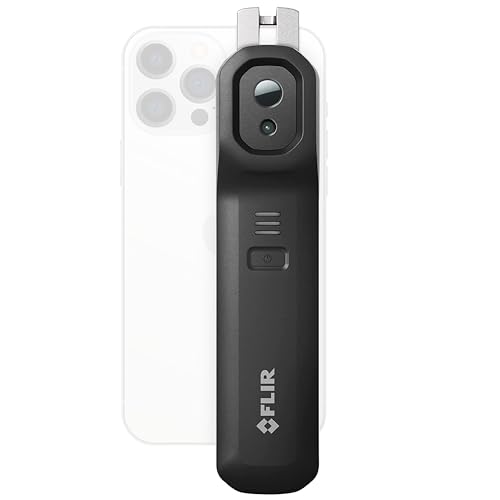
- Works wirelessly with iOS and Android
- 480x360 super resolution with MSX detail
- Rugged 2m drop-rated jobsite design
Best For: Technicians and DIY users who want a phone-connected thermal camera with cloud sharing.
Best for Compact Inspections
TOPDON TC004 Mini Thermal Camera

- TISR-enhanced 240x240 thermal output
- Auto photo capture with onboard storage
- 15-hour battery life and pocket-friendly size
Best For: Homeowners and technicians who need a portable thermal camera for quick diagnostics and documentation.
Best for Building Diagnostics

- MSX overlay improves image readability
- -25°C to 300°C measurement range
- Rugged IP54 housing for jobsite use
Best For: HVAC, electrical, and building inspection professionals who need a tough handheld thermal imager.
Best for USB-C Android Users
Flir One Pro USB-C Thermal Camera
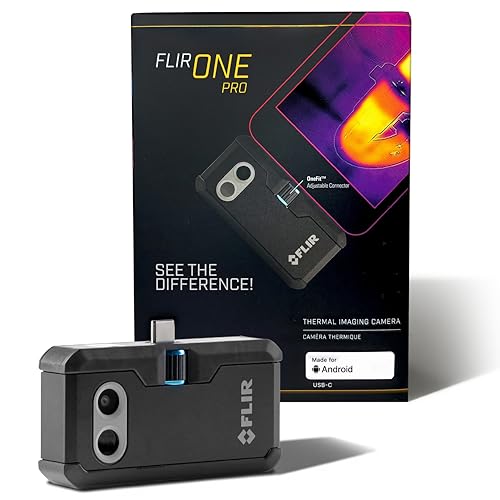
- USB-C plug-in design for compatible Android phones
- VividIR and MSX enhance thermal detail
- Rugged, jobsite-ready build with app-guided inspections
Best For: Android owners who want a compact thermal camera for inspections, troubleshooting, and quick documentation.
Best Wireless Bluetooth Option
Flir Edge Wireless Thermal Camera

- Wireless Bluetooth works with iOS and Android devices
- 240x180 super resolution with MSX image fusion
- IGNITE cloud support for easy sharing and organization
Best For: Technicians and DIYers who want a phone-connected thermal camera with rugged jobsite durability.
Best for iPhone Users
FLIR One Pro for Lightning iPhones

- Direct Lightning connection for iPhone 14 and older
- VividIR + MSX sharpen thermal detail for inspections
- Rugged build with guided app tools for troubleshooting
Best For: iPhone 14 and older users who need a compact thermal camera for home and jobsite diagnostics.
Best USB-C Add-On

- 240x180 super resolution from 80x60 native IR
- MSX and inspection guides improve readability
- USB-C Android compatibility with Samsung and Pixel
Best For: Android users who want a compact USB-C thermal camera for quick inspections and documentation.
Best for iPhone USB-C

- USB-C support for iPhone 15 and newer
- MSX plus 240x180 super resolution
- Includes inspection guides and case
Best For: iPhone 15+ owners needing a pocketable thermal camera for quick inspections.
Best for Recording & Analysis – FOXWELL RT280 Thermal Camera
If you need a practical thermal imaging camera with recording for inspections, the FOXWELL RT280 adds useful screen clarity, onboard storage, and PC analysis tools without feeling overly specialized. It is built for documenting temperature issues across electrical, HVAC, automotive, and home maintenance jobs.
Best For: Technicians, facility managers, and DIYers who want a handheld thermal camera that can capture photos and video, store findings, and review results on a Windows PC.
Pros:
- Records photos and video with 8GB eMMC storage for long inspection sessions
- Sharp 2.8-inch display with TISR upscaling for clearer thermal detail
- PC software supports point, line, area, and 2D/3D temperature analysis
- Laser pointer, LED light, and high/low alarms improve field use
Cons:
- PC analysis is Windows-only, so Mac users miss out
- Not the highest native resolution in its class
- Best suited for inspection work rather than advanced lab imaging
The RT280 is a smart pick if you want a thermal imaging camera with recording that balances portability, useful analysis features, and dependable storage for real-world troubleshooting. It is especially strong for buyers who need to document problems and review them later, not just spot heat signatures in the moment.
Best Wireless Smartphone Option – Flir Edge Pro for Phones
The Flir Edge Pro is a practical thermal imaging camera with recording for users who want a phone-friendly tool with better image detail than basic handheld clips. It connects wirelessly to iOS and Android devices, adds MSX visual overlay, and uses FLIR’s Vivid IR upscaling to help reveal more useful temperature patterns in the field.
Best For: Technicians, inspectors, and DIY users who want a wireless thermal camera that works with a smartphone or tablet and supports cloud sharing.
Pros:
- Wireless Bluetooth design works with all major iOS and Android devices
- 480×360 super resolution helps sharpen thermal images for easier spotting
- MSX blending adds visual detail to thermal scenes in real time
- Rugged build with a 2m drop rating for jobsite use
Cons:
- Depends on a phone or tablet for viewing and workflow
- Native 160×120 thermal resolution is modest without upscaling
- No standalone screen, so setup is less convenient than all-in-one cameras
If you want a compact thermal imaging camera with recording that stays connected to your mobile device and is easy to share through FLIR IGNITE Cloud, the Edge Pro is a strong field-friendly choice. It is especially appealing when image clarity, portability, and cross-platform compatibility matter more than having an integrated display.
Best for Compact Inspections – TOPDON TC004 Mini Thermal Camera
The TOPDON TC004 Mini is a practical thermal imaging camera with recording for users who want handheld inspection tools without carrying a full-size unit. It combines 128×128 IR capture with TISR-enhanced 240×240 clarity, 25Hz refresh, and onboard photo storage, making it a strong fit for everyday troubleshooting.
Best For: Homeowners, electricians, and maintenance techs who need a pocket-friendly thermal camera for leak checks, HVAC work, and quick electrical diagnostics.
Pros:
- TISR-enhanced 240×240 output gives clearer thermal detail than basic entry-level cameras
- Automatic photo capture and 512MB storage support up to 8,000 images for easy recordkeeping
- 15-hour battery life is excellent for long inspection days
- Compact, durable build with IP54 resistance and 2-meter drop protection
Cons:
- 128×128 native IR resolution is still modest compared with higher-end models
- No paper manual included, so setup may take a bit longer
- Charging cable is included, but you need your own charging head
This is a smart pick if you want a thermal imaging camera with recording that balances portability, useful alerts, and solid battery life over premium imaging specs. It’s especially appealing for routine diagnostics where quick documentation matters more than lab-grade detail.
Best for Building Diagnostics – FLIR TG165-X Thermal Camera
The FLIR TG165-X is a practical thermal imaging camera with recording-style inspection value for tradespeople who need clear, fast thermal reads without a steep learning curve. Its 80×60 IR sensor, MSX detail overlay, and built-in laser pointer make it easier to spot hot and cold spots on buildings, HVAC systems, and electrical panels.
Best For: HVAC techs, electricians, and building inspectors who want a rugged handheld thermal imager for quick diagnostics.
Pros:
- MSX imaging adds visible detail to help interpret thermal scenes more easily
- Wide temperature range from -25°C to 300°C covers most inspection jobs
- IP54-rated, drop-tested design is built for jobsite use
- Laser pointer helps target the measurement area quickly
Cons:
- 80×60 resolution is basic compared with higher-end thermal cameras
- No mention of video recording or advanced smart features
Overall, the TG165-X is a strong pick if you want a dependable thermal imaging camera with recording-adjacent inspection utility for everyday troubleshooting, but it is better suited to quick spot checks than detailed imaging work.
Best for USB-C Android Users – Flir One Pro USB-C Thermal Camera
If you want a practical thermal imaging camera with recording for field checks and home diagnostics, the Flir One Pro is a strong phone-based option. It plugs into USB-C Android devices, uses MSX and VividIR to sharpen the view, and gives you enough detail to spot air leaks, moisture, and hot spots without carrying a standalone imager.
Best For: Android users who want a compact, jobsite-ready thermal camera for inspections, troubleshooting, and quick documentation.
Pros:
- USB-C connection works with many Samsung Galaxy and Google Pixel phones
- VividIR and MSX improve clarity beyond the 160×120 native thermal sensor
- App-based inspection guides help with home, HVAC, and general fault finding
- Rugged design stands up better than many phone accessories
Cons:
- Requires a compatible Android phone to use
- Native resolution is modest compared with dedicated thermal cameras
- Recording and analysis depend on the FLIR app experience
The Flir One Pro makes sense if you need a portable thermal imaging camera with recording features tied to a phone workflow. It is not the highest-resolution option, but for inspections where convenience, portability, and quick capture matter, it delivers a useful balance of detail and durability.
Best Wireless Bluetooth Option – Flir Edge Wireless Thermal Camera
If you want a thermal imaging camera with recording-style workflow that keeps your hands free, the FLIR Edge is built around smartphone convenience. It pairs wirelessly with iOS and Android devices, boosts detail with 240×180 super resolution, and adds MSX fusion so hot spots are easier to interpret in real time.
Best For: Technicians, inspectors, and DIYers who want a compact thermal camera that works with a phone or tablet and is easy to share from the cloud.
Pros:
- Wireless Bluetooth connection works with both iOS and Android devices
- 240×180 super resolution with MSX for clearer thermal detail
- IGNITE cloud support makes uploading and sharing images simple
- Rugged 2-meter drop rating suits jobsite use
Cons:
- Uses a smartphone or tablet as the display, which adds dependency
- Native 80×60 IR resolution is modest without FLIR’s enhancement
Overall, the FLIR Edge is a practical pick if you value portability, wireless convenience, and cloud sharing over standalone-camera features. It is a smart fit for anyone shopping for a thermal imaging camera with recording-style image capture and easy mobile handling.
Best for iPhone Users – FLIR One Pro for Lightning iPhones
If you want a thermal imaging camera with recording-friendly mobile workflow, the FLIR One Pro is a practical pick for iPhones with a Lightning port. It attaches directly to your phone, boosts 160×120 native thermal data to 480×360 super resolution, and adds FLIR’s MSX detail overlay for easier spotting of leaks, hot spots, and moisture issues.
Best For: iPhone 14 and older users who want a rugged, app-based thermal camera for home inspections, HVAC checks, and general troubleshooting.
Pros:
- Works directly with Lightning-port iPhones for a simple plug-in setup
- VividIR and MSX improve image detail beyond native thermal resolution
- Includes guided inspection tools in the FLIR One app for common faults
- Compact, jobsite-tough design with a 1.5m drop rating
Cons:
- Only compatible with iPhone 14 and older Lightning models
- Native 160×120 resolution is modest without FLIR’s enhancement software
- Not the best fit if you need broad cross-platform phone support
Overall, this is a strong choice if you want a thermal imaging camera with recording-style mobile convenience on iPhone and value guided inspections more than standalone hardware features. It’s especially appealing for homeowners, technicians, and inspectors who want reliable thermal diagnostics in a portable package.
Best USB-C Add-On – Flir One USB-C Thermal Camera
The FLIR One is a practical choice if you want a thermal imaging camera with recording-style inspection workflows on an Android phone without carrying a separate handheld unit. It delivers 240×180 super resolution from an 80×60 native IR sensor, plus MSX image enhancement to make hot spots and edges easier to interpret during quick home, HVAC, or electrical checks.
Best For: Android users who want a compact USB-C thermal camera for routine inspections, documentation, and on-the-go troubleshooting.
Pros:
- USB-C design works with many Samsung and Pixel Android phones
- MSX and inspection guides help make thermal images easier to read
- Compact build includes a case and USB cable for portability
- 1.5m drop rating adds some jobsite durability
Cons:
- 80×60 native IR resolution is modest compared with higher-end thermal cameras
- Only works with compatible Android USB-C devices
- Not ideal if you need a fully standalone recorder with a built-in screen
This is a solid pick for buyers who want a phone-based thermal imaging camera with recording-friendly inspection use and easy portability. If your priority is fast, guided diagnostics from a device you already carry, the FLIR One hits a useful balance of convenience and capability.
Best for iPhone USB-C – Flir One for iPhone 15+
The Flir One is a practical thermal imaging camera with recording for iPhone 15 and newer users who want quick inspections from a phone they already carry. It pairs 80×60 native IR with FLIR’s MSX enhancement and 240×180 super resolution, making it a strong fit for spotting hot spots, insulation gaps, and leaks without a bulky standalone imager.
Best For: iPhone 15+ owners who want a compact USB-C thermal camera for home checks, electrical troubleshooting, and on-the-go inspections.
Pros:
- USB-C design made for iPhone 15 and newer models
- MSX and super resolution help make thermal details easier to interpret
- Includes inspection guides for more structured troubleshooting
- Compact build with 1.5m drop protection and included case
Cons:
- Only works with compatible iOS devices, not Android
- Native 80×60 IR resolution is modest for detailed professional work
- Not as versatile as full-size standalone thermal cameras
If you want a portable thermal imaging camera with recording that lives in your pocket, the Flir One is a smart iPhone-first option. Its phone-based design keeps setup simple while still delivering enough image enhancement and inspection tools for everyday diagnostic use.
Best Simple Pick – FLIR One Thermal Camera for iPhone
If you want a thermal imaging camera with recording for an iPhone that still feels practical in the field, the FLIR One is a strong fit. It plugs directly into iPhones with a Lightning port and adds 240×180 Super Resolution processing, MSX image blending, and built-in inspection tools for quick diagnostics on the go.
Best For: iPhone owners who need a compact thermal camera for home inspections, HVAC checks, and everyday troubleshooting.
Pros:
- Works with iPhone 14 and older Lightning models
- Compact design with case and USB cable included
- MSX and inspection guides make images easier to interpret
- 1.5m drop rating adds useful jobsite durability
Cons:
- Not compatible with USB-C iPhone models
- 80×60 native IR resolution is modest without software enhancement
Overall, this is a convenient thermal imaging camera with recording for Apple users who want a simple plug-in tool rather than a bulky standalone unit. It’s especially appealing if you already rely on an older iPhone and need fast visual documentation for inspections.
How We Picked the Best Thermal Imaging Camera with Recording
We prioritized models that balance thermal resolution, recording convenience, battery life, and real-world usability. We also looked at whether each Thermal Imaging Camera with Recording is better suited to professional inspections, quick troubleshooting, or smartphone-based use.
Quick Comparison
Handheld cameras are generally better for field work, faster setup, and more consistent operation. Smartphone models are easier to carry and often cheaper, but they depend on device compatibility and can be less convenient if you need dedicated controls. For buyers who want to capture evidence on the spot, the best choice is the one that records clearly and transfers files without hassle.
Key Buying Factors for a Thermal Imaging Camera with Recording
Thermal Resolution and Image Detail
Higher native resolution usually produces clearer outlines, easier target identification, and better inspection confidence. Super-resolution can help, but native sensor quality still matters most when you need usable recorded footage.
Recording Workflow
Check how recording is handled: onboard storage, app-based capture, export options, and how easy it is to review files later. A good Thermal Imaging Camera with Recording should make it simple to save stills or video without interrupting the inspection.
Compatibility and Connectivity
Smartphone models are convenient, but only if they match your phone’s port and operating system. Wireless models add flexibility, while standalone handheld units avoid compatibility concerns altogether.
Battery Life and Durability
For longer jobs, battery endurance can matter as much as resolution. A rugged body and simple controls are also important if you work in mechanical rooms, attics, or job sites.
Who Should Buy Which Thermal Imaging Camera with Recording?
Choose a handheld camera if you want dependable, all-in-one operation for building inspection, HVAC service, or electrical troubleshooting. Choose a smartphone-mounted model if portability and value matter more, especially for occasional use or light professional work. If you need frequent documentation, pick the option with the easiest recording and sharing workflow, not just the highest advertised resolution.
In short, the best model is the one that matches your device, delivers enough detail for your tasks, and makes it easy to save evidence the moment you find a problem.