A good thermal camera with temperature measurement helps you spot heat loss, overloaded circuits, moisture issues, and HVAC problems before they become expensive repairs.
Below, we’ve narrowed the field to 10 of the best options for professionals and hands-on homeowners, with choices for dedicated cameras and smartphone attachments.
Best 10 Thermal Camera with Temperature Measurement Picks for 2026
Best for Compact Reporting
FLIR C5 Compact Thermal Camera

- -20 to 400°C temperature range for broad inspection use
- MSX image enhancement improves readability
- WiFi and FLIR Ignite cloud make sharing easy
Best For: Technicians and inspectors who want a pocket-sized thermal camera for fast reporting.
Best for Accurate Spot Checks
Klein Tools TI250 Thermal Imager

- 19,200+ pixels for clearer hot/cold spotting
- Adjustable emissivity for better temperature accuracy
- High/low alarms and USB-C image storage
Best For: Technicians and DIY users who need a portable thermal imager for routine diagnostics.
Best for Building Diagnostics

- Measures -25°C to 300°C with thermal imaging
- MSX detail helps identify components and faults
- Rugged IP54 body suits HVAC and electrical work
Best For: Technicians and property inspectors who need a durable thermal imaging tool for quick fault-finding.
Best for Detailed Inspections
Klein Tools TI290 Thermal Camera

- 76,800+ pixels for sharper thermal detail
- High/low points quickly identify hot spots
- Wi‑Fi transfer simplifies sharing images
Best For: Technicians and advanced DIY users who need a rechargeable thermal imager for inspections and temperature checks.
Best USB-C Android Pick

- USB-C compatibility for many Samsung and Pixel phones
- 240x180 super resolution from an 80x60 native sensor
- FLIR app includes inspection guides for common issues
Best For: Android users who want a phone-mounted thermal imager for inspections and leak checks.
Best Budget Android Pick

- 32×32 thermal sensor for basic hotspot and leak detection
- Android Type-C connection with Google Play app support
- Ultra-light 10g design for quick daily inspections
Best For: Android users who want an affordable thermal camera for simple home, DIY, and safety checks.
Best for iPhone Users
Flir One Pro iPhone Thermal Camera

- Lightning-compatible thermal camera for iPhone 14 and older
- MSX and VividIR improve detail for easier troubleshooting
- Portable design with case, cable, and drop protection
Best For: iPhone users who want a compact thermal inspection tool for quick diagnostics.
Best for Detailed Inspection
FLIR C3-X Compact Thermal Camera
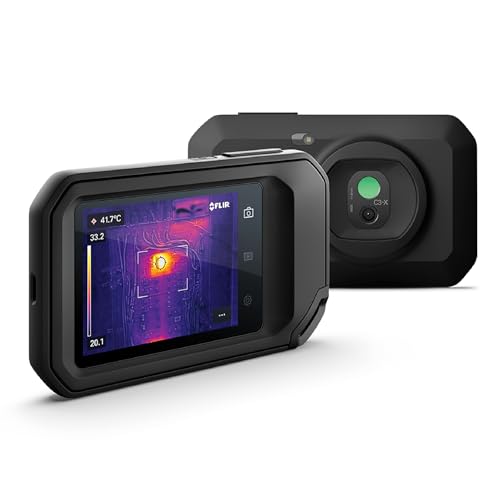
- Measures -20 to 300°C for broad inspection use
- MSX helps blend visual detail with thermal data
- WiFi and FLIR Ignite support easy sharing and reports
Best For: Technicians and inspectors who need a compact thermal camera for quick diagnostics and documentation.
Best for Android USB-C
Flir One Pro USB-C Thermal Camera
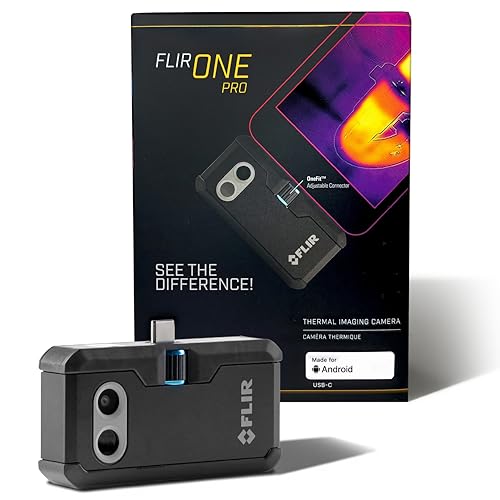
- USB-C Android compatibility
- VividIR and MSX enhance detail
- Jobsite-tough with inspection app guides
Best For: Android users who need a portable inspection tool for home diagnostics and light professional work.
Best for Compact Reporting – FLIR C5 Compact Thermal Camera
The FLIR C5 is a practical thermal camera with temperature measurement for users who need quick inspections without carrying a bulky device. Its 160 x 120 thermal resolution, MSX image enhancement, and -20 to 400°C range make it a strong fit for electrical, HVAC, mechanical, and building checks.
Best For: Technicians, inspectors, and maintenance pros who want a pocketable thermal camera that can measure temperatures and document findings quickly.
Pros:
- Measures temperatures from -20 to 400°C for a wide range of inspection tasks
- MSX enhancement helps make thermal images easier to interpret
- WiFi and FLIR Ignite cloud support faster sharing and reporting
- Compact, pocket-friendly design with included battery, charger, case, and LED flashlight
Cons:
- 160 x 120 thermal resolution is solid, but not as detailed as higher-end models
- May be more camera than casual DIY users need for simple spot checks
For buyers prioritizing portability and fast documentation, the C5 stands out as a dependable thermal camera with temperature measurement that balances ease of use, image clarity, and cloud-based workflow features.
Best for Accurate Spot Checks – Klein Tools TI250 Thermal Imager
If you need a thermal camera with temperature measurement for practical troubleshooting, the Klein Tools TI250 is built to spot hot and cold areas with useful detail. Its high pixel count, adjustable emissivity, and selectable color palettes make it a solid fit for electrical, HVAC, and maintenance checks.
Best For: Technicians and DIY users who want a portable thermal camera with adjustable temperature settings and clear spot detection.
Pros:
- Over 19,200 pixels for clearer thermal detail and faster problem spotting
- Adjustable emissivity helps improve temperature readings across different surfaces
- High/low temperature alarms add quick alerts for abnormal heat or cold
- Rechargeable battery and USB-C image storage make it convenient for field use
Cons:
- Not as advanced as higher-end thermal imagers for detailed inspection work
- May be more camera than casual users need for occasional home checks
Overall, the TI250 is a practical thermal camera with temperature measurement for users who want dependable spot-checking without jumping to a pro-level unit. It balances portability, alerting, and image capture features well for routine diagnostics.
Best for Building Diagnostics – FLIR TG165-X Thermal Camera
If you need a practical thermal camera with temperature measurement for everyday troubleshooting, the FLIR TG165-X is built for quick inspections in HVAC, electrical, and building maintenance work. It combines non-contact temperature reading with thermal imaging, so you can spot hot spots, leaks, and problem areas faster than with a basic IR thermometer.
Best For: Technicians and property pros who want a rugged, easy-to-use inspection camera for finding faults, air leaks, and overheating components.
Pros:
- Measures temperatures from -25°C to 300°C while showing thermal images on screen
- MSX enhancement adds visual detail, making components easier to identify
- Bullseye laser helps target the measurement area more accurately
- IP54-rated, drop-tested design is suited to jobsite use
Cons:
- 80×60 IR resolution is modest compared with higher-end thermal cameras
- 9Hz frame rate is adequate for inspections, but not the smoothest option
- Focused more on diagnostics than advanced imaging features
For buyers who want a dependable thermal camera with temperature measurement and straightforward workflow, the TG165-X hits a strong balance of durability, clarity, and speed. It’s especially appealing when you want to find the source of a problem quickly rather than just take a single spot reading.
Best for Detailed Inspections – Klein Tools TI290 Thermal Camera
The Klein Tools TI290 is a practical thermal camera with temperature measurement for users who want clear thermal imaging, useful spot readings, and easy sharing in the field. With over 76,800 pixels, Wi‑Fi data transfer, and selectable color palettes, it’s built for quick troubleshooting on electrical, HVAC, and maintenance jobs.
Best For: Technicians and serious DIY users who need a rechargeable thermal imager for inspections, documentation, and fast temperature checks.
Pros:
- Over 76,800 pixels for more detailed thermal images
- High/low temperature point detection helps spot hotspots fast
- Wi‑Fi transfer makes it easier to save and share job images
- Three palettes give you flexible viewing options
Cons:
- May be more camera than casual home users need
- No mention of advanced reporting software in the product title
Overall, this is a strong pick if you want a thermal camera with temperature measurement that balances image detail, portability, and practical diagnostic tools. It’s especially appealing when you need reliable inspection data without moving into full professional flagship pricing.
Best USB-C Android Pick – Flir One USB-C Thermal Camera
If you want a practical thermal camera with temperature measurement for a Samsung Galaxy or Google Pixel phone, the FLIR One is a strong mobile option. It plugs directly into USB-C Android devices, adds FLIR’s MSX detail overlay, and upsamples the image for easier spotting of hot and cold patterns during inspections.
Best For: Android users who want a phone-mounted thermal imager for home checks, HVAC troubleshooting, and moisture or air-leak detection.
Pros:
- USB-C connection works with many Android phones, including Samsung and Pixel models
- 240×180 super resolution helps reveal more detail than the native 80×60 sensor
- Step-by-step inspection guides make it easier to diagnose common issues
- Rated accuracy of ±3°C or ±5% in the stated operating range
Cons:
- Requires a compatible USB-C Android phone to use
- Native 80×60 IR resolution is modest without the upscaling features
- Best suited to inspection tasks, not high-end industrial thermography
Overall, this is a handy thermal camera with temperature measurement if you want portability and guided troubleshooting in one compact accessory. It’s especially appealing for homeowners and field techs who already rely on an Android phone and need quick thermal checks without carrying a separate camera.
Best Budget Android Pick – TIOP01 Type-C Thermal Camera
If you want a practical thermal camera with temperature measurement for quick home checks, the TIOP01 keeps things simple: plug it into an Android Type-C device, open the TinyThermalImager app, and start spotting heat loss, blocked pipes, or overheating components. Its 32×32 sensor is basic, but it is enough for fast everyday inspections when you care more about finding problems than viewing fine detail.
Best For: Android users who want an affordable, ultra-portable thermal camera for home inspection, DIY troubleshooting, and basic safety checks.
Pros:
- Very compact and lightweight for on-the-go inspections
- Useful for spotting drafts, insulation gaps, and cooling/heating issues
- Android Type-C plug-and-play setup with app support from Google Play
- Wide temperature range for basic high-heat and low-heat checks
Cons:
- 32×32 resolution is limited and won’t show fine detail
- Android-only, so it won’t work with iPhone or non-Type-C devices
- 5Hz refresh rate is fine for quick checks, but not for smooth tracking
For shoppers who need a low-cost thermal camera with temperature measurement, this is a straightforward entry point. It trades image clarity for portability and affordability, making it a good fit for basic fault-finding rather than professional inspection work.
Best for iPhone Users – Flir One Pro iPhone Thermal Camera
The FLIR One Pro is a practical thermal camera with temperature measurement for iPhone 14 and older Lightning devices, combining a native 160×120 IR sensor with FLIR’s MSX and VividIR processing for clearer detail. It’s a strong pick for homeowners, techs, and inspectors who want an easy plug-in option for spotting hot spots, leaks, and electrical issues without carrying a larger handheld imager.
Best For: iPhone owners who want a compact, app-based thermal camera for quick inspections and diagnostics.
Pros:
- Super Resolution output helps improve image clarity for easier troubleshooting
- MSX and VividIR make thermal outlines and scene details easier to interpret
- Compact Lightning design is convenient for fast checks on the go
- Includes a 1.8m drop rating plus protective case and USB cable
Cons:
- Only works with iPhone 14 and older models that have a Lightning port
- Native 160×120 thermal resolution is modest compared with higher-end units
- Depends on a smartphone app, so it’s less standalone than dedicated cameras
This thermal camera with temperature measurement is a smart fit if you want a portable, phone-based tool rather than a full-size inspector camera. It’s especially appealing for light professional use and DIY diagnostics where convenience matters as much as thermal data.
Best for Detailed Inspection – FLIR C3-X Compact Thermal Camera
If you want a reliable thermal camera with temperature measurement for inspections, the FLIR C3-X is a strong all-around option. It combines true thermal imaging, MSX enhancement, and WiFi/cloud tools in a compact handheld design that’s practical for electrical, mechanical, building, and HVAC checks.
Best For: Technicians and property inspectors who need a portable thermal camera for quick fault finding, documentation, and client-ready reporting.
Pros:
- Measures temperatures from -20 to 300°C for a wide range of inspection tasks
- MSX and 128 × 96 thermal resolution help make faults easier to spot and interpret
- FLIR Ignite cloud connectivity makes it easy to upload, organize, and share images
- Includes useful extras like a 5MP visual camera, LED flashlight, batteries, charger, and case
Cons:
- Resolution is good for compact inspections, but not as detailed as higher-end thermal models
- Designed more for diagnostics than advanced analysis workflows
For buyers comparing a thermal camera with temperature measurement, the C3-X stands out for its easy workflow, clear image blending, and cloud-based reporting. It’s a practical choice if you want fast inspections without carrying a bulkier professional unit.
Best for Android USB-C – Flir One Pro USB-C Thermal Camera
If you want a compact thermal camera with temperature measurement that plugs straight into your Android phone, the FLIR One Pro is a strong field-ready option. It combines native 160×120 thermal sensing with FLIR’s VividIR and MSX processing to make hotspots, leaks, and moisture issues easier to spot during inspections.
Best For: Android users who need a portable inspection tool for home diagnostics, jobsite checks, and light professional use.
Pros:
- USB-C connection works with many Samsung Galaxy and Google Pixel phones
- VividIR and MSX improve clarity beyond the native thermal resolution
- Jobsite-tough build with included case and USB cable
- Built-in app guidance helps with leak, moisture, and fault checks
Cons:
- Android USB-C only, so iPhone users need a different version
- Accuracy is solid for many tasks, but not as precise as high-end standalone cameras
- Native thermal resolution is modest without software enhancement
For buyers who need a practical thermal camera with temperature measurement on the go, the FLIR One Pro stands out for convenience and inspection-focused software more than raw sensor specs. It’s a smart fit if you want a phone-based thermal tool that’s easy to carry and quick to use on real-world projects.
Best Simple Pick – Flir One Thermal Camera for iPhone
If you want a thermal camera with temperature measurement that works directly with an iPhone, the FLIR One is a practical plug-in option for quick checks around the home or on the job. It combines FLIR’s 80×60 native IR sensor with super resolution and MSX image blending, making hot spots, drafts, and electrical issues easier to spot on a phone screen.
Best For: iPhone 14 and older owners who need a portable thermal camera for basic inspections, troubleshooting, and temperature checks.
Pros:
- Connects directly to iPhones with a Lightning port for fast setup
- 240×180 super resolution helps improve detail over the native IR image
- Includes inspection guides to support common home and maintenance checks
- Compact build with case and USB cable included
Cons:
- Only works with iPhone 14 and older Lightning models
- Native 80×60 resolution is modest without super resolution enhancement
- Not a standalone camera, so it depends on your phone battery and app
For buyers who already use an older iPhone, this is an easy way to add thermal camera with temperature measurement capabilities without carrying a separate device. It’s best for quick diagnostics and spot checks rather than advanced professional imaging.
How We Picked the Best Thermal Camera with Temperature Measurement
We focused on thermal cameras with temperature measurement that balance image quality, temperature range, portability, and ease of use. We also prioritized practical features like Wi-Fi transfer, clear display layouts, and tools that make inspection work faster in real-world conditions.
Quick Comparison
The biggest differences come down to form factor and capability. Dedicated handheld models are usually easier to use on job sites and better for frequent inspections. Smartphone-based options are more compact and affordable, while premium smartphone models can offer surprisingly strong thermal detail for occasional pro use.
Key Buying Factors for a Thermal Camera with Temperature Measurement
Temperature Range and Accuracy
Make sure the camera covers the temperatures you actually need to measure. HVAC, building diagnostics, and electrical work often need different ranges, so avoid paying for capability you will not use.
Resolution and Image Clarity
Higher thermal resolution generally makes it easier to identify small hot spots, insulation gaps, or failing components. If you inspect tight spaces or small electrical parts, image detail matters a lot.
Measurement Tools
Look for spot, center, high/low, or area temperature readouts if you need more than a general heat map. These features can save time when comparing surfaces or confirming abnormal readings.
Connectivity and Workflow
Wi-Fi, app support, and easy file transfer can be especially useful for documentation, reporting, and sharing findings. If you work on multiple job sites, a smoother workflow can matter as much as raw imaging specs.
Form Factor and Use Case
Choose a dedicated handheld camera for regular field work, and a smartphone attachment if you want something compact for occasional inspections. The best Thermal Camera with Temperature Measurement is the one that matches how often you will carry and use it.
Who Should Buy Which Thermal Camera with Temperature Measurement?
Contractors, electricians, HVAC techs, and serious inspectors will usually benefit most from dedicated handheld cameras with better ergonomics and more robust measurement tools. Homeowners and DIY users may prefer a smartphone model for occasional checks around the house, garage, or vehicle.
If you want the most practical balance, start with your main task: quick home diagnostics, routine professional inspections, or detailed troubleshooting. That will narrow the field faster than chasing the highest specs alone.