Choosing among telescope guide cameras for astrophotography means balancing sensitivity, sensor size, connection speed, and compatibility with your mount and imaging software.
This roundup includes compact guide cameras, electronic eyepieces, high-resolution imaging models, and cooled options so you can match the camera to your observing and imaging goals.
Best 10 Telescope Guide Cameras for Astrophotography Picks for 2026
Compact Autoguiding Pick

- 1.23MP color CMOS sensor
- ST4 and USB 2.0 connectivity
- Not compatible with ASI AIR
Best For: Compact autoguiding and planetary imaging
Wide-Field Guide Scope
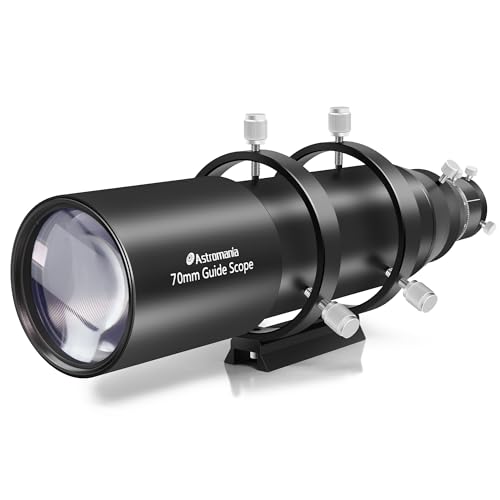
- 70mm aperture and 400mm focal length
- Helical focuser accepts 1.25-inch cameras
- Includes clamps and mounting plate
Best For: Versatile finder and autoguiding setups
High-Resolution Planetary Option

- 7.05MP IMX415 color sensor
- Up to 30FPS at 1080p
- 1.25-inch USB 3.0 camera
Best For: Lunar, planetary, and live-view imaging
Mini Guide Scope
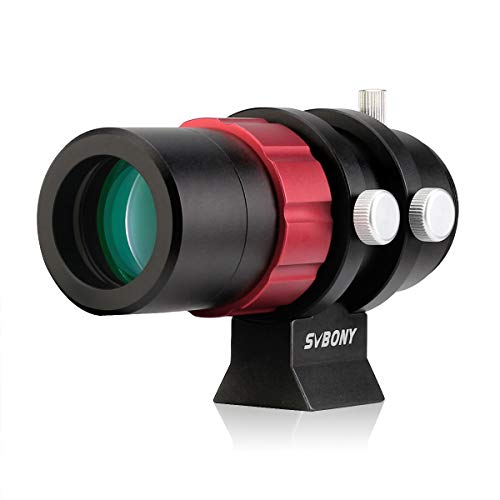
- 30mm aperture with 120mm focal length
- F4 wide-field optics
- 1.25-inch and M42 camera interfaces
Best For: Lightweight deep-sky guiding setups
Wireless 4K Viewing Pick

- 4K video with 8MP CMOS imaging
- Fits 23mm–60mm eyepieces
- Built-in screen, WiFi, and app control
Best For: Beginners seeking convenient wireless telescope viewing
Planetary Imaging Value

- 2.1MP IMX662 color sensor
- ROI, binning, and SharpCap modes
- 128MB buffer helps reduce lost frames
Best For: Entry-level lunar, planetary, and EAA imaging
Portable WiFi Starter
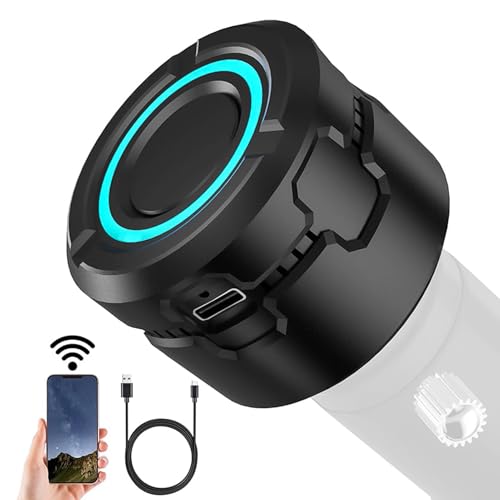
- 4K video in a compact 1.25-inch format
- WiFi viewing through phones or tablets
- 1600mAh rechargeable battery
Best For: Travel-friendly beginner telescope viewing
High-Speed Planetary Guide Camera

- 2MP IMX662 sensor with low readout noise
- 1920×1080 capture at up to 107FPS
- USB 3.0 and ST4 guiding interface
Best For: Fast planetary imaging and computer-based guiding
Cooled Deep-Sky Guide Camera
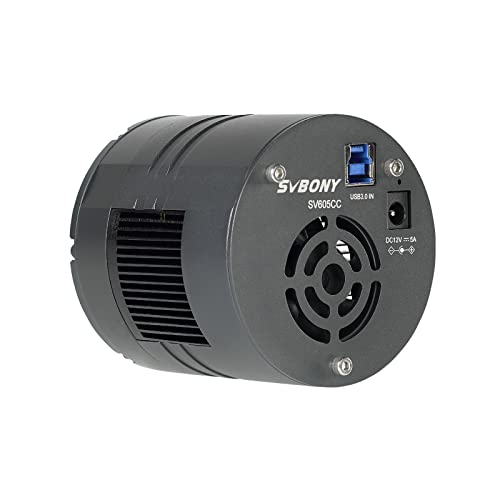
- 9MP IMX533 color sensor with square framing
- Double-layer TEC cooling to 30°C below ambient
- Designed for deep-sky and panoramic astronomy
Best For: Thermally managed deep-sky imaging
Beginner Telescope Guide Camera
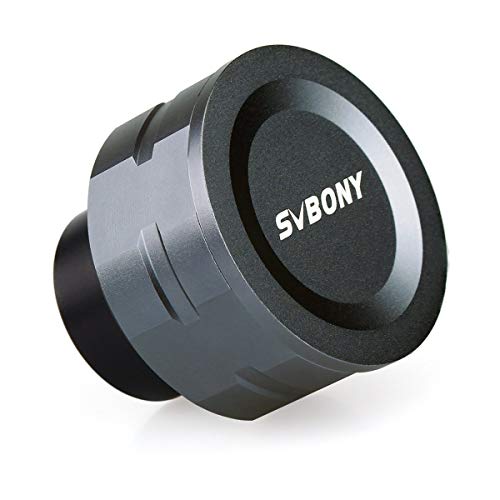
- 1.25-inch plug-and-play telescope format
- 1920×1080 capture at up to 30FPS
- IMX307 color sensor for lunar and planetary video
Best For: First-time astrophotographers and bright targets
Compact Autoguiding Pick – SV905C Guide Camera
The SVBONY SV905C is a compact option for shoppers comparing telescope guide cameras for astrophotography. Its 1.23MP color CMOS sensor, small 3.75-micron pixels, and stated 80% peak QE are designed to help capture faint guide stars for autoguiding or planetary imaging.
Best For: Astrophotographers who want a small color guide camera with an ST4 interface and broad software compatibility.
Pros:
- 1/3-inch 1280×960 CMOS sensor with 1.23MP resolution
- Small pixels, high stated peak QE, and low read noise support guide-star detection
- USB 2.0 and ST4 connections; compatible with PHD2, MDL, NINA, SKY-X, and other software
- 1.25-inch form factor with CS interface and included CS-C adapter ring
Cons:
- Not compatible with ASI AIR
- USB 2.0 is less modern than faster USB interfaces
The SV905C is a focused guiding solution rather than a general-purpose deep-sky imaging camera. Its compact 1.25-inch design and software support make it practical for guide scopes or off-axis guiding, provided ASI AIR compatibility is not required.
Wide-Field Guide Scope – Astromania 70mm Deluxe
The Astromania 70mm Deluxe is a guide scope and finder scope for users comparing telescope guide cameras for astrophotography. Its 400mm focal length and bright wide-field optics are intended to place numerous potential guide stars in view, while the helical focuser accepts 1.25-inch eyepieces and autoguiding cameras.
Best For: Astrophotographers who need a versatile 70mm guide or finder scope with precise manual focusing.
Pros:
- 70mm objective and 400mm focal length provide a wide field for locating guide stars
- Built-in worm-style helical focuser with a brass compression ring
- 90mm focusing range with a micro-focusing section for precise adjustment
- Includes pipe clamps and a Synta-style mounting plate
Cons:
- At approximately 2.5 pounds, it adds substantial weight to a setup
- Manual focusing requires initial adjustment and locking
- It is a guide scope, not an included guide camera
This model makes sense when you want one optical tube to serve as both a finder and an autoguiding platform. Its weight and 400mm focal length should be considered alongside your mount and the focal length of your imaging telescope.
High-Resolution Planetary Option – SV205 Telescope Camera
The SVBONY SV205 is primarily a high-resolution planetary and lunar camera, but it may interest shoppers comparing telescope guide cameras for astrophotography. Its 7.05MP IMX415 color sensor records up to 30 frames per second at 1920×1080 in MJPG mode and connects to a computer through USB 3.0.
Best For: Lunar, planetary, and live-view imaging with a computer-connected 1.25-inch telescope camera.
Pros:
- 7.05MP 1/2.8-inch IMX415 color CMOS sensor
- Up to 30FPS at 1920×1080 in MJPG mode
- Can use YUV uncompressed video at up to 3264×2160 and 15FPS
- Plug-and-play operation without a driver, with Windows, Linux, and macOS support noted through Astroamx Capture
Cons:
- Designed for lunar and planetary imaging rather than dedicated autoguiding
- Not compatible with Apple phones or tablets
- 1.25-inch interface compatibility depends on the telescope and any required adapter
The SV205 is better viewed as a planetary camera than a purpose-built guide camera. Its higher resolution and fast video modes are useful for bright targets and live viewing, while dedicated guiding features are not listed in the supplied specifications.
Mini Guide Scope – SVBONY SV165 30mm
The SVBONY SV165 is a compact 30mm guide scope for building a lightweight telescope guide-camera setup. Its F4 optics, fully multilayer-coated achromatic lens, and 45mm back-focus distance are intended to provide a broad field and straightforward focusing with compatible autoguiding cameras.
Best For: Lightweight deep-sky astrophotography rigs using compatible 1.25-inch or M42 autoguiding cameras.
Pros:
- 30mm aperture and 120mm focal length in a compact mini-scope design
- F4 optics provide a wide field for quickly finding targets
- 1.25-inch and M42 interfaces support cameras from SVBONY, Orion, ZWO, QHY, and others
- 45mm back focus and nylon-tipped thumbscrews simplify setup while protecting the tube
Cons:
- Some cameras may require additional accessories to reach focus
- Cannot be used with a dielectric mirror star diagonal and still achieve focus
- The listed 2.86-degree field of view may not suit every guiding configuration
The SV165 is a practical choice when low weight and a wide guide field matter more than a large aperture. Check your camera’s mounting and back-focus requirements before buying, especially if you plan to use accessories between the scope and camera.
Wireless 4K Viewing Pick – Telonixium SV-EP03
If you want telescope guide cameras for astrophotography with a built-in display and wireless sharing, the Telonixium SV-EP03 is a versatile option. It records 4K video, captures high-resolution images, and fits eyepieces from 23mm to 60mm, though its manual focus and app-based workflow are better suited to casual observation than advanced computer-guided imaging.
Best For: Beginners who want wireless lunar, planetary, wildlife, or microscope viewing with an integrated screen.
Pros:
- 8MP CMOS sensor supports 4K video and high-resolution image capture.
- Universal locking groove fits eyepieces from 23mm to 60mm.
- Built-in 2.8-inch IPS screen, WiFi viewing, time-lapse, and app control.
- 2000mAh battery and support for microSD cards up to 512GB.
Cons:
- Manual focus requires hands-on adjustment.
- Designed around a display and mobile app rather than a dedicated astronomy imaging computer.
The SV-EP03 stands out for convenience and broad mounting compatibility. Choose it when immediate viewing, recording, and sharing matter more than specialized deep-sky guiding features.
Planetary Imaging Value – SVBONY SV305C
Among telescope guide cameras for astrophotography, the SVBONY SV305C is a more astronomy-focused choice for planetary, lunar, and electronically assisted viewing. Its 2.1MP IMX662 color sensor, ROI controls, binning, and dedicated SharpCap modes provide useful tools for improving capture performance.
Best For: Entry-level planetary and lunar astrophotography, plus EAA users who want computer-controlled capture features.
Pros:
- IMX662 back-illuminated color sensor offers low read noise and improved red-band sensitivity.
- ROI and BIN2×2 modes can help increase capture rate or sensitivity.
- SharpCap planetary high-speed and long-exposure modes support quick setup.
- 128MB image buffer helps prevent dropped or damaged frames when USB transfer is interrupted.
Cons:
- Lower 2.1MP resolution than the supplied 4K-oriented eyepiece cameras.
- USB 2.0 connectivity may limit transfer performance.
- Requires a computer-based workflow and manual focus.
The SV305C is the strongest fit here for users who want capture controls rather than a standalone viewing screen. Its sensor features and SharpCap integration make it particularly practical for lunar, planetary, and EAA work.
Portable WiFi Starter – Andoer Electronic Eyepiece
The Andoer Electronic Eyepiece is a straightforward option for beginners comparing telescope guide cameras for astrophotography. Its 1.25-inch format connects wirelessly to a phone or tablet for live viewing, image capture, and 4K video recording, making it convenient for travel and basic observing.
Best For: Beginners who want a lightweight, rechargeable telescope camera for smartphone viewing and casual astrophotography.
Pros:
- Supports 4K video recording through a compact 1.25-inch eyepiece design.
- WiFi connection enables live viewing and capture on a smartphone or tablet.
- Built-in 1600mAh battery recharges through the included Type-C cable.
- Lightweight 5.3-ounce design is convenient for travel and outdoor use.
Cons:
- Limited supplied specifications make advanced imaging capabilities difficult to assess.
- Requires a phone or tablet for wireless viewing and control.
- Its 1.25-inch compatibility is less broadly adaptable than cameras with multiple mounting options.
The Andoer emphasizes portability and simple wireless operation. It is a sensible starter accessory for casual lunar or outdoor viewing, but users seeking detailed sensor controls or dedicated guiding functions should consider a more specialized astronomy camera.
High-Speed Planetary Guide Camera – SV305C Pro
For shoppers comparing telescope guide cameras for astrophotography, the SV305C Pro emphasizes fast planetary capture and guiding connectivity. Its 2MP IMX662 sensor, 107FPS maximum capture rate, USB 3.0 transfer, and ST4 interface make it a practical option for recording bright, fast-moving targets while supporting compatible guiding software.
Best For: Planetary imaging and users who want an ST4-compatible camera with high frame rates.
Pros:
- IMX662 sensor offers high sensitivity and low readout noise.
- Captures 1920×1080 video at up to 107FPS for planetary detail.
- Includes USB 3.0, ST4 guiding, a 128MB DDR buffer, and flexible ROI support.
Cons:
- Requires a computer and does not support iPads.
- Its 2MP sensor and planetary-focused design are less suited to wide-field deep-sky imaging.
The SV305C Pro is a strong fit when speed, low noise, and guiding compatibility matter more than high-resolution deep-sky capture. Its heat-dissipation design and buffer also support longer imaging sessions.
Cooled Deep-Sky Guide Camera – SV605CC Cooled Color Camera
The SV605CC is aimed at deep-sky photographers seeking telescope guide cameras for astrophotography with improved thermal control. Its 9MP, square-format IMX533 color sensor records 3008×3008 images, while double-layer TEC cooling can lower the camera temperature by up to 30°C below ambient for demanding sessions.
Best For: Deep-sky photography, panoramic astronomy, meteor monitoring, and lucky imaging.
Pros:
- 9MP IMX533 color sensor provides a square 3008×3008 frame.
- High quantum efficiency is specified at up to 80%.
- TEC cooling helps manage sensor temperature and CMOS glow.
Cons:
- At 1.6 kg, it is substantially heavier than a basic planetary eyepiece camera.
- Cooling and deep-sky features may be unnecessary for simple lunar or planetary recording.
Choose the SV605CC if thermal management and a larger, square sensor are priorities. It is better aligned with extended deep-sky workflows than entry-level visual capture, though its weight should be considered when balancing the imaging setup.
Beginner Telescope Guide Camera – SV105 USB Planetary Camera
The SV105 is a straightforward entry point for anyone exploring telescope guide cameras for astrophotography. This 1.25-inch USB 2.0 color camera uses an IMX307 sensor, supports up to 30FPS at 1920×1080, and connects directly to a telescope for lunar, planetary, and terrestrial video capture.
Best For: Beginners who want simple lunar and planetary imaging with a laptop or PC.
Pros:
- Plug-and-play 1.25-inch format works with telescope filters.
- Records 1920×1080 video at up to 30FPS.
- Supports Windows, Linux, and macOS laptop use with the listed capture software.
Cons:
- USB 2.0 is slower than the USB 3.0 connection on more advanced cameras.
- Not compatible with Apple phones or tablets.
- Its basic IMX307 design is primarily intended for bright lunar and planetary targets.
The SV105 keeps setup simple and affordable for first-time imaging. It makes sense for learning capture software and recording bright objects, but advanced users may want faster transfers, higher frame rates, or cooling for more demanding work.
How We Picked the Best Telescope Guide Cameras for Astrophotography
We selected these models by comparing the features that matter most in practical astronomy setups: sensor performance, resolution, connection type, optical format, cooling, focusing convenience, and compatibility with common 1.25-inch or 2-inch telescope accessories. Because a guide camera and an imaging camera serve different purposes, the list includes both purpose-built guide solutions and flexible astronomy cameras that can handle guiding, planetary capture, or electronic viewing.
We also considered setup complexity. A complete guide-scope package may be easier for beginners, while a standalone camera gives experienced users more freedom to choose a guide scope, adapters, and mounting arrangement.
Quick Comparison
- Best for basic guiding: A compact monochrome or color camera paired with a short guide scope.
- Best for portable setups: A small 30mm or 1.25-inch camera-and-scope combination.
- Best for planetary and lunar work: A higher-resolution camera with USB 3.0 connectivity.
- Best for wireless viewing: A Wi-Fi electronic eyepiece with built-in video features.
- Best for deep-sky imaging: A cooled camera with a larger modern sensor.
Key Buying Factors for Telescope Guide Cameras for Astrophotography
Sensor Sensitivity and Size
Guiding depends on detecting a usable star, so sensitivity and low read noise are important. A smaller sensor can work well with a compact guide scope, while a larger sensor offers a wider field and makes star acquisition easier. Color cameras are convenient and versatile; monochrome models are often preferred when maximum guiding sensitivity is the priority.
Resolution and Frame Rate
More megapixels are not automatically better for guiding. Moderate resolution is usually sufficient, while faster frame rates are valuable for correcting mount movement and capturing planets. For general imaging, choose a model whose resolution and speed match your computer, storage, and software workflow.
Compatibility and Connection
Check whether the camera fits a 1.25-inch or 2-inch focuser and whether it requires a USB connection, wireless network, or additional adapter. Confirm support for your preferred guiding software, operating system, and mount before buying.
Cooling and Power
Cooling is most useful for long-exposure deep-sky imaging because it helps control thermal noise and makes calibration more consistent. It adds cost, power requirements, and setup complexity, so it is unnecessary for many basic guiding or planetary applications.
Who Should Buy Which Telescope Guide Cameras for Astrophotography?
Beginners should look for a compact guide camera or bundled guide-scope package that minimizes compatibility questions. Portable observers may prefer a small, lightweight camera and mini guide scope. Planetary imagers should prioritize USB 3.0, frame rate, and suitable resolution. Users focused on wireless outreach or convenient live viewing should choose an electronic eyepiece with Wi-Fi and recording features. Serious deep-sky imagers should consider the cooled, larger-sensor option, provided their mount, software, and power system can support it.