The best laptops for photo editing balance accurate displays, responsive performance, generous memory, and fast storage without becoming difficult to carry or afford.
We selected 10 current options for different workflows, from casual Lightroom adjustments and travel photography to demanding RAW catalogs and multitasking.
Best 10 Laptops for Photo Editing Picks for 2026
Premium Creative Choice

- 15.3-inch display supports 1 billion colors
- M5 chip with 16GB unified memory
- 1TB SSD and up to 18 hours of battery life
Best For: Photo editors wanting a spacious display and portable performance
Budget Touchscreen Pick
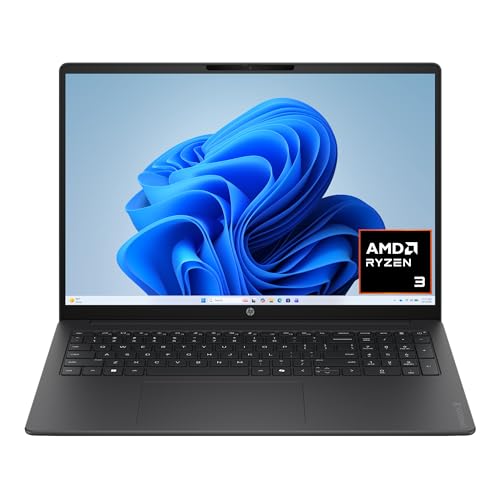
- 16-inch 2K IPS touchscreen
- 256GB SSD and 8GB LPDDR5 RAM
- Up to 14 hours and 15 minutes of battery life
Best For: Casual photo editing and everyday home or student use
Portable Mac Choice

- M5 chip with 16GB unified memory
- 13.6-inch display supports 1 billion colors
- 2.71-pound design with up to 18 hours of battery life
Best For: Traveling photographers and editors with limited desk space
Windows Multitasking Pick
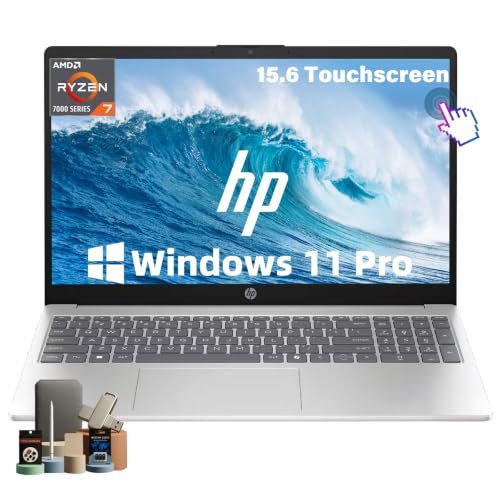
- 32GB RAM and 1TB NVMe SSD
- 8-core, 16-thread Ryzen 7 processor
- 15.6-inch Full HD IPS touchscreen
Best For: Windows users managing large photo libraries and multiple apps
Best Apple Value

- Lightweight aluminum design and up to 16-hour battery life
- Liquid Retina display supports 1 billion colors
- A18 Pro chip with 8GB memory and 512GB SSD
Best For: Students and Apple users doing light, portable photo editing
Best Windows Creative Workstation
Acer Aspire 14-inch Touchscreen
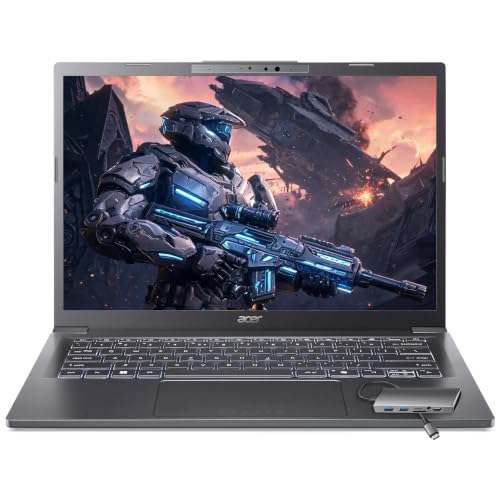
- 32GB RAM and 2TB SSD for large creative libraries
- Intel Arc graphics support photo and 1080p video editing
- Touchscreen includes stylus support and a useful port hub
Best For: Creators needing storage, multitasking power, and touch editing
Best Large-Screen Budget Pick

- 17.3-inch Full HD display for spacious editing and multitasking
- Ryzen 5 6600H, 16GB RAM, and 512GB SSD
- Upgradeable RAM and storage with a 2-year warranty
Best For: Beginners who want a roomy screen for everyday photo editing
Balanced Full HD Value

- Full HD 1920 x 1080 display
- 16GB RAM with 512GB NVMe SSD
- Memory card slot and broad connectivity
Best For: Casual photo editing, students, and mobile workflows
Large-Screen Editing Choice
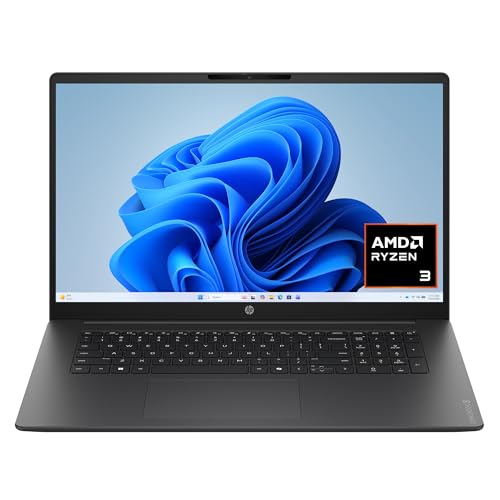
- Large Full HD IPS display
- 300 nits and 62.5% sRGB coverage
- Long rated battery life with Fast Charge
Best For: Home photo editing with a spacious built-in display
Premium Creative Choice – 15-inch MacBook Air M5
If you want a capable, portable option among laptops for photo editing, the 15-inch MacBook Air combines the M5 chip with a spacious Liquid Retina display. Its 16GB unified memory, 1TB SSD, and support for 1 billion colors make it well suited to photo workflows, multitasking, and large libraries.
Best For: Photo editors who want a large, color-rich display, strong everyday performance, and long battery life.
Pros:
- 15.3-inch Liquid Retina display supports 1 billion colors.
- M5 chip and 16GB unified memory support responsive creative workflows.
- 1TB SSD provides substantial built-in storage for photos and projects.
- Up to 18 hours of battery life and a lightweight 3.32-pound design.
Cons:
- Only two Thunderbolt 4 ports are built in.
- The larger 15-inch design is less compact than the 13-inch MacBook Air.
This MacBook Air is a strong all-around pick when display size, storage, portability, and sustained battery life matter. It also supports up to two external displays for a more expansive editing setup.
Budget Touchscreen Pick – HP OmniBook 3 16-inch
The HP OmniBook 3 is a practical entry point for laptops for photo editing, offering a large 16-inch 2K IPS touchscreen at an accessible specification level. Its Ryzen 3 processor, 8GB of RAM, and integrated Radeon 610M graphics are suited to basic photo adjustments and everyday use.
Best For: Casual editors, students, and home users who value a large touchscreen and straightforward productivity features.
Pros:
- 16-inch 1920 x 1200 IPS touchscreen offers wide viewing angles.
- 256GB PCIe NVMe SSD provides fast storage response.
- Up to 14 hours and 15 minutes of battery life with fast charging support.
- Includes useful USB-C, USB-A, HDMI, Wi-Fi 6, and Bluetooth 5.4 connectivity.
Cons:
- 8GB RAM and 256GB storage may feel limiting for large photo catalogs.
- The display is rated at 62.5% sRGB, which may not suit color-critical editing.
- Ryzen 3 and integrated graphics are better suited to lighter workloads than demanding creative projects.
This HP makes sense for occasional photo editing and general computing, especially if a responsive touchscreen and long battery life are priorities. More serious editors may want additional storage and memory.
Portable Mac Choice – 13-inch MacBook Air M5
For photographers who travel or work in compact spaces, this 13-inch MacBook Air is one of the most portable laptops for photo editing. The M5 chip, 16GB unified memory, and Liquid Retina display provide a balanced setup, while the 512GB SSD keeps the design light and mobile.
Best For: Mobile photo editors who prioritize low weight, strong performance, and dependable battery life.
Pros:
- M5 chip and 16GB unified memory support smooth multitasking.
- 13.6-inch Liquid Retina display supports 1 billion colors.
- Weighs just 2.71 pounds and offers up to 18 hours of battery life.
- Supports up to two external displays and includes two Thunderbolt 4 ports.
Cons:
- 512GB SSD offers less storage than the 15-inch model in this roundup.
- The 13.6-inch screen provides less workspace for detailed edits.
This is a compelling choice when portability is more important than maximum screen area. Pairing it with an external display or photo storage drive can make the compact format easier to use for larger projects.
Windows Multitasking Pick – HP 15.6-inch Ryzen 7
This HP offers a practical Windows setup for laptops for photo editing, pairing a Ryzen 7 7730U processor with 32GB of RAM and a 1TB SSD. That combination gives editors plenty of room for applications, files, and multitasking, while the 15.6-inch touchscreen provides a familiar workspace.
Best For: Windows users who need generous memory and storage for photo libraries, productivity, and everyday editing.
Pros:
- 32GB RAM supports keeping multiple applications open.
- 1TB NVMe SSD offers substantial, fast file storage.
- Ryzen 7 processor has 8 cores and 16 threads for demanding multitasking.
- 15.6-inch Full HD IPS touchscreen and Windows 11 Pro support productive work.
Cons:
- Integrated AMD Radeon graphics are not positioned as a dedicated graphics solution.
- The display is listed at 45% color gamut, which may be limiting for color-critical work.
- Battery life is rated at up to 10.75 hours, below the MacBook Air options here.
The HP is appealing for editors who value RAM, storage, and Windows 11 Pro over a wide color gamut. It is particularly practical for organizing large collections and switching between editing, browser, and office applications.
Best Apple Value – Apple MacBook Neo 13-inch
If you want a lightweight option among laptops for photo editing, the MacBook Neo offers a portable aluminum design, an A18 Pro chip, and a vibrant 13-inch Liquid Retina display. Its 8GB unified memory and 512GB SSD are better suited to everyday photo work, school projects, and light creative tasks than demanding professional workflows.
Best For: Students and Apple users who want a compact laptop for everyday photo editing, schoolwork, and travel.
Pros:
- Portable 2.71-pound aluminum design with up to 16 hours of battery life.
- Liquid Retina display supports 1 billion colors for vivid photos and crisp text.
- A18 Pro chip supports everyday productivity and Apple Intelligence features.
Cons:
- 8GB unified memory may limit heavier multitasking and advanced editing workflows.
- 13-inch screen provides less workspace than larger creative laptops.
The MacBook Neo is a practical entry-level choice for mobile photo work, particularly if you value battery life, portability, and the Apple ecosystem. Professional editors working with large libraries or complex projects may prefer more memory and a larger display.
Best Windows Creative Workstation – Acer Aspire 14-inch Touchscreen
The Acer Aspire is one of the more capable Windows laptops for photo editing in this group, pairing an Intel Core Ultra 7 258V processor with 32GB of RAM, a 2TB SSD, and integrated Intel Arc 140V graphics. Its touchscreen and stylus support can make hands-on retouching more intuitive, while the included USB hub simplifies a desktop-style setup.
Best For: Photographers, designers, and content creators who need generous memory, storage, and touch-based editing.
Pros:
- 32GB LPDDR5X RAM supports large projects and extensive multitasking.
- 2TB PCIe SSD provides substantial space for photos, videos, and applications.
- Intel Arc 140V graphics support GPU-accelerated photo editing and 1080p video work.
- 14-inch touchscreen offers stylus support for more direct retouching.
Cons:
- 1920×1200 resolution and 60Hz refresh rate are practical but not especially high-end for display-focused work.
- Integrated graphics are less suitable for the most demanding professional workloads than a dedicated GPU.
With its unusually strong memory and storage configuration, the Acer Aspire is a flexible choice for creators who work across photo libraries, video clips, and multiple applications. Confirm your preferred color-management workflow if display-critical editing is a priority.
Best Large-Screen Budget Pick – NIMO 17.3-inch Creator Laptop
The NIMO provides a spacious 17.3-inch Full HD display at a more accessible configuration for everyday laptops for photo editing. Its Ryzen 5 6600H processor, 16GB of DDR5 RAM, and Radeon 660M integrated graphics are well matched to basic editing, design previews, and general creative work, while upgradeable memory and storage add useful flexibility.
Best For: Students, home users, and beginner creators who prefer a large screen for basic photo editing and multitasking.
Pros:
- Large 17.3-inch Full HD display provides comfortable space for previews and split-screen work.
- 16GB DDR5 RAM and a 512GB PCIe SSD support everyday editing and file handling.
- Dual SO-DIMM slots and an M.2 design allow future memory and storage upgrades.
- Includes a 2-year manufacturer warranty and US-based customer support.
Cons:
- Radeon 660M integrated graphics are intended for everyday visual work rather than demanding professional editing.
- Estimated 6–8 hours of battery life is more modest than ultraportable alternatives.
- The large 17.3-inch format is less convenient for frequent travel.
The NIMO makes sense when screen size and upgradeability matter more than maximum portability. It is a solid starting point for casual photo editing, but users handling complex files or advanced effects may benefit from a stronger graphics solution.
Best with Extra Features – HP Pavilion 15.6-inch
If you need a practical entry point among laptops for photo editing, this HP Pavilion emphasizes memory and storage rather than display resolution. Its 16GB RAM and 1TB SSD support everyday editing workflows and multitasking, while the touchscreen adds convenience for browsing and light creative work.
Best For: Casual photo editing, students, and home users who prioritize ample storage and memory.
Pros:
- 16GB RAM helps support multiple applications and browser tabs.
- 1TB PCIe NVMe SSD provides generous space and fast boot and transfer speeds.
- Touchscreen and anti-glare finish add flexibility for everyday use.
- Includes USB-C, two USB-A ports, HDMI, and Windows 11 Home.
Cons:
- HD resolution is limited to 1366 x 768, which gives photo work less workspace and detail than a Full HD display.
- Integrated Intel UHD Graphics and the dual-core Core i3 are better suited to lighter editing than demanding projects.
- The display is rated at 220 nits and 45% NTSC, so color-focused work may require an external monitor.
This Pavilion is a sensible budget choice for organizing photos and making basic edits, but its HD, narrow-gamut screen is the main limitation for photographers who need more precise visual evaluation.
Balanced Full HD Value – KAIGERR Ryzen Laptop
This KAIGERR model is a more balanced option for laptops for photo editing, pairing a Full HD display with 16GB RAM and an NVMe SSD. Its AMD processor and integrated Radeon graphics are aimed at multitasking, light gaming, and photo projects rather than high-end professional workloads.
Best For: Students, travelers, and casual editors who want a Full HD screen and flexible connectivity.
Pros:
- 1920 x 1080 display provides more workspace than an HD panel.
- 16GB DDR4 RAM supports multitasking and editing applications.
- 512GB M.2 NVMe SSD enables quick boot and application loading.
- Memory card slot, HDMI, USB-C, USB 3.2, Wi-Fi 6, and Bluetooth 5.2 support a range of accessories.
Cons:
- Integrated graphics are suitable for lighter photo editing but not positioned as a dedicated professional graphics solution.
- 512GB of storage may fill quickly with large RAW photo libraries.
- The supplied notes do not specify display brightness or color-gamut coverage.
With its Full HD resolution and 16GB of memory, this laptop offers a practical middle ground for everyday photo work. Consider external storage if your projects include extensive RAW archives.
Large-Screen Editing Choice – HP OmniBook 3 17.3-inch
For shoppers comparing laptops for photo editing, the HP OmniBook 3 stands out with a large 17.3-inch Full HD IPS display. Its wide viewing angles, 300-nit brightness, and 62.5% sRGB coverage make it useful for everyday photo adjustments, while the 512GB SSD keeps storage and loading responsive.
Best For: Home editors who want a spacious built-in screen for photo organization and light editing.
Pros:
- 17.3-inch Full HD IPS display offers a large workspace and 178-degree viewing angles.
- 300-nit brightness and 62.5% sRGB coverage provide useful everyday viewing specifications.
- 512GB PCIe NVMe SSD delivers fast storage performance.
- Battery life is rated up to 14 hours and 15 minutes, with HP Fast Charge support.
Cons:
- 8GB onboard LPDDR5 RAM provides less headroom for heavier multitasking than 16GB alternatives.
- Integrated AMD Radeon 610M graphics are intended for efficient everyday use rather than demanding creative workloads.
- The 17.3-inch form factor is less portable than a smaller laptop.
The OmniBook 3 is appealing when screen size and viewing comfort matter most. Its Full HD IPS panel is a stronger fit for routine editing than an HD screen, though serious creators may want more memory and a wider-gamut display.
How We Picked the Best Laptops for Photo Editing
We evaluated these laptops for the hardware that most directly affects photo-editing performance: processor capability, memory, storage, display size, portability, operating system, and overall configuration value. We also considered whether each model is better suited to light edits, large photo libraries, or demanding multitasking.
Because advertised configurations can vary by retailer, confirm the exact processor, RAM, storage, screen resolution, and operating-system version before purchasing. A model with the same name may be sold in several substantially different configurations.
Quick Comparison
| Best For | What to Prioritize | Recommended Configuration |
|---|---|---|
| Travel photographers | Low weight and battery life | 13- or 15-inch laptop with 16GB RAM |
| Large RAW libraries | Memory and storage | 16GB or 32GB RAM with at least 1TB SSD |
| Windows value | Balanced CPU, RAM, and display | 16GB RAM, modern processor, SSD storage |
| Heavy creative workloads | Fast processor and strong graphics | 32GB RAM, large SSD, and capable integrated or dedicated graphics |
Key Buying Factors for Laptops for Photo Editing
Processor and Memory
Photo applications benefit from a modern multi-core processor, especially when exporting batches, generating previews, or using AI-powered tools. Choose at least 16GB of RAM for a comfortable editing experience. Eight gigabytes can work for basic adjustments, but it leaves less room for large files, browser tabs, and other applications.
Display Quality and Size
Screen resolution affects workspace, while color accuracy affects editing confidence. A sharp 2K or Retina-class display is useful for examining detail, but brightness, viewing angles, and reliable color coverage matter just as much. A 15- or 17-inch screen provides more room for panels; a 13-inch model is easier to carry.
Storage, Ports, and Expandability
An SSD makes application launches and catalog browsing faster than older hard drives. Choose 512GB for a modest library and 1TB or more if you keep many RAW files locally. Check for USB-C, USB-A, an SD-card reader, and external-display support. Cloud storage or an external SSD may still be necessary for backups.
Operating System and Battery Life
macOS and Windows both support excellent editing software. Choose the platform that matches your existing workflow, plugins, peripherals, and cloud services. For mobile work, prioritize tested battery performance and a manageable charger—not just the manufacturer’s runtime claim.
Who Should Buy Which Laptops for Photo Editing?
Choose a MacBook Air if you value quiet operation, portability, battery life, and a polished creative workflow. The 15-inch version is better for a spacious workspace, while the 13-inch model favors travel. Consider the MacBook Neo for lighter editing and everyday use when its lower memory capacity fits your workflow.
Choose a Windows laptop with 16GB or 32GB of RAM if you want configuration flexibility, touchscreen options, larger displays, or strong storage value. The 32GB models are the safer choice for large catalogs and frequent multitasking. Entry-level HP OmniBook configurations are better for basic edits than intensive RAW processing, while creator- or gaming-oriented models may offer more sustained performance.