Choosing the right laboratory UV spectrophotometer can make routine absorbance testing faster, more consistent, and easier to trust.
Below, we focus on the most useful buying factors for labs, teaching spaces, and quality-control workflows so you can match the instrument to your sample types and throughput.
Best 10 Laboratory UV Spectrophotometer Picks for 2026
Best for Routine UV-Vis Lab Work
UV-5100B UV Vis Spectrophotometer

- 190-1000 nm range with 2 nm bandwidth
- Automatic wavelength setting and built-in data storage
- Supports absorbance, transmittance, and quantitative analysis
Best For: Teaching labs, routine QC, and general UV-Vis measurements.
Best for Visible-Range Lab Work
GOYOJO Portable Spectrophotometer 721

- 350-1020nm visible-range coverage
- ±1%T accuracy and 0.5%T repeatability
- Compact, simple digital operation
Best For: Students, small labs, and QC teams needing routine visible-range absorbance testing.
Best for Standalone UV-Vis Testing
UV-9000S Double Beam UV Vis Spectrophotometer

- Double-beam design for better stability
- Standalone modes for common UV-Vis tests
- Variable bandwidth and auto calibration
Best For: Labs that want a standalone UV-Vis spectrophotometer with broad testing functions.
Best for Versatile Lab Work
UV-VIS Spectrophotometer 752N/UV1100

- 195–1020nm wavelength range for broad UV-Vis testing
- ±0.5%T photometric accuracy with stable readings
- Simple operation and included cuvettes for quick setup
Best For: Universities, QC teams, and industrial labs needing a versatile UV-Vis analyzer.
Best Value UV-Vis Scanner
UV-5200/UV-5100B Spectrophotometer
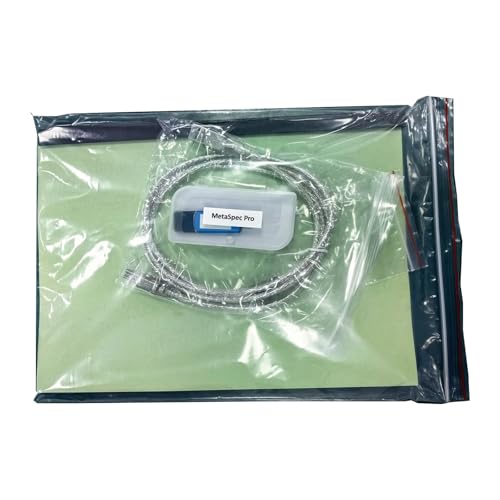
- UV-Vis scanning with software support
- Good for routine lab and teaching use
- Budget-conscious analytical option
Best For: Labs needing an affordable UV-Vis spectrophotometer for routine scanning and basic analysis.
Best for Routine Lab Work
721N/722N Laboratory UV-Vis Spectrophotometer

- Simple UV-Vis workflow for common absorbance testing
- Compact bench-top design for standard lab setups
- Good fit for routine, repeatable measurements
Best For: Teaching labs, small research spaces, and QC teams needing a dependable UV-Vis instrument for everyday measurements.
Best for UV-Vis Range
200-1020nm UV-Vis Spectrophotometer

- 200–1020nm wavelength range
- Measures absorbance and transmission ratio
- Includes glass and quartz cuvettes
Best For: Teaching labs and general sample analysis needing broad UV-Vis coverage.
Best for Dual-Beam Accuracy
CGOLDENWALL 7230G UV-Vis Spectrophotometer

- Dual-beam ratio detection for steadier readings
- Stores 100 standard curves and 200 data sets
- 320–1100 nm range with 4 nm bandwidth
Best For: Labs that want a dependable scanning UV-Vis spectrophotometer for routine analytical testing and saved methods.
Best for PC-Controlled Analysis
UV-5500PC UV Vis Spectrophotometer 190-1100nm

- 190-1100nm range with 2nm bandwidth
- PC software for quantitative and scan functions
- Auto wavelength and large data storage
Best For: Labs that want computer-controlled UV-Vis analysis with routine method storage and scan modes.
Best for Basic Quantitative Work
UV-5100 Single Beam UV Vis Spectrophotometer

- 190-1100nm range with 2nm spectral bandwidth
- Supports standard curves for concentration testing
- USB output for scanning, kinetics, and multi-wavelength results
Best For: Labs and classrooms needing a simple single-beam UV-Vis instrument for routine quantitative analysis.
Best for Routine UV-Vis Lab Work – UV-5100B UV Vis Spectrophotometer
If you need a practical laboratory UV spectrophotometer for everyday absorbance, transmittance, and quantitative testing, the UV-5100B covers the core jobs without adding unnecessary complexity. Its 190-1000 nm range, 2 nm bandwidth, and automatic wavelength setting make it a solid fit for standard lab workflows.
Best For: Teaching labs, routine QC, and general-purpose UV-Vis measurements where built-in analysis tools matter more than advanced research features.
Pros:
- 190-1000 nm range with automatic wavelength selection in 0.1 nm steps
- Supports absorbance, transmittance, standard curves, and coefficient methods
- Built-in data storage plus a 128×64 LCD for on-device review
- Optional PC software expands into scanning, kinetics, and multi-wavelength analysis
Cons:
- Single-beam design is less advanced than higher-end dual-beam systems
- Some functions depend on separately purchased PC software
- At 33.2 lb, it is not especially portable
For buyers who want a dependable laboratory UV spectrophotometer for common UV-Vis tasks, the UV-5100B offers a useful balance of range, accuracy, and built-in measurement modes. It is most compelling when you want straightforward operation and enough flexibility for routine analytical work.
Best for Visible-Range Lab Work – GOYOJO Portable Spectrophotometer 721
If you need an affordable laboratory UV spectrophotometer for routine visible-range testing, the GOYOJO Portable Spectrophotometer 721 is built around practical lab use rather than advanced research features. It offers a 350-1020nm range, simple digital controls, and solid photometric specs for day-to-day measurements in teaching labs, QC checks, and basic analytical work.
Best For: Students, small labs, and QC teams that want a straightforward visible spectrophotometer for routine absorbance and transmittance testing.
Pros:
- ±1%T photometric accuracy with 0.5%T repeatability supports dependable routine readings.
- Simple digital operation makes it easier to set up and use with minimal training.
- 350-1020nm coverage suits many common lab and quality-control applications.
- Compact, portable design is convenient for limited bench space or storage.
Cons:
- It is a visible-range unit, so it is not a full UV spectrophotometer for UV-only workflows.
- 6nm bandwidth is fine for general use, but not ideal for high-end analytical precision.
- 110V power may require compatibility checking before purchase.
Overall, this is a sensible pick if you want a budget-friendly laboratory UV spectrophotometer-style instrument for standard visible-range tasks without paying for advanced features you may not need.
Best for Standalone UV-Vis Testing – UV-9000S Double Beam UV Vis Spectrophotometer
If you need a laboratory UV spectrophotometer that can handle routine photometric, spectrum, and quantitative work without tying you to a computer, the UV-9000S is built for that workflow. Its double-beam design, variable bandwidth, and onboard test modes make it a practical choice for labs that want stability and flexibility in one instrument.
Best For: Labs that want a standalone UV-Vis spectrophotometer with broad testing functions and built-in calibration.
Pros:
- Double-beam optical path helps improve stability and reduce stray light.
- Standalone system supports spectrum scanning, standard curves, kinetics, and DNA/protein tests.
- 0.5/1/2/4 nm variable bandwidth plus 190-1100 nm range adds versatility.
- One-button auto calibration and a large LCD simplify everyday use.
Cons:
- Bulky bench-top design may be more than smaller labs need.
- Advanced users may still prefer PC-based workflows for data handling.
- Some accessories, like a micro printer, are optional rather than included.
Overall, this laboratory UV spectrophotometer stands out for offering many core functions directly on the instrument, making it a strong fit for labs that value convenience, stability, and all-around testing capability.
Best for Versatile Lab Work – UV-VIS Spectrophotometer 752N/UV1100
If you need a practical laboratory UV spectrophotometer for routine analysis, the UV-VIS Spectrophotometer 752N/UV1100 is built for broad use across teaching labs, quality control, and production settings. Its 195–1020nm range covers common UV-Vis applications, while the simple digital interface keeps everyday measurements straightforward.
Best For: Universities, labs, and industrial users who want a dependable UV-Vis unit for general spectroscopic testing and quality checks.
Pros:
- Wide wavelength range supports many UV-Vis testing applications.
- Good stated accuracy and stability for routine lab measurements.
- Simple operation with an easy-to-read digital display.
- Includes glass and quartz cuvettes plus other basic accessories.
Cons:
- Not the most advanced option for specialized research workflows.
- Optional software and printer may add cost if you need extra functionality.
For buyers comparing a laboratory UV spectrophotometer for teaching or production use, this model stands out for balancing range, accuracy, and ease of use without adding unnecessary complexity.
Best Value UV-Vis Scanner – UV-5200/UV-5100B Spectrophotometer
If you need a practical laboratory UV spectrophotometer for routine absorbance checks, teaching labs, or general QC workflows, this UV-5200/UV-5100B package offers a straightforward way to add UV-Vis scanning capability without moving into higher-end pricing tiers. It is a solid fit when you want core measurement functions and software support in one bench-ready unit.
Best For: Labs that want an affordable UV-Vis spectrophotometer for routine testing, scanning, and basic analytical work.
Pros:
- Combines UV-Vis scanning with included software support
- Good fit for routine lab measurements and educational use
- Value-oriented choice for entry-level analytical workflows
- Useful when you need a general-purpose laboratory UV spectrophotometer
Cons:
- Not aimed at advanced high-throughput or specialized research needs
- Interface and feature set may feel basic compared with premium systems
Overall, this is a sensible pick for buyers who want a laboratory UV spectrophotometer with essential scanning features and software included, while keeping costs in check.
Best for Routine Lab Work – 721N/722N Laboratory UV-Vis Spectrophotometer
If you need a straightforward laboratory UV spectrophotometer for routine absorbance checks, the 721N/722N is positioned as a practical bench-top option. It suits labs that want a simple instrument for everyday sample analysis without paying for advanced research-grade extras.
Best For: Teaching labs, small research spaces, and quality-control teams that need a dependable UV-Vis instrument for routine measurements.
Pros:
- Simple UV-Vis workflow for common absorbance testing
- Compact bench-top design for standard lab setups
- Good fit for routine, repeatable measurements
- Accessible choice for budget-conscious buyers
Cons:
- Not aimed at advanced analytical features
- May be more basic than higher-end research models
- Best for standard lab tasks rather than specialized applications
Overall, the 721N/722N makes sense if you want a functional laboratory UV spectrophotometer for everyday testing and value simplicity over premium feature depth.
Best for UV-Vis Range – 200-1020nm UV-Vis Spectrophotometer
If you need a practical laboratory UV spectrophotometer for routine absorbance work, transmission ratio checks, and standard-curve concentration analysis, this UV-Vis unit covers the essentials with a wide 200–1020nm range. It’s aimed at labs that want core measurement functions without overcomplicating the workflow.
Best For: Teaching labs, basic research setups, and general-purpose sample analysis where UV-Vis coverage and simple operation matter.
Pros:
- Wide 200–1020nm wavelength range for UV and visible testing
- Supports absorbance, transmission ratio, and concentration measurements
- Includes 4 glass cuvettes and 2 quartz cuvettes at no extra cost
- Power-on self-test helps with quick startup checks
Cons:
- More of a general-use instrument than a high-end research model
- Specification details are limited, so advanced buyers may want more performance data
- Best suited to standard workflows rather than specialized applications
This laboratory UV spectrophotometer is a solid fit if you want broad UV-Vis coverage and straightforward measurement modes in one package. It looks especially useful for everyday lab analysis where included accessories and basic sample quantification are the main priorities.
Best for Dual-Beam Accuracy – CGOLDENWALL 7230G UV-Vis Spectrophotometer
If you need a laboratory UV spectrophotometer for routine scanning, standard-curve work, and general quantitative analysis, the CGOLDENWALL 7230G is built around a dual-beam ratio detection system with a 320–1100 nm range and 4 nm bandwidth. It’s a practical fit for labs that want stable measurements, onboard data storage, and easy-to-read results without moving up to a more complex research-grade platform.
Best For: Labs that need a scanning UV-Vis spectrophotometer for standard curves, stored methods, and everyday analytical testing.
Pros:
- Dual-beam ratio detection helps improve stability and measurement consistency.
- Stores up to 100 standard curves and 200 sets of test data for repeat workflows.
- 320–1100 nm range covers common UV-Vis lab applications.
- LCD readout and print support make it easier to review and share results.
Cons:
- 4 nm bandwidth is solid for routine use, but not ideal for highly demanding resolution needs.
- Feature set is more utilitarian than modern touchscreen or software-heavy models.
- May be more instrument than needed for occasional or basic teaching use.
Overall, this laboratory UV spectrophotometer is a sensible choice for buyers who value stored calibration curves, dual-beam stability, and straightforward scanning performance over advanced automation.
Best for PC-Controlled Analysis – UV-5500PC UV Vis Spectrophotometer 190-1100nm
If you need a practical laboratory UV spectrophotometer with broad wavelength coverage and computer-based control, the UV-5500PC is built for routine quantitative work, kinetics, DNA/protein testing, and wavelength scans. It combines a large LCD, automatic wavelength setting, and included PC software to streamline common analytical tasks without a steep learning curve.
Best For: Labs that want a feature-rich UV-Vis unit with PC software for quantitative analysis, scan modes, and saved method workflows.
Pros:
- 190-1100nm range with 2nm bandwidth for versatile UV-Vis testing
- PC software adds quantitative, kinetics, scan, and DNA/protein functions
- Auto wavelength, auto zero, and blank help speed up routine use
- Large LCD stores curves, equations, and multiple data groups
Cons:
- More specialized than entry-level units, so setup may take time
- Accessory and cuvette configuration details may require careful checking
- Best suited to users who plan to use the software features regularly
Overall, this laboratory UV spectrophotometer stands out for buyers who value computer integration and a strong set of analysis modes over a bare-bones interface. It is a solid fit for labs that want flexible software control and dependable everyday UV-Vis measurements.
Best for Basic Quantitative Work – UV-5100 Single Beam UV Vis Spectrophotometer
If you need a straightforward laboratory UV spectrophotometer for photometric, spectrum, and quantitative testing, the UV-5100 is built around the essentials: a 190-1100nm range, 2nm spectral bandwidth, and simple wavelength control. It’s a practical fit for routine lab work where clear results, standard curves, and concentration analysis matter more than advanced automation.
Best For: Labs, classrooms, and routine analysis workflows that need a dependable single-beam UV-Vis instrument for basic quantitative testing.
Pros:
- 2nm bandwidth and 190-1100nm range cover common UV-Vis applications
- Built-in standard curve support helps estimate unknown concentrations
- USB connectivity supports spectrum scanning, kinetics, and multi-wavelength output
- Imported deuterium lamp is designed for low stray light and easier replacement
Cons:
- Single-beam design is less advanced than dual-beam alternatives
- Software is optional, so some workflows may need extra setup
- 2.5-inch display is functional but not especially large
Overall, the UV-5100 is a sensible laboratory UV spectrophotometer for users who want core UV-Vis capability without paying for a more complex system. It focuses on practical measurement tasks and keeps operation relatively simple with automatic wavelength selection.
How We Picked the Best Laboratory UV Spectrophotometer
For this roundup, we prioritized wavelength range, optical design, bandwidth control, usability, and software support. We also looked for models that fit common lab needs, from basic visible testing to broader UV-Vis work and PC-connected data handling.
We gave extra weight to features that improve repeatability and workflow efficiency, such as automatic wavelength settings, dual-beam designs, scanning capability, and compatibility with analysis software.
Quick Comparison
In general, single-beam units are a practical choice for straightforward routine measurements, while double-beam systems are better when you want more stable baseline performance and easier comparison over longer sessions. Fixed-bandwidth models are usually simpler and more affordable, while variable-bandwidth instruments offer more flexibility for method development and tighter control over resolution.
Key Buying Factors for a Laboratory UV Spectrophotometer
Wavelength Range
Make sure the instrument covers the range your methods require. Many chemistry and biology applications need UV coverage below 400 nm, while visible-only work may be fine with a narrower range.
Bandwidth and Optical Configuration
Bandwidth affects spectral detail and method precision. A 2 nm instrument can be a strong general-purpose option, while variable bandwidth is useful when you need to balance speed, sensitivity, and resolution. Double-beam systems usually provide stronger baseline stability; single-beam models are often simpler to operate.
Software and Data Output
If you need scanning, reporting, or saved records, look for PC software and easy data export. This is especially important in labs that document results for teaching, research, or quality control.
Sample Throughput and Workflow
Consider how many samples you run and how often you switch methods. Automatic wavelength setting, fast scanning, and intuitive controls can reduce setup time and operator error.
Build and Support
A Laboratory UV Spectrophotometer should feel stable, be easy to maintain, and come with documentation that matches your use case. If multiple users will share it, prioritize clear controls and repeatable calibration routines.
Who Should Buy Which Laboratory UV Spectrophotometer?
If you need a straightforward instrument for routine lab checks, a fixed-bandwidth single-beam model is often the best value. If your work depends on more stable measurements, method development, or broader scanning needs, a double-beam or variable-bandwidth option is a better fit.
For classrooms or basic visible analysis, a simpler visible-range spectrophotometer may be enough. For research, QC, or multi-method labs, choose a model with UV coverage, software support, and the flexibility to handle changing workflows.