Choosing the right laboratory oscilloscope for electronics comes down to bandwidth, sample rate, channels, and how you actually test. The best model for a student, bench tech, or repair shop is not always the same.
Below, we’ve narrowed the field to 10 strong options across portable and bench-style designs so you can match performance, features, and value to your work.
Best 10 Laboratory Oscilloscope for Electronics Picks for 2026
Best Mid-Range Lab Scope
Siglent SDS1202X-E 200 MHz 2-Ch Oscilloscope
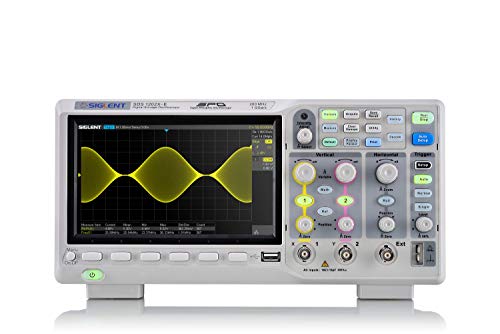
- 200 MHz bandwidth for broad bench use
- 2 channels for side-by-side signal comparison
- Good fit for troubleshooting and prototyping
Best For: Students, hobbyists, and engineers who want a capable everyday bench scope.
Best 3-in-1 Portable Tester
FNIRSI 2C53P Handheld Oscilloscope

- Oscilloscope, multimeter, and signal generator in one
- 50 MHz bandwidth with 250 MS/s sampling
- Portable 4.3-inch touch screen and 4,000 mAh battery
Best For: Technicians and hobbyists who want a portable all-in-one tester for electronics and automotive work.
Best for Deep Memory Debugging
RIGOL DS1202Z-E 200 MHz Oscilloscope

- 200 MHz bandwidth with 1 GSa/s sampling
- 24 Mpts memory plus 60,000-frame recording
- UART, I2C, and SPI serial decode support
Best For: Electronics students, embedded developers, and bench users who need deep capture memory and serial-bus debugging.
Best for Budget-Lab Learning
Rigol DS1054Z 50 MHz 4-Ch Oscilloscope

- Four channels for easy signal comparison
- Deep memory and fast waveform capture
- UART, I2C, and SPI decode support
Best For: Students, hobbyists, and labs needing an affordable four-channel bench scope.
Best Value with Signal Source
Hantek DSO2D15 150MHz 2CH Oscilloscope

- 150MHz bandwidth and 1GSa/s sampling
- Built-in signal source for extra test flexibility
- 8M memory depth for more detailed captures
Best For: Students and hobbyists who want a capable bench scope with a signal generator.
Best for Bench Features
HANMATEK DOS1102 110MHz 2-Channel Scope
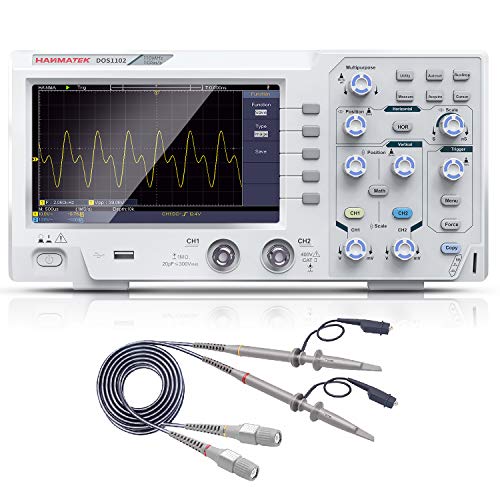
- 110 MHz bandwidth for everyday electronics work
- 7-inch color display with cursor measurements
- USB storage plus SCPI/LABVIEW support
Best For: Electronics learners and bench users who want a portable scope with strong measurement tools.
Best All-in-One Bench-to-Field
FNIRSI DPOS350P 4-in-1 Oscilloscope

- 350MHz bandwidth with 1 GSa/s sampling
- Includes spectrum analyzer, FRA, and DDS generator
- 7" touchscreen and 8,000mAh battery for portability
Best For: Electronics hobbyists and technicians who need a portable all-in-one instrument.
Best Portable Starter Scope
FNIRSI DSO152 Handheld Oscilloscope

- Portable pocket design with built-in battery
- Easy one-button AUTO setup for quick readings
- Trigger modes help with analog and digital signals
Best For: Students and hobbyists who want a simple portable scope for basic electronics troubleshooting.
Best All-in-One Portable Scope
FNIRSI 2C53T Handheld Oscilloscope

- 3-in-1 scope, meter, and signal generator
- 50MHz bandwidth with portable battery power
- Useful for hobby labs and troubleshooting
Best For: Electronics hobbyists and students who want a compact multi-function test tool.
Best Mid-Range Lab Scope – Siglent SDS1202X-E 200 MHz 2-Ch Oscilloscope
If you need a laboratory oscilloscope for electronics work that balances performance, usability, and price, the Siglent SDS1202X-E is an easy model to shortlist. Its 200 MHz bandwidth and 2-channel layout make it a strong fit for bench testing, troubleshooting, and general lab measurements without jumping into high-end pricing.
Best For: Students, hobbyists, and working engineers who want a capable everyday bench scope for circuit debugging and signal checks.
Pros:
- 200 MHz bandwidth covers a wide range of analog and digital electronics tasks
- 2-channel design is practical for comparing signals and timing relationships
- Well-suited for lab-style troubleshooting, prototyping, and repair work
Cons:
- Only two channels, so it is less flexible than 4-channel alternatives
- Not the best pick if you need advanced multi-signal capture for complex systems
For buyers seeking a dependable laboratory oscilloscope for electronics, this Siglent model hits a smart middle ground: enough bandwidth for serious bench use, but still approachable for smaller labs and independent builders. It is a practical choice when you want solid scope performance without overbuying features you may not use.
Best 3-in-1 Portable Tester – FNIRSI 2C53P Handheld Oscilloscope
If you want a compact laboratory oscilloscope for electronics work that also covers multimeter and signal-generation tasks, the FNIRSI 2C53P packs a lot into a handheld format. Its 50 MHz bandwidth, 250 MS/s sampling, and touch interface make it a practical pick for bench checks, automotive troubleshooting, and quick field diagnostics.
Best For: Technicians and hobbyists who want a portable 3-in-1 tool for basic oscilloscope measurements, DMM readings, and waveform output.
Pros:
- Combines oscilloscope, multimeter, and DDS signal generator in one handheld unit
- 50 MHz bandwidth and 250 MS/s sampling are useful for many common electronics tasks
- 4.3-inch touch screen and one-key AUTO simplify setup and operation
- Built-in 4000 mAh battery supports portable use away from the bench
Cons:
- Not as feature-rich or specialized as a full-size bench laboratory oscilloscope for electronics
- Small screen size may feel limiting for detailed waveform analysis
- Best suited to practical troubleshooting rather than advanced lab-grade measurement workflows
Overall, the FNIRSI 2C53P is a strong value if you need a flexible handheld tester more than a traditional bench instrument. For buyers comparing a laboratory oscilloscope for electronics with portable all-in-one tools, it stands out for convenience and versatility.
Best for Deep Memory Debugging – RIGOL DS1202Z-E 200 MHz Oscilloscope
If you want a laboratory oscilloscope for electronics work that can catch fast glitches without losing long captures, the RIGOL DS1202Z-E is a strong fit. Its 200 MHz bandwidth, 1 GSa/s sample rate, and deep memory make it practical for bench debugging, embedded bring-up, and lab training.
Best For: Electronics students, embedded developers, and lab benches that need a capable scope with deep capture memory and serial decode tools.
Pros:
- 200 MHz bandwidth with 1 GSa/s sampling for a solid general-purpose bench range
- 24 Mpts memory and up to 60,000-frame recording help preserve longer events
- 30,000 wfms/s and intensity display improve visibility of intermittent noise and jitter
- UART, I2C, and SPI decode support is useful for mixed-signal troubleshooting
Cons:
- Only two analog channels, so it may be limiting for more complex systems
- Display and controls are solid, but not as modern as higher-end touchscreen models
- Best suited to bench use rather than portable field work
For buyers comparing a laboratory oscilloscope for electronics classes or day-to-day repair work, this RIGOL stands out for capture depth and debug-friendly features rather than luxury extras. It is a sensible pick when you need reliable visibility into both quick transients and longer signal history.
Best 3-in-1 Portable Pick – FNIRSI 2C23T Handheld Oscilloscope
If you want a compact laboratory oscilloscope for electronics work that also replaces a basic multimeter and signal source, the FNIRSI 2C23T is a practical all-in-one option. It’s aimed at bench troubleshooting, classroom use, and field diagnostics where portability matters more than high-end bandwidth.
Best For: Students, hobbyists, and technicians who want a handheld scope with multimeter functions and a built-in signal generator.
Pros:
- Combines a 2-channel oscilloscope, 10000-count multimeter, and DDS signal generator in one unit
- Portable design with a 2.8-inch display and built-in rechargeable battery for on-the-go testing
- Useful measurement range for common electronics tasks, including voltage, current, resistance, capacitance, and diode testing
- Waveform storage and PC export make it easier to compare signals and document results
Cons:
- 10 MHz bandwidth is enough for many basic jobs, but not ideal for faster or more advanced signals
- Handheld controls and a smaller screen are less convenient than a full-size bench oscilloscope
- Best suited to troubleshooting and learning rather than precision lab instrumentation
For buyers comparing a laboratory oscilloscope for electronics projects, this FNIRSI model stands out for versatility and portability rather than raw performance. It makes sense when you want a single tool for quick diagnostics, simple signal generation, and everyday measurements without taking up bench space.
Best for Budget-Lab Learning – Rigol DS1054Z 50 MHz 4-Ch Oscilloscope
If you want a dependable laboratory oscilloscope for electronics without jumping to a much pricier bench unit, the Rigol DS1054Z is a proven entry point. It gives you four channels, 1 GSa/s sampling, and a deep memory buffer that make everyday debugging, education, and basic mixed-signal work much easier.
Best For: Students, hobbyists, and labs that need a capable four-channel scope for routine circuit testing, serial-bus checks, and hands-on learning.
Pros:
- Four channels make it easier to compare signals side by side.
- Deep 24 Mpts memory and 30,000 wfms/s help catch intermittent issues.
- Built-in UART, I2C, and SPI decode is useful for embedded debugging.
- UltraVision display and record/playback features improve signal review.
Cons:
- 50 MHz bandwidth may feel limited for higher-speed analog work.
- Not the smallest or most portable option for field use.
For a laboratory oscilloscope for electronics training and general bench troubleshooting, the DS1054Z stands out for feature depth at an approachable price. It is especially appealing if you want a scope that can grow with you through coursework, prototyping, and everyday repair tasks.
Best Value with Signal Source – Hantek DSO2D15 150MHz 2CH Oscilloscope
Hantek DSO2D15 Digital Storage Oscilloscope 150MHz 1GSa/s 8M,2 Channel,2CH+1CH with Signal Source
Check Price On AmazonIf you want a practical laboratory oscilloscope for electronics work, the Hantek DSO2D15 offers a strong mix of bandwidth, sampling speed, and built-in signal generation at a price that is usually easier to justify than bench-top alternatives with similar specs.
Best For: Students, hobbyists, and budget-conscious engineers who want a capable 2-channel scope with a signal source for everyday troubleshooting and test setups.
Pros:
- 150MHz bandwidth with 1GSa/s sampling for a solid range of electronics tasks
- 2-channel design plus built-in signal source adds flexibility for testing and calibration
- 8M memory depth helps capture more detail during longer acquisitions
- Good feature set for bench use without jumping to a higher price tier
Cons:
- Not as advanced as higher-end lab scopes for complex measurement workflows
- 2-channel setup may feel limiting for multi-signal debugging
- Interface and workflow are more functional than premium
This is a smart pick if you need a laboratory oscilloscope for electronics that balances specs, usefulness, and cost. It stands out most for buyers who want a capable bench scope with a built-in source rather than paying extra for features they may not use.
Best for Bench Features – HANMATEK DOS1102 110MHz 2-Channel Scope
If you want a laboratory oscilloscope for electronics that covers everyday troubleshooting and more advanced lab work, the HANMATEK DOS1102 brings a solid 110 MHz bandwidth, dual channels, and a 500 MS/s x2 sampling rate into a portable package. The 7-inch color display, built-in frequency counter, and multiple measurement tools make it a practical fit for students, repair benches, and hobbyists who need more than a basic starter scope.
Best For: Electronics learners and bench users who want a feature-rich portable scope with strong measurement and storage options.
Pros:
- 110 MHz bandwidth and dual-channel support for common electronics testing
- 7-inch TFT LCD with cursor tools and 30 automatic measurements
- USB storage, waveform save/load, and SCPI/LABVIEW support
- Built-in frequency meter and current measurement add extra utility
Cons:
- Not as refined as higher-end benchtop scopes for demanding lab workflows
- Display size is useful, but still smaller than full-size workstation instruments
- Feature set may be more than casual users actually need
For a laboratory oscilloscope for electronics, this HANMATEK model stands out by mixing respectable bandwidth with useful storage and automation features. It is a sensible choice when you want a capable all-around bench scope without jumping into a much pricier class of equipment.
Best All-in-One Bench-to-Field – FNIRSI DPOS350P 4-in-1 Oscilloscope
If you want a flexible laboratory oscilloscope for electronics that does more than capture waveforms, the FNIRSI DPOS350P stands out with its 4-in-1 design. It combines a 350MHz handheld scope, spectrum analysis, frequency response testing, and a DDS generator in one touchscreen unit, making it useful for mixed bench work, quick field troubleshooting, and analog tuning.
Best For: Electronics hobbyists, technicians, and engineers who want a portable all-in-one instrument for scope work, spectrum checks, and basic response testing.
Pros:
- 350MHz bandwidth with 1 GSa/s sampling and 2-channel operation
- Spectrum analyzer and FRA mode add EMI and filter-testing capability
- 7-inch touchscreen, digital phosphor display, and fast waveform refresh
- Built-in DDS generator and 8,000mAh battery improve portability
Cons:
- Feature-packed interface may be more complex than a basic bench scope
- Handheld format is less ideal for a permanent lab setup than a traditional desktop oscilloscope
This is a strong pick if you need a laboratory oscilloscope for electronics that can move between bench and field without giving up too many analysis tools. It is especially appealing for users who value versatility, though purists may still prefer a dedicated desktop scope for daily bench-only work.
Best Portable Starter Scope – FNIRSI DSO152 Handheld Oscilloscope
If you need a compact laboratory oscilloscope for electronics that’s easy to carry between benches, classrooms, and field repairs, the FNIRSI DSO152 is a practical entry-level pick. It combines a 2.8-inch display, 2.5 MS/s sampling, and simple one-key operation for quick waveform checks without a bulky setup.
Best For: Students, hobbyists, and technicians who want a portable scope for basic signal testing, troubleshooting, and learning.
Pros:
- 2.5 MS/s sampling and 200 kHz bandwidth cover many everyday electronics tasks.
- Auto, Normal, and Single trigger modes add flexibility for analog and digital signals.
- One-key AUTO setup makes it fast to get a readable waveform on screen.
- Built-in battery and USB-C charging support true pocket-friendly use.
Cons:
- Not a replacement for a full-size bench scope for advanced lab work.
- Bandwidth is limited for higher-frequency designs and detailed analysis.
- Small screen can feel cramped during extended troubleshooting sessions.
As a laboratory oscilloscope for electronics, the DSO152 is best viewed as a lightweight diagnostic tool rather than a deep-analysis instrument. It makes sense when portability, fast setup, and low-cost waveform visibility matter more than high-end measurement depth.
Best All-in-One Portable Scope – FNIRSI 2C53T Handheld Oscilloscope
If you want a compact laboratory oscilloscope for electronics that can do more than basic waveform viewing, the FNIRSI 2C53T is built as a handy 3-in-1 tool. It combines a 50MHz oscilloscope, 19999-count multimeter, and DDS signal generator in a battery-powered handheld design, making it useful for bench checks, field troubleshooting, and student labs.
Best For: Electronics hobbyists, students, and technicians who want one portable instrument for scope, meter, and signal-generator tasks.
Pros:
- Combines oscilloscope, multimeter, and signal generator in one handheld unit
- 50MHz bandwidth with 250MS/s sampling and useful measurement extras like cursor, XY, and persistence modes
- 19999-count meter covers voltage, current, resistance, capacitance, and diode/continuity testing
- Built-in battery and Type-C charging make it easy to move between workspaces
Cons:
- 1Kpts record depth is modest compared with dedicated bench scopes
- Small 2.8-inch display can feel tight for detailed analysis
- Best suited for general troubleshooting rather than advanced lab-grade work
For buyers comparing a laboratory oscilloscope for electronics with portable convenience, the 2C53T stands out as a flexible value pick. It is not a replacement for a full-size bench scope, but it delivers a practical mix of measurement tools for everyday diagnostics and learning.
How We Picked the Best Laboratory Oscilloscope for Electronics
To compare a Laboratory Oscilloscope for Electronics, we focused on the features that matter most in real troubleshooting: bandwidth for signal visibility, sample rate for waveform detail, memory depth for longer captures, channel count for comparing signals, and display usability. We also weighed portability, built-in generators, and whether a scope is better suited to bench work or field service.
Quick Comparison
In general, bench oscilloscopes from Siglent, Rigol, Hantek, and HANMATEK offer the most stable workflow, larger screens, and stronger measurement depth for electronics labs. Handheld FNIRSI models trade some performance for portability and all-in-one convenience, which can be ideal for mobile diagnostics, quick checks, and hobby use.
Key Buying Factors for a Laboratory Oscilloscope for Electronics
Bandwidth and Sample Rate
Bandwidth should comfortably exceed the fastest signals you expect to measure, while sample rate should be high enough to preserve waveform shape and timing detail. For general electronics repair and embedded work, 50 MHz to 200 MHz covers a wide range; higher bandwidth is useful for faster digital signals and cleaner capture margins.
Channels and Memory Depth
Two channels are enough for many basic tasks, but four channels are valuable when comparing clocks, buses, triggers, and multiple rails at once. Deeper memory helps retain waveform detail during long captures and intermittent faults.
Display, Controls, and Workflow
A clear screen and responsive controls make a big difference during repetitive measurements. If you spend long sessions at a bench, a larger display and straightforward menus usually matter more than extra novelty features.
Built-In Tools and Portability
Some scopes include signal generators, multimeter functions, or spectrum-style tools. These can be helpful if you want fewer separate instruments, but they should not replace core oscilloscope performance. Portable handheld units are best when you need convenience, not maximum bench capability.
Who Should Buy Which Laboratory Oscilloscope for Electronics?
If you want the most balanced setup for a lab bench, choose a bench-style scope with at least 2 channels and solid bandwidth in the 100 MHz to 200 MHz range. If you need to inspect more than two signals at once, a 4-channel model is the smarter choice. If you work in the field, travel often, or want an all-in-one diagnostic tool, a handheld FNIRSI option may fit better. For students and hobbyists, lower-bandwidth models can still be excellent as long as they match the circuits you’ll actually measure.
The best Laboratory Oscilloscope for Electronics is the one that gives you enough visibility without paying for performance you will not use. Match the scope to your signal speed, typical projects, and workspace, and you will get far better results than simply choosing the biggest spec sheet.