Choosing among today’s drawing tablets is easier when you focus on workflow, display size, pen feel, and software compatibility.
This roundup highlights ten strong options for sketching, illustration, note-taking, and digital art at different budgets and skill levels.
Best 10 Drawing Tablets Picks for 2026
HUION Pick
HUION Kamvas 13 (Gen 3) with Dual Dial

- 13.3-inch fully laminated screen
- 16,384 pressure levels with PenTech 4.0
- 99% sRGB, Rec.709, and dual dials
Best For: artists who want a compact, color-accurate pen display
XP-PEN Starter Display

- 11.6-inch full HD IPS display
- Battery-free pen with eraser end
- 6 shortcut keys and touch bar
Best For: students and beginners who want a compact screen tablet
XPPen Pro Artist
Artist 13.3 Pro Laminated Display
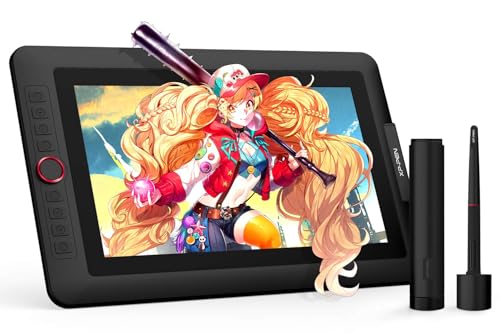
- Fully laminated 13.3-inch FHD screen
- 16,384 pressure levels with tilt support
- Red dial plus 8 shortcut keys
Best For: illustrators and animators who want a responsive pen display
Wacom Essential Pick
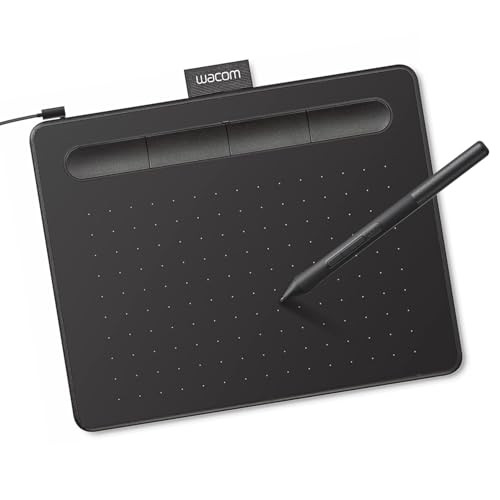
- Battery-free EMR pen technology
- Compact 6" x 3.7" active area
- Includes software and training
Best For: beginners and students who want a simple non-screen tablet
Premium Pen Display
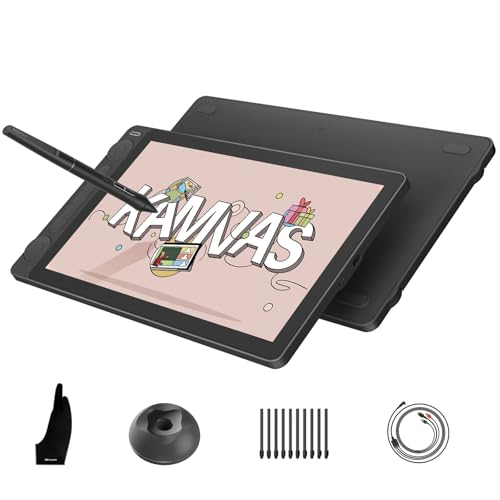
- 13.3-inch full-laminated screen with anti-glare Canvas Glass 2.0
- 16,384 pressure levels with PenTech 4.0 and dual dials
- Factory-calibrated color: 99% sRGB/Rec.709 and 90% Adobe RGB
Best For: artists who want a portable pen display with accurate color and shortcut controls
Budget No-Screen Tablet
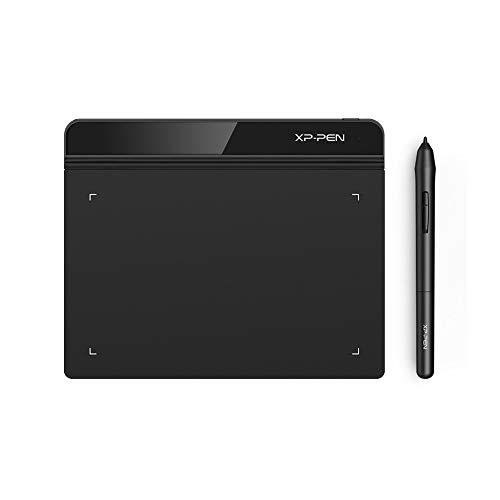
- Battery-free stylus with no charging needed
- Ultra-slim 2 mm design for easy portability
- Compatible with Mac, Windows, and Chromebook
Best For: beginners, teachers, and remote workers needing a compact tablet for drawing and notes
Large Workspace Tablet
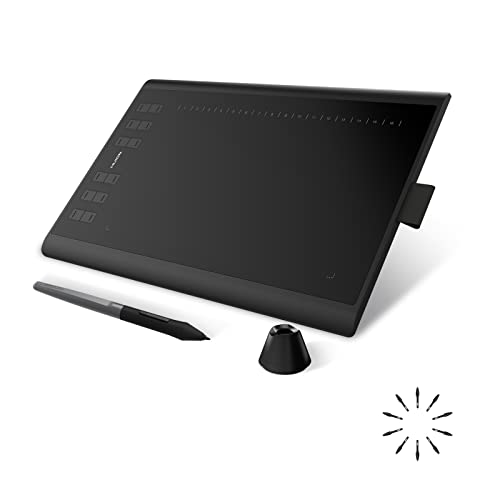
- 10 x 6.25 inch working area for more room to draw
- Battery-free pen with 60° tilt support
- 12 press keys and 16 soft keys for shortcuts
Best For: artists and creators who want a larger tablet with lots of customizable controls
Portable All-in-One Sketch Tablet

- Standalone Android 14 tablet with no computer needed
- Pro Pen 3 supports 8,192 pressure levels
- Matte etched glass helps reduce glare and fingerprints
Best For: Portable sketching, note-taking, and students who want an all-in-one tablet
Beginner-Friendly Pen Tablet

- 16K pressure stylus with 60-degree tilt support
- Battery-free pen keeps setup simple
- 8 shortcut keys and a large 10 x 6.25-inch area
Best For: Beginners who want an easy-to-use tablet with a roomy work area
Large Pen Display Workstation

- 21.5-inch laminated screen with low parallax
- 16384 pressure levels and 60-degree tilt support
- Two quick dials plus 8 shortcut keys for workflow control
Best For: Desk-based artists and designers who want a large pen display
HUION Pick – HUION Kamvas 13 (Gen 3) with Dual Dial
If you’re comparing drawing tablets with a screen and want a compact display for PC or laptop-based work, the HUION Kamvas 13 (Gen 3) is built around color accuracy, low parallax, and a streamlined shortcut layout. It is not standalone, so it makes the most sense for artists who already work from a computer and want a more natural pen-display workflow.
Best For: Artists, designers, and illustrators who want a 13.3-inch pen display with strong color support and quick-access controls.
Pros:
- Fully laminated 13.3-inch screen with Canvas Glass 2.0 to reduce glare and improve accuracy
- PenTech 4.0 with 16,384 pressure levels and 2g IAF for a responsive drawing feel
- Color-focused panel with Avg. ΔE<1.5, 99% sRGB, and Rec.709 coverage
- USB-C single-cable support plus 5 programmable keys and dual dials for workflow speed
Cons:
- Must be connected to a computer or laptop to work
- USB-C single-cable setup requires a full-featured cable sold separately
- 13.3-inch size may feel compact for artists who prefer a larger canvas
As a pen display, this Kamvas model stands out more for accuracy and control than for portability alone. If you want a well-equipped screen tablet for drawing, painting, or animation on a desktop setup, it brings a strong feature set for the size.
XP-PEN Starter Display – Artist12 11.6" FHD Monitor
For buyers looking at drawing tablets with a screen and a smaller footprint, the XP-PEN Artist12 is an entry-friendly pen display that focuses on the basics: full HD visuals, customizable controls, and a battery-free pen. It must be connected to a computer, making it a practical option for home desks, students, and remote work setups.
Best For: Students, teachers, and beginners who want a compact pen display for sketching, note-taking, and creative work.
Pros:
- 11.6-inch 1920×1080 IPS display with anti-reflective screen protector
- Battery-free P06 pen with eraser end and 8 replacement nibs included
- 6 customizable shortcut keys plus a programmable touch bar for zooming and scrolling
- Works with Windows, Mac, and Linux, with software compatibility for common creative apps
Cons:
- Requires a computer connection to operate
- Needs HDMI and USB-A ports, or adapters depending on your device
- 8192 pressure levels are solid, but lower than newer higher-end pen displays
The Artist12 is a sensible choice if you want a smaller screen tablet without overcomplicating the setup. Its display size and shortcut tools make it especially appealing for education, homework, and everyday digital art.
XPPen Pro Artist – Artist 13.3 Pro Laminated Display
If you’re shopping for drawing tablets that balance a larger canvas with creator-focused controls, the XPPen Artist 13.3 Pro is built for comfortable screen-based drawing on a computer. Its fully laminated FHD display, tilt support, and high pressure sensitivity make it a strong fit for artists who want a more refined pen-display experience.
Best For: Illustrators, animators, and concept artists who want a feature-rich 13.3-inch pen display.
Pros:
- Fully laminated 13.3-inch FHD display for a more distraction-free working area
- Stylus supports 16,384 pressure levels and up to 60 degrees of tilt
- Red dial and 8 customizable shortcut keys help speed up workflow
- Wide compatibility with Windows, Mac, Chrome OS, and Linux
Cons:
- Must be connected to a computer to work
- Some setups may need the included 3-in-1 cable or a full-featured USB-C connection
- Best suited to users who want a pen display rather than a standalone tablet
Overall, this is the kind of tablet that rewards regular creative work with responsive pen input and thoughtful controls. If you want a screen tablet that feels built for long sessions, the Artist 13.3 Pro is easy to justify.
Wacom Essential Pick – Intuos Small Wired Tablet
For buyers who want drawing tablets without a screen, the Wacom Intuos Small is a simple wired option that prioritizes pen accuracy and portability. It connects by USB-A, works across major operating systems, and includes software and training, which makes it especially approachable for first-time digital artists.
Best For: Students, teachers, and beginners who want a compact non-screen drawing tablet for everyday creative tasks.
Pros:
- Battery-free EMR pen technology for a pen-on-paper feel
- Compact 7-inch class tablet with a small 6″ x 3.7″ active area
- 4 ExpressKeys for quick shortcuts
- Includes software and training access with purchase
Cons:
- No built-in screen, so you draw while looking at your monitor
- 4096 pressure levels are lower than many modern pen displays
- Wired USB-A connection only, so it is less flexible than newer connectivity options
The Intuos Small is a straightforward entry point if you want a dependable pen tablet for design, photo editing, or digital art. It is not flashy, but it delivers the kind of simple, proven workflow many beginners actually need.
Premium Pen Display – HUION Kamvas 13 Gen 3
If you want drawing tablets with a built-in screen, the HUION Kamvas 13 (Gen 3) is built for artists who care about color, pen feel, and desk-ready productivity. Its full-laminated Canvas Glass 2.0, 16K PenTech 4.0 pressure, and dual dials make it a strong choice for detailed illustration and design work.
Best For: artists, designers, and students who want a compact pen display with strong color accuracy and shortcut controls.
Pros:
- Anti-glare full-laminated glass with a paper-textured surface for a more natural drawing feel
- 16,384 pressure levels with PenTech 4.0, tilt auto-alignment, and 3 side buttons on the pen
- 99% sRGB/Rec.709 coverage, 90% Adobe RGB, and factory calibration with ΔE<1.5
- Dual dials plus 5 silent press keys for faster brush and canvas adjustments
Cons:
- Not a standalone device; it must be connected to a computer or laptop
- 3-in-1 cable setup may be less convenient than a fully wireless workflow
Overall, this is a well-rounded pen display for creators who want portable size without giving up color fidelity or controls. It fits especially well if you value a calibrated screen and a more immersive sketching surface.
Budget No-Screen Tablet – XP-Pen StarG640 6×4
Among entry-level drawing tablets, the XP-Pen StarG640 is a simple, portable option for drawing, note-taking, and everyday digital writing. Its battery-free stylus, slim 2 mm body, and broad app support make it easy to use as a mouse replacement for work, school, or casual art.
Best For: beginners, teachers, and remote workers who want a compact no-screen tablet for drawing or note-taking.
Pros:
- Battery-free stylus means no charging interruptions
- Very slim and portable at just 2 mm thick
- Works with Mac, Windows, and Chromebook devices
- Useful for drawing, e-signatures, online teaching, and office apps
Cons:
- No built-in display, so you draw on the tablet while watching the screen separately
- Smaller 6 x 4 inch active area limits workspace for larger projects
This is a practical starter tablet if you want something affordable-looking and easy to carry rather than a feature-heavy display model. It is especially appealing for note-taking, teaching, and light creative work.
Large Workspace Tablet – HUION Inspiroy H1060P
If you want drawing tablets with a bigger active area and lots of shortcut control, the HUION Inspiroy H1060P is designed to give you room to work. Its 10 x 6.25 inch surface, battery-free stylus, and 12 programmable press keys plus 16 soft keys make it a strong fit for artists who rely on efficiency.
Best For: artists and creators who want a larger pen tablet with customizable shortcuts and broad compatibility.
Pros:
- Large 10 x 6.25 inch working area for a more comfortable drawing space
- Battery-free stylus with 60° tilt support for varied line work
- 12 programmable press keys plus 16 programmable soft keys for workflow control
- Supports Windows, Mac, Android, and Linux with mainstream design software
Cons:
- Mac connection requires a USB adapter
- iPhone and iPad are not supported
- Ubuntu support requires the Xorg display server, not Wayland
As a pen tablet, it balances workspace and shortcut density better than many basic models. It makes the most sense for users who want a larger no-screen drawing surface and plan to customize their workflow heavily.
Portable All-in-One Sketch Tablet – Wacom MovinkPad 11
If you want drawing tablets that feel closer to a real sketchbook than a computer accessory, the Wacom MovinkPad 11 is built for that workflow. It runs Android 14 on its own, includes Wacom Canvas, and is ready to draw the moment inspiration hits, while the matte etched glass helps keep the surface feeling controlled and paper-like.
Best For: Artists, students, and note-takers who want a lightweight, standalone tablet with a premium pen experience.
Pros:
- Standalone Android tablet means no computer is required.
- Pro Pen 3 offers 8,192 pressure levels and three buttons.
- Matte etched glass reduces glare and fingerprints for a paper-like feel.
- At 1.3 lb, it is easy to carry in a bag or backpack.
Cons:
- Smaller 11.45-inch screen than full-size pen displays.
- Not aimed at users who want a large desktop-style workspace.
This is a strong pick if portability and convenience matter more than screen size. The MovinkPad 11 keeps the setup simple and the drawing experience polished, which makes it especially appealing for quick sketches, class notes, and creative sessions on the move.
Beginner-Friendly Pen Tablet – XPPen Deco 01 V3
Among drawing tablets for beginners, the XPPen Deco 01 V3 focuses on easy setup, a large active area, and a pen that does not need charging. Its 16K pressure sensitivity and tilt support help create smoother lines and shading, while the 8 shortcut keys make it easier to build a comfortable workflow.
Best For: Beginners and budget-minded artists who want a simple, roomy tablet with a battery-free stylus.
Pros:
- 16,384 pressure levels and 60-degree tilt support for natural line control.
- Battery-free stylus means no charging or battery management.
- 10 x 6.25-inch drawing space gives plenty of room to work.
- 8 customizable shortcut keys help speed up common actions.
Cons:
- Requires a connected device; it is not a standalone tablet.
- Best suited to users comfortable working with a pen tablet layout.
The Deco 01 V3 is a practical pick if you want a reliable first tablet without a steep learning curve. It offers a large active area, broad device support, and a straightforward feature set that makes it easy to start drawing right away.
Large Pen Display Workstation – VEIKK VK2200PRO 21.5"
If you are comparing drawing tablets with screens, the VEIKK VK2200PRO stands out for its large 21.5-inch laminated display and desktop-focused controls. It must connect to a computer, but in return you get a pen display with strong color coverage, low parallax, dual quick dials, and an adjustable stand for longer work sessions.
Best For: Artists and designers who want a large, computer-connected pen display with shortcut controls.
Pros:
- 21.5-inch full laminated screen reduces parallax and reflection.
- 16384 pressure levels with 60-degree tilt support.
- Two quick dials and 8 shortcut keys improve productivity.
- Includes an adjustable stand for more comfortable angles.
Cons:
- Must be connected to a computer to work.
- Large size and 5 kg weight make it far less portable than pen tablets.
This model makes the most sense if you want a big workspace and do most of your drawing at a desk. The VK2200PRO combines a spacious screen with practical controls, so it fits artists who value comfort and efficiency over portability.
How We Picked These Drawing Tablets
We focused on the factors that matter most in real use: pen accuracy, pressure sensitivity, parallax and screen lamination on display models, active drawing area, shortcut controls, connectivity, portability, and platform support. We also prioritized options that suit different buyers, from first-time artists to creators who want a larger pen display or a more mobile setup.
Quick Comparison: What Matters Most
If you want the simplest setup, a wired pen tablet is usually the most affordable and reliable choice. If you want to draw directly on the image, a pen display gives a more natural feel but adds cost, cables, and desk space. Larger tablets offer more room for broad strokes and interface shortcuts, while compact models are better for travel and small workspaces. A portable device like an Android-based option can make sense if you want a self-contained creative tool without relying on a computer.
Key Buying Factors for Drawing Tablets
Display or No Display
Non-screen Drawing Tablets are lighter, cheaper, and often excellent for learning core tablet skills. Screen tablets feel more intuitive because you draw where you look, but they require more setup and typically cost more.
Pen Performance
Look for strong pressure sensitivity, low lag, and battery-free pens. The best Drawing Tablets should feel responsive for line work, shading, and brush control without frequent charging or distracting input delay.
Size and Active Area
A larger active area helps with precision and comfort, especially for illustration and animation. Smaller tablets are easier to carry and better for tight desks, but they can feel cramped for detailed work.
Shortcuts and Workflow
Express keys, dials, and touch controls can speed up zooming, brush changes, undo, and canvas navigation. These features matter more if you spend long sessions in Photoshop, Krita, Clip Studio Paint, or similar software.
Compatibility and Mobility
Check whether the tablet works with your operating system and preferred apps. If you work away from a desk, prioritize lighter models, USB-C convenience, or standalone/mobile options that reduce cable clutter.
Who Should Buy Which Drawing Tablets?
Beginners often do best with a compact, affordable pen tablet because it keeps the learning curve manageable. Students and hobbyists who want more workspace may prefer a mid-size non-screen model. If you want a more natural drawing experience and you spend hours illustrating, a pen display is worth the upgrade. Creators who need portability should consider a mobile or standalone solution. For most buyers, the right choice comes down to how you like to work, how much desk space you have, and whether you value screen drawing over lower cost and simplicity.