Choosing a computer monitor for programmers is about more than screen size. The right display can improve text clarity, reduce eye strain, and make long coding sessions feel less tiring.
Below, we focus on monitors that balance resolution, aspect ratio, refresh rate, ergonomics, and useful extras like USB-C and KVM support.
Best 10 Computer Monitor for Programmers Picks for 2026
Editor’s Pick
BenQ RD280U 4K 3:2 Coding Monitor

- 3:2 4K panel adds vertical space for code and docs
- Nano Matte finish and coding modes reduce distractions
- 90W USB-C and KVM support streamline desks
Best For: developers who want a tall, eye-comfort-focused coding display
Color-Accurate Workhorse
ASUS ProArt PA278QV 27” QHD Monitor

- QHD IPS panel delivers sharp text and a roomy workspace
- Calman Verified with 100% sRGB and Rec. 709
- Fully adjustable stand and USB hub support daily use
Best For: programmers who want accurate colors and ergonomic flexibility
Fastest Coding Display
BenQ RD280UG 28.2” 120Hz 3:2 Monitor

- 120Hz refresh rate smooths scrolling and cursor movement
- 3:2 4K+ panel offers extra vertical space for coding
- Nano Matte panel and MoonHalo backlight support eye comfort
Best For: developers who want a high-refresh coding monitor with extra vertical space
Best USB-C Option
ASUS ProArt PA278CV 27” USB-C QHD Monitor

- USB-C with 65W power delivery simplifies laptop setups
- QHD IPS panel offers sharp text and workspace
- Pivot, tilt, and height adjustment improve comfort
Best For: programmers who want USB-C convenience and an all-purpose coding monitor
Smooth Everyday IPS
Dell 24 Monitor - 23.8-inch FHD 144Hz IPS
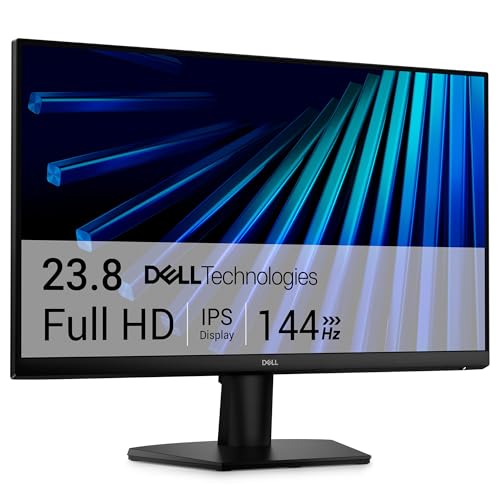
- 144Hz and 1ms MPRT keep motion smooth
- IPS panel offers wide 178° viewing angles
- TÜV 3-star eye comfort certification
Best For: Programmers who want a compact, comfortable everyday monitor
Code-Friendly 16:10 Pro
Asus ProArt PA248QV 24.1-inch 16:10

- 16:10 1920 x 1200 panel adds vertical coding space
- Factory-calibrated IPS with 100% sRGB
- Height, pivot, swivel, and tilt adjustments
Best For: Programmers who want vertical space and accurate color
Budget Eye-Comfort Pick
Philips 24 Inch 100Hz VA Monitor

- 100Hz refresh helps keep scrolling smooth
- VA panel with 3000:1 contrast and wide viewing angles
- Flicker-Free, Blue Light Filter, and EasyRead mode
Best For: Programmers wanting a simple, comfortable office monitor
Refresh-Rate-Friendly Pick
Dell 24 Plus 23.8-inch FHD 144Hz Monitor

- 144Hz refresh rate for smooth motion
- Height, tilt, pivot, and swivel adjustment
- TÜV-certified eye comfort with blue light reduction
Best For: Programmers who want a compact, adjustable monitor with a fast refresh rate
Comfortable Big-Screen Option
LG 27U411A-B 27-inch FHD IPS Monitor

- 27-inch IPS display with wide viewing angles
- 120Hz refresh for smoother motion
- Reader Mode and Flicker Safe for long sessions
Best For: Developers who want a larger screen for multitasking and comfortable reading
Editor’s Pick – BenQ RD280U 4K 3:2 Coding Monitor
If you want a computer monitor for programmers that prioritizes vertical space, eye comfort, and clean text rendering, the BenQ RD280U is built around those needs. Its 3:2 4K panel, Nano Matte finish, and coding-focused display modes make it practical for long sessions spent reading, writing, and reviewing code.
Best For: Developers who want a tall, eye-comfort-focused coding display with premium desk ergonomics.
Pros:
- 3:2 4K resolution gives you more vertical room for code, logs, and docs.
- Nano Matte panel helps reduce glare and reflections.
- MoonHalo backlight and eye-care features are aimed at long work sessions.
- 90W USB-C and KVM support simplify a modern developer workspace.
Cons:
- Renewed condition may not suit buyers wanting a brand-new unit.
- 90-day limited warranty is shorter than many new monitors.
- More specialized toward coding than general entertainment use.
For programmers who value readability and less scrolling over gaming-style specs, this BenQ is a very targeted choice. It focuses on the workday essentials: comfort, clarity, and a layout that fits code better than a standard 16:9 screen.
Color-Accurate Workhorse – ASUS ProArt PA278QV 27” QHD Monitor
The ASUS ProArt PA278QV is a dependable computer monitor for programmers who also care about accurate color, sharp text, and a comfortable desk setup. Its 27-inch QHD IPS panel, anti-glare finish, and highly adjustable stand make it a strong all-around productivity monitor for coding and creative work.
Best For: Programmers who want a well-balanced monitor with accurate colors and ergonomic flexibility.
Pros:
- 2560 x 1440 IPS panel provides a sharp, spacious workspace.
- Calman Verified calibration and 100% sRGB / Rec. 709 suit color-sensitive work.
- Fully adjustable stand supports tilt, pivot, swivel, and height changes.
- USB hub and broad port selection help reduce desk clutter.
Cons:
- 75Hz refresh rate is modest compared with faster displays.
- Not specifically tuned for coding like a dedicated programming monitor.
- Wider creative focus may be more than some developers need.
This ProArt model is a strong choice if you split time between development and visual work. It gives programmers a crisp QHD canvas with dependable ergonomics and accurate color, which makes it easy to recommend for long, practical work sessions.
Fastest Coding Display – BenQ RD280UG 28.2” 120Hz 3:2 Monitor
If you’re shopping for a computer monitor for programmers and want a more fluid feel while still keeping the productivity benefits of a tall screen, the BenQ RD280UG stands out. It combines a 3:2 4K+ panel, 120Hz refresh rate, and coding-focused eye-care features for a smoother and more comfortable development setup.
Best For: Developers who want a high-refresh coding monitor with extra vertical space.
Pros:
- 120Hz refresh rate makes scrolling and cursor movement feel smoother.
- 3:2 aspect ratio shows more code, logs, and documentation at once.
- Nano Matte panel and coding modes are designed for readability.
- MoonHalo backlight and FreeSync support round out the feature set.
Cons:
- More specialized for programming than for mixed media use.
- Only one USB 30 port is listed in the details.
- Premium feature set may be more than basic coding setups require.
This is the most fluid-feeling option in the group, which can matter when you scroll through large files or jump between panes all day. It’s a premium developer monitor that leans hard into both comfort and speed.
Best USB-C Option – ASUS ProArt PA278CV 27” USB-C QHD Monitor
The ASUS ProArt PA278CV is a practical computer monitor for programmers who want a clean single-cable desk setup without giving up a sharp QHD screen. With USB-C charging, an ergonomic stand, and a 27-inch IPS panel, it works well for everyday development, especially if you switch between a laptop and external display.
Best For: Programmers who want USB-C convenience and a comfortable all-purpose coding monitor.
Pros:
- USB-C with 65W power delivery reduces cable clutter.
- 27-inch 2560 x 1440 IPS panel gives a crisp, usable workspace.
- Ergonomic stand supports pivot, tilt, and height adjustment.
- DisplayPort daisy-chaining can help build multi-monitor setups.
Cons:
- 75Hz refresh rate is standard rather than high-end.
- 16:9 format offers less vertical space than 3:2 coding-focused displays.
- Not as specialized for programmers as BenQ’s dedicated coding models.
For developers who value convenience, this ASUS makes setup easy while still delivering a sharp and comfortable screen. It’s especially appealing if you work from a laptop and want one cable for display output and charging.
Smooth Everyday IPS – Dell 24 Monitor – 23.8-inch FHD 144Hz IPS
If you want a computer monitor for programmers that also handles day-to-day media and light gaming well, this Dell 24 keeps the basics strong. The 23.8-inch IPS panel delivers consistent color and a wide 178° viewing angle, while the 144Hz refresh rate and 1ms MPRT make scrolling and motion look smooth.
Best For: Programmers who want a compact IPS display with high refresh rate comfort for long desk sessions.
Pros:
- 144Hz refresh rate with 1ms MPRT for smooth motion and scrolling
- IPS panel with wide 178°/178° viewing angles
- TÜV Rheinland 3-star eye comfort certification helps reduce harmful blue light
- Ultra-thin bezels and matte finish suit a clean desktop setup
Cons:
- 1080p resolution on a 23.8-inch screen is less spacious than 16:10 or higher-resolution options
- Basic tilt-only adjustment limits ergonomic flexibility
- Built mainly for HDMI connections, so it is less flexible than USB-rich monitors
Overall, this is a practical programming monitor if you value smooth movement, solid IPS clarity, and eye-comfort features over extra workspace. It is a sensible everyday choice for coding, browsing, and general desktop use.
Code-Friendly 16:10 Pro – Asus ProArt PA248QV 24.1-inch 16:10
Asus ProArt Display PA248QV 24.1 inches WUXGA (1920 x 1200) 16:10 Monitor (Renewed)
Check Price On AmazonThe Asus ProArt PA248QV is a strong computer monitor for programmers who want extra vertical space and a more adjustable desk setup. Its 24.1-inch 16:10 WUXGA panel gives you 1920 x 1200 resolution, and the factory-calibrated IPS display is verified for accurate color with 100% sRGB and 100% Rec. 709 coverage.
Best For: Programmers who want more vertical screen space, accurate color, and flexible ergonomics.
Pros:
- 16:10 1920 x 1200 resolution gives more vertical room for code and documents
- Calman Verified with factory calibration for strong color accuracy
- 100% sRGB and 100% Rec. 709 support
- Highly adjustable stand with height, swivel, pivot, and tilt
Cons:
- Renewed listing with a 90-day limited warranty
- Glossy screen finish may be less ideal in bright environments
- Not a high-refresh gaming-first model
If your priority is a coding-friendly workspace, this ProArt monitor stands out for its 16:10 layout and ergonomic flexibility. It is especially appealing for developers who also care about accurate visuals and a professional desktop setup.
Budget Eye-Comfort Pick – Philips 24 Inch 100Hz VA Monitor
The Philips 241V8LB is a straightforward computer monitor for programmers who want a low-fuss desk display for code, office work, and mixed everyday use. It offers a 23.8-inch Full HD VA panel with 100Hz refresh, strong 3000:1 contrast, and an extra-wide 178/178 viewing angle for consistent viewing.
Best For: Programmers who want an affordable, eye-comfort-focused monitor for office and desktop work.
Pros:
- 100Hz refresh rate keeps scrolling smoother than basic 60Hz displays
- VA panel provides deeper blacks and strong 3000:1 contrast
- Flicker-Free, Blue Light Filter, and Eye Care features support long sessions
- EasyRead mode is useful for viewing lengthy documents
Cons:
- 1080p resolution offers less workspace than 16:10 alternatives
- VA panels can be less ideal than IPS for color consistency at a glance
- Only basic connectivity with HDMI and VGA
For programmers who mainly need a dependable, comfortable display without extra bells and whistles, this Philips model covers the essentials well. It is best viewed as a practical productivity monitor rather than a premium coding workstation upgrade.
Refresh-Rate-Friendly Pick – Dell 24 Plus 23.8-inch FHD 144Hz Monitor
If you want a computer monitor for programmers that also feels smooth for everyday use, this Dell 24 Plus makes a practical case. The 23.8-inch FHD panel keeps text and windows easy to manage, while the height, tilt, pivot, and swivel adjustments help you dial in a comfortable coding setup.
Best For: Programmers who want a compact, adjustable monitor with a fast refresh rate and built-in speakers.
Pros:
- 144Hz refresh rate and 1ms MPRT for smooth scrolling and responsive general use.
- Height, tilt, pivot, and swivel adjustments make it easier to match your desk setup.
- 4-star TÜV-certified eye comfort with reduced blue light and flicker-free support.
- Built-in dual 3W speakers add convenience if you want a simpler workspace.
Cons:
- FHD resolution on a 24-inch screen is less sharp than QHD options for dense code viewing.
- Brightness and contrast are solid, but not aimed at high-end color-critical work.
This is a balanced pick if you value comfort, adjustability, and a smoother display experience over maximum pixel density. For coding on a smaller desk, it covers the essentials well without feeling overbuilt.
Comfortable Big-Screen Option – LG 27U411A-B 27-inch FHD IPS Monitor
For a computer monitor for programmers, this LG 27-inch IPS model focuses on space, comfort, and clean visuals. The larger screen gives you more room for code, docs, and browser tabs, while Reader Mode and Flicker Safe are useful touches for long work sessions.
Best For: Developers who want a larger 27-inch screen for multitasking, reading, and everyday productivity.
Pros:
- 27-inch IPS panel offers wide viewing angles and a more spacious work area.
- 120Hz refresh rate keeps motion smoother than standard office displays.
- Reader Mode and Flicker Safe are designed for more comfortable extended viewing.
- 3-side virtually borderless design is helpful for dual-monitor setups.
Cons:
- Full HD on a 27-inch screen is less sharp than higher-resolution alternatives.
- Only one HDMI port limits flexibility if you switch devices often.
This LG is a sensible choice if you prefer screen size and comfort over pixel density. It should suit most programming workflows well, especially if you like having multiple windows open at once.
Sharpest Coding Value – KTC 24-inch QHD 100Hz IPS Monitor
If you’re shopping for a computer monitor for programmers and care most about text clarity, this KTC stands out. Its 24-inch QHD 1440p resolution gives you more usable detail than a typical FHD monitor, and the IPS panel with 99% sRGB coverage keeps visuals consistent for everyday work.
Best For: Programmers who want sharper text and more workspace in a compact 24-inch form factor.
Pros:
- QHD 2560 x 1440 resolution on a 24-inch screen delivers excellent text sharpness.
- 100Hz refresh rate with FreeSync and G-Sync support adds smoothness for mixed work and play.
- IPS panel with 99% sRGB coverage and wide viewing angles supports accurate, consistent visuals.
- Anti-blue-light and flicker-free features help during long coding sessions.
Cons:
- 7ms response time is fine for productivity, but not class-leading for fast gaming.
- Built around DisplayPort and HDMI connectivity rather than a broad port selection.
For most coding-heavy setups, this is the strongest display-quality option of the three. The combination of 24-inch size and QHD resolution makes it especially appealing if you want sharper code without moving up to a larger monitor.
How We Picked the Best Computer Monitor for Programmers
For this roundup, we prioritized models that make code easier to read and workspaces easier to manage. That means strong text sharpness, practical screen sizes, flexible stands, and features that help during long sessions such as flicker reduction, low-blue-light modes, and matte panels. We also considered connectivity and value, since a Computer Monitor for Programmers should fit both a desk setup and a workflow.
Quick Comparison
In general, 27-inch QHD monitors remain the safest all-around choice for most developers. If you want more vertical space for code, 16:10 and 3:2 screens stand out. Larger 28-inch 4K-class productivity monitors are best for people who want extra workspace and crisp text. High refresh rate options are nice to have, but for programming, resolution, ergonomics, and panel quality usually matter more than gaming specs.
Key Buying Factors for a Computer Monitor for Programmers
Resolution and Text Clarity
Sharper text is one of the biggest quality-of-life upgrades you can get. QHD on a 27-inch display is a sweet spot, while 4K or 4K+ models offer even cleaner code if your system and scaling settings can handle them. For smaller budgets, 1920 x 1200 can be better than standard 1080p because it adds valuable vertical room.
Aspect Ratio and Screen Height
Programming often benefits from extra vertical space. A 16:10 or 3:2 monitor lets you see more lines of code, logs, or documentation without constant scrolling. Standard 16:9 is still fine, especially if you want a familiar layout or split-screen flexibility.
Ergonomics and Eye Comfort
Look for height, tilt, swivel, and pivot adjustments so the monitor fits your posture instead of forcing you to adapt. Anti-glare or matte coatings help in bright rooms, and eye-care features can reduce fatigue during long workdays.
Connectivity and Workflow Features
USB-C with power delivery is a major convenience for laptop users. KVM support can be useful if you switch between multiple devices. If you use a dock or multiple inputs, make sure the monitor has the ports you need before focusing on extras.
Who Should Buy Which Computer Monitor for Programmers?
If you mainly want the best all-around Computer Monitor for Programmers, choose a 27-inch QHD model with good ergonomics. If you read and write code for many hours a day and want more vertical room, pick a 16:10 or 3:2 display. If you work across a laptop and desktop setup, prioritize USB-C and KVM. Budget-focused buyers can still get a solid experience from a good 1080p or 1200p panel, especially if it has an IPS screen and a fully adjustable stand.
For developers who also care about media, multitasking, or occasional gaming, a higher refresh rate can be a bonus. But for most programmers, the best monitor is the one that keeps text crisp, posture comfortable, and workflow efficient.