If you solder small components, inspect boards, or rework fine-pitch joints, the right scope can make a huge difference in accuracy and comfort. A good stereo microscope for soldering gives you depth, space to work, and a clearer view of your iron tip and pads.
Below, we’ve rounded up 10 strong options for electronics repair, from simple binocular models to digital and trinocular setups with camera support.
Best 10 Stereo Microscope for Soldering Picks for 2026
Best for Feature-Rich Soldering Stations
Andonstar AD249S-M Plus 10.1'' HDMI Microscope

- Three-lens system for soldering, inspection, and slides
- 10.1-inch display with HDMI output and 2160P recording
- Boom-arm station adds helping hands, tool holder, and storage
Best For: Electronics hobbyists and repair users who want an all-in-one soldering microscope station.
Best for Bench Work
AmScope SE400X Binocular Stereo Microscope

- Binocular stereo viewing for better depth perception
- Boom-arm stand frees up space for boards and tools
- LED lighting improves visibility on solder joints
Best For: Makers and repair users who need a flexible stereo microscope for soldering on a busy bench.
Best LCD Soldering View
TOMLOV DM9 7" Digital Microscope

- 7-inch LCD for easy, low-strain viewing
- 12MP camera with 1080P output
- USB PC view plus 16GB storage
Best For: Hobbyists and repair users who want a simple screen-based microscope for PCB inspection and solder rework.
Best for Precision Work
Trinocular Zoom Microscope with Boom Stand
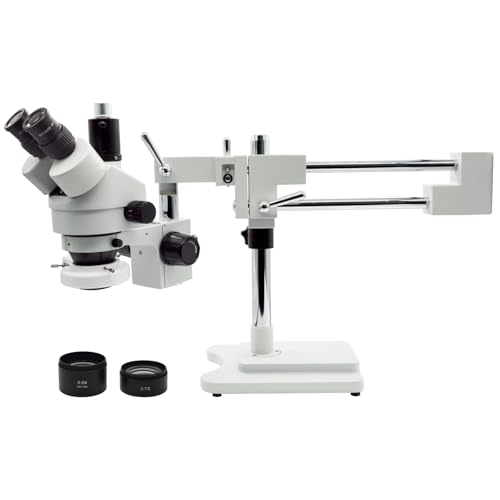
- 3.5X-90X zoom for inspection and fine soldering
- Double-arm boom stand leaves room for tools and boards
- Trinocular head supports camera add-ons
Best For: Electronics hobbyists and repair techs who need flexible magnification and extra working space.
Best for Bench Flexibility
AmScope 8X Binocular Stereo Microscope

- 8X binocular view for soldering and inspection
- 360-degree revolving head for easier positioning
- Gooseneck illuminator included for targeted lighting
Best For: Hobbyists and electronics repair users who want a flexible bench microscope for soldering and inspection.
Best for Built-In Viewing
LCD Digital Microscope with 4.3" HD Screen

- 4.3-inch display for easy hands-on viewing
- 1080P video and 10MP camera for inspection
- Wireless USB support for flexible use
Best For: Users who want a screen-based microscope for soldering and basic recording.
Best for Camera-Ready Soldering
Kaisi TX-350E Trinocular Microscope

- Camera-friendly trinocular head
- Wide WF10x23 eyepieces
- 7x-50x zoom with LED light and exhaust fan
Best For: Electronics repairers who want a camera-ready microscope with a comfortable viewing setup.
Best for Flexible Viewing
5" LCD Digital Soldering Microscope

- Flexible goose-neck stand for awkward board angles
- 5" IPS display with 8 LEDs for clearer close-up work
- 1080P PC view for larger inspection during repairs
Best For: Hobbyists and repair users who need an adjustable microscope for electronics work and detailed bench inspection.
Best for 4K Imaging
HengTianMei TX-350E 4K Trinocular Microscope

- 4K trinocular camera for clear capture and sharing
- 7X-50X zoom suits soldering, repair, and inspection
- LED ring light and smoke exhaust fan add convenience
Best For: Bench repairers who want 4K capture alongside a flexible stereo microscope for soldering.
Best for Camera Integration
Kaisi Trinocular Stereo Microscope

- Trinocular head keeps eyepiece viewing usable with a camera attached
- 7X-50X zoom suits soldering, inspection, and electronics repair
- Includes ring light, exhaust fan, and a large silicone work mat
Best For: Electronics repairers who want a camera-ready stereo microscope with a full soldering workstation setup.
Best for Feature-Rich Soldering Stations – Andonstar AD249S-M Plus 10.1'' HDMI Microscope
If you want a stereo microscope for soldering that also doubles as a complete bench station, the Andonstar AD249S-M Plus is built for that role. It combines a large 10.1-inch display, HDMI output, and a flexible boom-arm setup with helping hands, making it easier to inspect boards, hold components, and work comfortably at the bench.
Best For: Electronics hobbyists and repair users who want an all-in-one soldering microscope station with extra workspace and viewing flexibility.
Pros:
- Three-lens system covers soldering, general inspection, and slide viewing
- 10.1-inch screen plus HDMI output for easier shared viewing and larger displays
- Upgraded boom arm station includes helping hands, tool holder, and storage boxes
- Records in 2160P UHD and supports Windows measurement software
Cons:
- More of a bench setup than a compact portable microscope
- Extra features may be overkill if you only need basic solder inspection
- Lens changes and setup take a little more effort than simpler models
For buyers who want a stereo microscope for soldering with real bench utility, this Andonstar stands out for its integrated station design and larger-screen workflow. It is especially appealing if you want inspection, recording, and hands-free support in one package.
Best for Bench Work – AmScope SE400X Binocular Stereo Microscope
If you want a stereo microscope for soldering that feels purpose-built for hands-on electronics work, the AmScope SE400X is a solid bench companion. The binocular head, 5x and 10x eyepieces, and 1x objective give you a practical low-to-moderate magnification range for inspecting joints, aligning components, and catching bridge defects before they become problems.
Best For: Makers, repair techs, and hobbyists who want a straightforward stereo microscope for soldering with a boom-arm setup.
Pros:
- Binocular stereo view makes it easier to judge depth while working on small parts
- Boom-arm stand gives you more room to position PCBs and tools underneath
- LED lighting helps illuminate solder joints and fine details clearly
- Useful magnification range for inspection, rework, and general bench tasks
Cons:
- 110V-120V power limits it to standard U.S.-style outlets
- Not the best choice if you need very high magnification for ultra-fine inspection
Overall, the SE400X is a practical stereo microscope for soldering when you want comfortable binocular viewing, flexible positioning, and enough magnification for everyday electronics work without overcomplicating the setup.
Best LCD Soldering View – TOMLOV DM9 7" Digital Microscope
If you want a stereo microscope for soldering-style inspection without moving straight to a bench-top lab setup, the TOMLOV DM9 is a practical all-in-one pick. Its 7-inch LCD makes it easy to view joints, boards, coins, and small parts in real time, while the 12MP camera and 1080P output give you enough detail for close work and documentation.
Best For: Hobbyists and repair users who want a simple, screen-based microscope for PCB inspection, solder touch-ups, and other close-up bench tasks.
Pros:
- Large 7-inch display reduces eye strain and makes positioning easier
- 12MP imaging and 1080P video are solid for detailed inspection
- USB/PC viewing adds flexibility for capture and larger-screen use
- Included 16GB storage helps you save photos and clips right away
Cons:
- Not a true stereo optical microscope, so depth perception is limited
- Best suited to inspection and rework rather than heavy-duty lab use
Overall, the DM9 is a good value if you want a straightforward stereo microscope for soldering tasks in the sense of fast, comfortable visual inspection on a screen. It trades optical stereo viewing for convenience, making it a strong choice for casual electronics work and small repair jobs.
Best for Precision Work – Trinocular Zoom Microscope with Boom Stand
If you want a stereo microscope for soldering that gives you extra reach, this trinocular zoom model is built for bench work, inspection, and hands-on repair. The 3.5X-90X range, boom stand, and LED ring light make it easier to see fine joints, align parts, and keep tools clear while you work.
Best For: Electronics hobbyists and repair techs who need a flexible, higher-magnification setup for detailed soldering and inspection tasks.
Pros:
- Wide 3.5X-90X magnification range handles both overview and fine detail
- Double-arm boom stand offers generous working space over larger boards
- Trinocular head supports camera attachment for documentation or live viewing
- LED ring light helps improve visibility on small solder joints
Cons:
- More setup-heavy than compact bench microscopes
- High magnification can narrow the field of view for general use
- May be more microscope than casual soldering users need
Overall, this is a capable stereo microscope for soldering if you need reach, flexibility, and enough magnification to inspect detailed work closely. It suits users who want a more serious bench tool rather than a basic starter scope.
Best for Bench Flexibility – AmScope 8X Binocular Stereo Microscope
If you need a stereo microscope for soldering that gives you room to work and a clear view of small joints, the AmScope SE508 is a practical shop-friendly pick. Its 8X binocular setup, 360-degree revolving head, and included gooseneck illuminator make it easy to position the image and light where you need them for inspection, rework, and general electronic repair.
Best For: Hobbyists, electronics techs, and bench users who want a versatile stereo microscope for soldering with flexible lighting and easy viewing.
Pros:
- 8X magnification is a useful middle ground for soldering, inspection, and light repair work
- Binocular design and revolving head help reduce awkward bench positioning
- Gooseneck illuminator improves visibility on small pads, leads, and components
- Versatile enough for lab, dental, shop, and electronic repair use
Cons:
- 8X may feel limited if you need very high magnification for micro-soldering
- Bulkier than simpler digital or handheld inspection tools
Overall, the SE508 is a solid value-focused choice if you want a stereo microscope for soldering that balances magnification, comfort, and workspace flexibility. It is especially appealing for users who need a dependable bench microscope with built-in lighting rather than a stripped-down inspection scope.
Best for Built-In Viewing – LCD Digital Microscope with 4.3" HD Screen
If you want a stereo microscope for soldering that feels straightforward to use, this LCD digital microscope is built around a 4.3-inch HD display instead of a traditional eyepiece setup. That makes it easier to position your hands, inspect joints, and share the view with others while working on small electronics.
Best For: Hobbyists and repair users who want a screen-based microscope for soldering, inspection, and basic video capture.
Pros:
- 4.3-inch screen makes it easier to view work without leaning into eyepieces
- 1080P output and 10MP camera support clear close-up inspection and recording
- 1-1000X zoom gives flexible range for general bench work and detail checks
- Wireless USB connectivity adds convenience for setup and file transfer
Cons:
- Not a true optical stereo microscope, so depth perception may be less natural
- High max magnification is less practical than the headline number suggests
- Screen-based design may take up more bench space than simpler scopes
For buyers prioritizing visibility and convenience over a traditional binocular feel, this is a practical stereo microscope for soldering alternative. It suits quick PCB inspection, rework, and occasional documentation well, especially if you prefer working off a built-in display.
Best for Camera-Ready Soldering – Kaisi TX-350E Trinocular Microscope
If you want a stereo microscope for soldering that’s built around hands-on electronics repair, the Kaisi TX-350E is a strong fit. Its trinocular head is designed for camera use without giving up the left eyepiece view, and the 7x-50x zoom range gives you enough flexibility for inspection, rework, and component-level troubleshooting.
Best For: Electronics repair benches where you want live viewing and camera capture without sacrificing comfort or working clearance.
Pros:
- Trinocular design keeps the eyepiece view usable while mounting a camera
- WF10x23 eyepieces offer a wider, more comfortable field of view
- 7x-50x zoom is flexible for soldering, inspection, and detail work
- Includes LED ring light and smoke exhaust fan for cleaner, clearer work
Cons:
- Larger footprint than a basic bench microscope setup
- 10 cm working distance may feel tight for bulkier boards or tools
- More features can mean more setup than a simple fixed-magnification unit
For buyers who want a stereo microscope for soldering with better viewing comfort and camera-friendly workflow, the TX-350E stands out as a practical all-in-one repair station rather than just a basic inspection scope.
Best for Flexible Viewing – 5" LCD Digital Soldering Microscope
If you want a stereo microscope for soldering that is easy to position over crowded boards, this 5-inch LCD model is built around flexibility. The movable gooseneck stand, bright 8-LED lighting, and PC-view option make it a practical choice for close-up inspection, solder-joint work, and other bench tasks where a fixed stand can get in the way.
Best For: Hobbyists and repair users who need an adjustable microscope for electronics work, coin inspection, and detailed bench viewing.
Pros:
- Flexible stand makes it easier to aim at awkward soldering angles
- 5" IPS screen helps reduce eye and neck strain during longer sessions
- 1080P PC viewing gives you a larger workspace view without extra software
- 8 LEDs improve visibility on small joints and dark components
Cons:
- Not auto-focus, so setup takes manual distance and focus adjustment
- Micro SD card is required for recording and is not included
- 1000X magnification is digital and may be overkill for some soldering tasks
As a stereo microscope for soldering, this one stands out more for convenience and positioning than for a true lab-style optical build. It makes sense if you want a compact, screen-based inspection tool that’s simple to aim, easy to view, and useful for everyday electronics repair.
Best for 4K Imaging – HengTianMei TX-350E 4K Trinocular Microscope
If you want a stereo microscope for soldering that also makes it easy to document your work, the HengTianMei TX-350E stands out with its 4K trinocular camera and adjustable 7X-50X zoom. The WF10x eyepieces, focus control, and roomy work area make it practical for board-level repair, watch work, and detailed inspection.
Best For: Bench repairers who want a soldering microscope with 4K capture, comfortable viewing, and enough magnification flexibility for mixed tasks.
Pros:
- 4K trinocular camera is useful for live viewing, recording, and sharing repairs
- 7X-50X zoom with focus adjustment handles a wide range of soldering tasks
- WF10x eyepieces and adjustable eye distance improve day-to-day comfort
- Includes LED ring light and smoke exhaust fan for a more complete setup
Cons:
- Camera features may be more than some users need for simple bench work
- Trinocular systems can take more space than compact stereo microscope options
Overall, this is a strong stereo microscope for soldering if you want inspection-grade viewing plus a built-in way to capture your work. It is especially appealing for users who repair electronics and small objects and want one setup that can do both viewing and documentation.
Best for Camera Integration – Kaisi Trinocular Stereo Microscope
If you need a stereo microscope for soldering that works well for both hands-on inspection and camera capture, the Kaisi Professional Trinocular Stereo Microscope is built around that workflow. Its trinocular head keeps the eyepiece view aligned while you add imaging, and the 7X-50X zoom range gives you enough flexibility for board-level repair, part inspection, and general electronics work.
Best For: Electronics repairers and soldering hobbyists who want trinocular convenience, a wide viewing area, and useful work-surface accessories in one setup.
Pros:
- Trinocular design supports camera use without giving up the left eyepiece view
- 7X-50X zoom range covers detailed soldering and component inspection
- WF10x23 eyepieces offer a wider field of view and a more comfortable stance
- Includes LED ring light, soldering exhaust fan, and a large silicone work floor
Cons:
- More of a workstation setup than a simple plug-and-play microscope
- Working distance and lens position may need careful adjustment for the clearest focus
For buyers comparing a stereo microscope for soldering, this Kaisi model stands out because it combines imaging support, a practical zoom range, and helpful bench accessories in a single repair-focused package.
How We Picked the Best Stereo Microscope for Soldering
We focused on the features that matter most for bench work: true stereo viewing, usable working distance, stable stands, practical magnification ranges, and lighting that helps you see joints without washing them out. For digital models, we also looked at screen quality, recording capability, and ease of use on a crowded repair desk.
Quick Comparison
In general, binocular and trinocular stereo microscopes are the best fit when you need depth perception and space to solder comfortably. Digital LCD models are better if you want a shared viewing screen, easier posture, or video capture for documentation and teaching. Higher magnification is not automatically better; for soldering, a lower-to-mid range with a generous working distance is often more useful than extreme zoom.
Key Buying Factors for a Stereo Microscope for Soldering
Magnification Range
Choose enough magnification to inspect fine-pitch parts, but keep in mind that higher power usually reduces field of view and working distance. Many users find a practical range around 7X to 50X ideal for detailed electronics work.
Working Distance and Depth of Field
A Stereo Microscope for Soldering should leave room for tools, tweezers, and the soldering iron. Look for a setup that lets you work comfortably under the objective without constantly bumping the lens or losing focus on the joint.
Optics and Viewing Style
Binocular models are straightforward and reliable. Trinocular versions add a camera port, which is useful if you want to capture images, stream work, or use a monitor. Digital microscopes can be easier for long sessions if you prefer a screen over eyepieces.
Lighting and Stand Stability
Good lighting is essential for seeing solder flow and pad details, especially on dark PCBs. Also pay attention to the stand, boom arm, or base design; a wobbly setup can slow you down and make precision work harder.
Comfort and Workflow
If you spend hours at the bench, consider eye relief, head position, and whether you prefer direct viewing or an LCD display. Comfort matters more than raw magnification when the goal is clean, repeatable soldering.
Who Should Buy Which Stereo Microscope for Soldering?
If you mainly repair boards and want a traditional bench setup, a binocular or trinocular microscope is usually the best choice. If you want to record repairs, show work on a monitor, or reduce neck strain, a digital microscope may be the better fit. Beginners often do well with a simpler model, while advanced users and professionals may prefer a trinocular Stereo Microscope for Soldering with camera expansion and broader accessory support.
For most buyers, the best option is the one that balances clear optics, enough working room, and a setup that matches how you actually solder day to day.