Excessive classroom noise can make instruction harder, distract students, and leave teachers guessing about when a room has become too loud. A visible sound level meter provides an objective signal students and staff can understand quickly.
We selected 10 options ranging from portable SPL testers to wall-mounted monitors with traffic-light indicators, alarms, environmental readouts, and data logging. The best choice depends on whether you need simple feedback, long-term records, or a prominent display for the entire room.
Best 10 Sound Level Meters for Classrooms Picks for 2026
Best Handheld Pick

- 30–130 dB range with A/C weighting
- Backlit 2.25-inch display
- MAX/MIN, data hold, batteries, and case
Best For: Portable classroom noise spot checks
Best Visual Classroom Monitor
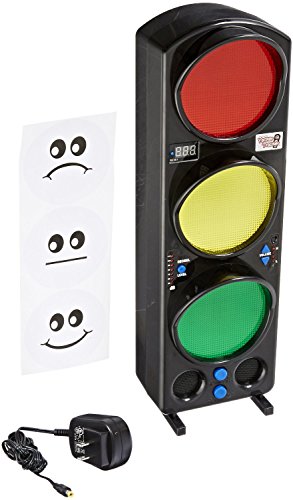
- Red/yellow/green LED signals
- Teacher-adjustable noise thresholds
- 17-inch display for room visibility
Best For: Visual classroom noise awareness
Best Measurement Flexibility
Tadeto SL720 Sound Level Meter
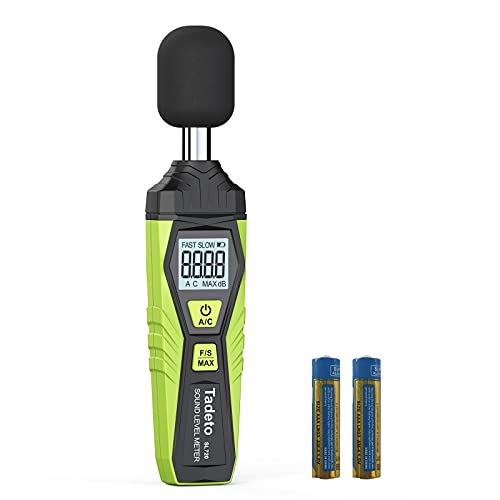
- 30–130 dB range and 0.1 dB resolution
- A/C weighting with fast and slow modes
- Backlit display with MAX and data hold
Best For: Versatile handheld school noise measurements
Best Plug-In Monitor

- Always-on 30–130 dBA monitoring
- Color bars show noise levels at a glance
- Adds temperature and humidity readings
Best For: Continuous wall or desktop classroom monitoring
Best for Logged Classroom Data
Rechargeable Data-Logging Sound Level Meter

- Stores up to 3,100 records with PC export
- Measures up to 130 dB with ±1.5 dB accuracy
- Visual alarms and up to 8 hours per charge
Best For: Classroom noise tracking and documentation
Best for Wall-Mounted Visibility
Large-Screen Wall-Hanging Decibel Meter

- Large red LCD is designed for easy viewing
- Wall-hanging format suits fixed monitoring
- Digital decibel measurement with automatic operation
Best For: Stationary, at-a-glance classroom displays
Best for Straightforward Spot Checks
Classroom Digital Sound Level Meter

- 30–130 dB range with ±1.5 dB accuracy
- FAST/SLOW, MAX/MIN, and HOLD controls
- Backlit display with automatic power saving
Best For: Portable classroom noise spot checks
Best Large Classroom Display

- Large adjustable-brightness LED screen
- Visual face-icon noise indicators
- 30–130dB range with calibration
Best For: Classrooms needing a prominent visual noise monitor
Best for Noise Tracking
13-Inch Data-Logging Sound Meter

- Stores up to one year of readings
- 16.4-foot remote sound sensor
- Large display with audible and visual alarms
Best For: Schools that want classroom noise data for later analysis
Best All-in-One Monitor

- Shows sound, time, temperature, and humidity
- Adjustable buzzer and visual alerts
- Listed ±1dB sound accuracy
Best For: Spaces wanting noise and environmental readings together
Best Handheld Pick – TopTes TS-501B Decibel Meter
For shoppers comparing sound level meters for classrooms, the TopTes TS-501B is a practical handheld option for checking noise around a room. Its 30–130 dB range, A/C weighting, backlit display, and MAX/MIN readings support quick spot checks during lessons, group work, or school activities.
Best For: Teachers and staff who want a portable meter for occasional classroom noise checks.
Pros:
- Measures 30–130 dB with A- and C-weighting and stated ±1.5 dB accuracy.
- Large 2.25-inch backlit LCD is easier to read in dim conditions.
- MAX/MIN and data-hold functions help capture changing noise levels.
- Includes three AAA batteries and a carrying case.
Cons:
- Requires handheld operation rather than providing a continuous wall-mounted classroom display.
- Its orange, portable design may be less discreet for permanent classroom placement.
The TS-501B is a well-rounded choice when portability and straightforward measurements matter more than automated monitoring. The backlight, grip-friendly design, and included case make it convenient for moving between classrooms.
Best Visual Classroom Monitor – Yacker Tracker Noise Monitor
Among sound level meters for classrooms, the Yacker Tracker stands out as a visual noise-management aid rather than a handheld measurement tool. Its large red, yellow, and green LED signals give students an immediately understandable indication of whether room noise is within the teacher’s preset preference.
Best For: Teachers who want an at-a-glance visual cue for managing classroom noise.
Pros:
- Traffic-light-style red, yellow, and green signals are easy to understand.
- Noise thresholds can be preset by a teacher or adult.
- Designed for classrooms, cafeterias, gyms, and varied age or ability groups.
- Its 17-inch format is intended to be visible across a room.
Cons:
- Does not provide a numerical decibel reading in the supplied specifications.
- Uses a 120-volt AC adapter, limiting placement flexibility compared with battery meters.
The Yacker Tracker is best viewed as a classroom behavior and awareness tool. It is a strong fit when students need a simple visual reminder, but buyers seeking recorded or precise dB readings should consider a digital meter instead.
Best Measurement Flexibility – Tadeto SL720 Sound Level Meter
The Tadeto SL720 is a useful option for buyers seeking sound level meters for classrooms with more control over measurement behavior. It covers 30–130 dB, offers A/C weighting, and includes selectable fast and slow response modes for either quick changes or steadier environmental readings.
Best For: School staff who want a lightweight digital meter for classroom checks and broader facility monitoring.
Pros:
- 30–130 dB range with stated ±2.0 dB accuracy and 0.1 dB resolution.
- A-weighting supports ambient-noise checks, while C-weighting supports louder sound analysis.
- Fast 0.125-second and slow 1-second response modes suit different noise patterns.
- Backlit LCD, MAX/data hold functions, and lightweight construction aid field use.
Cons:
- Its stated accuracy is less precise than the TopTes model in this roundup.
- The supplied notes do not mention included batteries or a carrying case.
The SL720 makes sense for users who value response-mode flexibility and a clear digital readout. It can serve classrooms as well as offices, homes, construction sites, and other school areas, though it is still a handheld instrument rather than a permanent monitor.
Best Plug-In Monitor – VETOUCH 3-in-1 Decibel Meter
For classrooms that benefit from continuous visibility, the VETOUCH L6101 offers a plug-in alternative to handheld sound level meters for classrooms. It monitors 30–130 dBA and uses color-coded bars to show noise ranges, while also tracking temperature and humidity from a wall or desktop position.
Best For: Classrooms needing an always-on visual noise display with environmental readings.
Pros:
- Color bars identify ranges from green below 60 dBA through red at 85 dBA or higher.
- Plug-in design starts monitoring without complicated setup.
- Fast and slow response modes support burst detection or steadier readings.
- Also displays temperature, humidity, 24-hour MAX/MIN data, and a hold reading.
Cons:
- Requires access to an outlet rather than operating as a standalone battery meter.
- Its supplied range is specified in dBA, without a C-weighting option noted.
- The added temperature and humidity features may be unnecessary for buyers seeking only sound readings.
The L6101 is a strong choice when visibility and continuous operation are priorities. Its color thresholds, adjustable brightness, screen rotation, and wall-mount capability make it more suitable for ongoing classroom display than pocket-style meters.
Best for Logged Classroom Data – Rechargeable Data-Logging Sound Level Meter
For classrooms that need more than a quick spot check, this data-logging meter combines a 30–130 dB(A) range with recording, computer export, and visual alerts. It is a practical choice among sound level meters for classrooms when you want to review noise patterns over time.
Best For: Teachers, administrators, and facilities staff who need rechargeable operation, stored readings, and PC-based data review.
Pros:
- Stores up to 3,100 data records and supports PC data export on Windows 7, 10, and 11.
- Measures 30–130 dB(A) and 35–130 dB(C) with stated ±1.5 dB accuracy.
- Three-color light alerts, a graphical display, and a warning icon make elevated readings easier to notice.
- Runs for up to 8 hours per charge and uses a convenient USB-C connection.
Cons:
- Its recording and export features may be more than needed for occasional classroom checks.
- The supplied notes specify Windows compatibility, so other operating systems are not confirmed.
This is the most feature-rich option here for documenting classroom noise, especially when recurring measurements or reports matter. Its rechargeable design and visual alarms also support routine monitoring without relying solely on a live numerical reading.
Best for Wall-Mounted Visibility – Large-Screen Wall-Hanging Decibel Meter
This wall-hanging meter is designed for at-a-glance viewing, making it useful when a classroom or shared learning space needs a prominent digital noise display. Its large red LCD is the main reason to consider it among sound level meters for classrooms.
Best For: Classrooms, activity rooms, or school areas where a fixed, easy-to-see decibel display is preferred.
Pros:
- Large-screen LCD display supports visibility from across a room.
- Wall-hanging design can provide a dedicated, stationary noise-monitoring point.
- Measures sound levels in decibels using an automatic digital operation mode.
Cons:
- The supplied notes do not specify accuracy, response modes, data logging, or battery life.
- Its 0.6 kg weight and wall-hanging format make it less portable than handheld meters.
Choose this model when visibility and fixed placement matter more than advanced measurement features. Because the available specifications are limited, it is best suited to straightforward display needs rather than detailed classroom noise analysis.
Best for Straightforward Spot Checks – Classroom Digital Sound Level Meter
For quick classroom inspections, this handheld meter offers a 30–130 dB range, 0.1 dB resolution, and controls for response speed and held readings. It is a practical entry-level option among sound level meters for classrooms where simple, repeatable spot measurements are the priority.
Best For: Teachers and school staff who want a portable meter for checking classroom, office, hallway, or activity-area noise.
Pros:
- Measures 30–130 dB with stated ±1.5 dB accuracy and 0.1 dB display resolution.
- A-weighted measurement is suitable for general environmental sound checks.
- FAST and SLOW response modes help adapt readings to changing or steadier sound levels.
- MAX/MIN and HOLD functions make peak readings and observed values easier to review.
Cons:
- It requires battery replacement when the low-power indicator appears.
- Automatic shutdown occurs after three minutes, which may interrupt longer checks.
- The supplied notes do not mention data logging or computer export.
This model offers a balanced set of practical controls without the added complexity of stored data. Its backlight, HOLD function, and MAX/MIN readings make it well suited to quick checks during lessons, transitions, or school noise assessments.
Best Large Classroom Display – 11-Inch LED Sound Level Meter
For classrooms needing an easy-to-see visual reference, this sound level meter for classrooms combines an 11-inch adjustable-brightness LED display with decibel, temperature, and humidity readings. Its face icons provide quick visual feedback without an audible alarm.
Best For: Teachers and facility managers who want a large wall- or desktop-mounted noise display with quiet visual alerts.
Pros:
- Large 11-inch display is designed for visibility from across a room.
- 30–130dB range and stated ±1.5dB accuracy.
- Color-coded face icons indicate readings below 60dB, 60–75dB, 75–85dB, and above 85dB.
- Includes calibration functionality, a 2,000mAh battery, and a 9.8-foot charging cable.
Cons:
- Provides visual alerts rather than an audible alarm.
- Temperature and humidity readings may be unnecessary if you only need sound monitoring.
This is a practical choice when visibility and simple visual feedback matter most. Wall mounting, desktop placement, adjustable brightness, and calibration make it flexible for classroom use.
Best for Noise Tracking – 13-Inch Data-Logging Sound Meter
This sound level meter for classrooms is built for monitoring and reviewing noise over time. It records readings every two seconds, stores up to one year of data, and uses a large 13-inch display with a remote 16.4-foot sensor.
Best For: Schools that need classroom noise records for analysis, reporting, or longer-term facility monitoring.
Pros:
- Logs decibel data every two seconds and can store one year of data.
- Real-time data can be displayed and exported through PC software.
- 13-inch HD screen uses large digits intended for viewing from a distance.
- Includes adjustable audible and visual alarms plus a 16.4-foot sensor cable.
Cons:
- The unit weighs 2.66 pounds, making it heavier than the other listed meters.
- Data analysis and export require connecting to software on a PC.
- The listed default alarm threshold is 120dB, so classroom users may need to adjust it.
Choose this model when documentation is as important as live monitoring. Its large display, extended sensor, alarm options, and data logging offer more functionality than a basic classroom noise indicator.
Best All-in-One Monitor – 13-Inch Classroom Sound Meter
For classrooms that also want environmental information, this sound level meter for classrooms displays decibel level, time, temperature, and humidity on a 13-inch LED screen. It supports wall or tabletop placement and includes adjustable buzzer and visual face-icon alerts.
Best For: Classrooms, studios, and home learning spaces that want noise, temperature, humidity, and time shown on one display.
Pros:
- Displays 30–130dB sound levels along with time, temperature, and humidity.
- Adjustable brightness and 13-inch screen support easy viewing.
- Offers adjustable buzzer thresholds, with the option to disable the buzzer.
- Lists ±1dB sound accuracy and factory-calibrated readings.
Cons:
- The battery lasts about 10 hours on a full charge, so continuous use is advised with charging connected.
- It may provide more environmental information than some classrooms require.
- Its face-icon thresholds are broad: below 60dB, 60–85dB, and above 85dB.
This model balances a prominent classroom display with added environmental readings and configurable alerts. It is especially useful where staff want a single wall- or desktop-mounted monitor rather than a sound-only device.
How We Picked the Best Sound Level Meters for Classrooms
We focused on features that matter in active learning spaces: readable displays, practical sound ranges, clear alerts, flexible placement, and simple operation. The selection includes portable meters for spot checks, plug-in and wall-mounted units for continuous monitoring, and data-logging models for documenting noise patterns over time.
We also considered classroom usability. Large LED screens, red-yellow-green indicators, buzzer alarms, memory functions, USB charging, and environmental readings can each be valuable, but only when they suit the way a teacher or administrator intends to use the meter.
Quick Comparison
| Type | Best for | Features to prioritize |
|---|---|---|
| Portable meter | Teachers and facility checks | Backlit display, A/C weighting, data hold, battery life |
| Traffic-light monitor | Immediate student feedback | Large LEDs, adjustable thresholds, clear color zones |
| Wall-mounted display | Whole-room visibility | Viewing distance, continuous power, mounting options |
| Data logger | Noise tracking and reports | Memory capacity, timestamps, USB transfer, recording controls |
Key Buying Factors for Sound Level Meters for Classrooms
Display Size and Visibility
A small handheld screen works well for inspections, but a shared classroom indicator should be visible from the teaching area and student seating. Large LED displays and color-coded zones reduce the need to explain changing numerical readings.
Measurement Range and Weighting
Most models here cover approximately 30 to 130 dB, which is suitable for comparing typical classroom activity with louder events. A-weighting is generally the more relevant setting for human hearing, while C-weighting can help assess stronger low-frequency sound. Choose a meter with clearly labeled controls so settings are not changed accidentally.
Alerts and Thresholds
Visual red-yellow-green indicators are often less disruptive than a buzzer. If you need an audible warning, confirm that the alarm threshold can be adjusted and that it can be muted when necessary.
Power, Placement, and Durability
Check whether the unit uses batteries, USB charging, or continuous wall power. Wall-mounted and plug-in models simplify daily use, while portable meters are easier to move between rooms. A stable stand, included mounting hardware, or a remote sensor can make installation more convenient.
Recording and Environmental Data
Data logging is useful when administrators need evidence of recurring noise problems or want to compare rooms and schedules. Temperature and humidity readings are helpful extras, but they should not outweigh accurate, readable sound measurement.
Who Should Buy Which Sound Level Meters for Classrooms?
Choose a portable TopTes or Tadeto-style meter if you need quick spot checks, a compact backup, or a tool that can travel between classrooms. Choose a Yacker Tracker-style traffic-light monitor when student-friendly visual feedback is the priority. Select a large wall-mounted or plug-in display for libraries, music rooms, cafeterias, and classrooms where everyone needs to see the status. For intervention planning, compliance documentation, or recurring noise analysis, choose a recording model with substantial memory and USB transfer.