Choosing the right drive can make a real difference in your session workflow, backup routine, and peace of mind. The best external storage for a music setup needs to balance speed, capacity, portability, and reliability.
Below, we focus on the most practical options for home studios, mobile rigs, and larger libraries so you can match the right drive to the way you actually record, edit, and archive projects.
Best 10 External Hard Drives for Music Production Picks for 2026
Portable Backup Pick
Seagate 2TB Portable Hard Drive
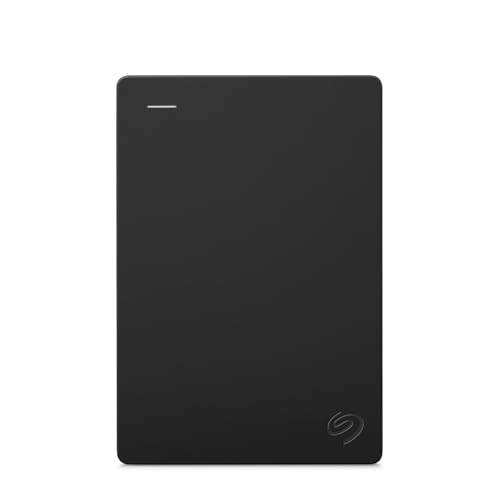
- 2TB portable storage for music files
- USB 3.0 plug-and-play setup
- Works with Windows and Mac
Best For: portable project backup and file transfers
Desktop Archive Pick

- 10TB desktop storage for large libraries
- Up to 240MB/s transfer speed
- USB-C and Thunderbolt 3 support
Best For: studio archiving and high-capacity project storage
Value Portable Pick
WD Elements 5TB Portable Drive
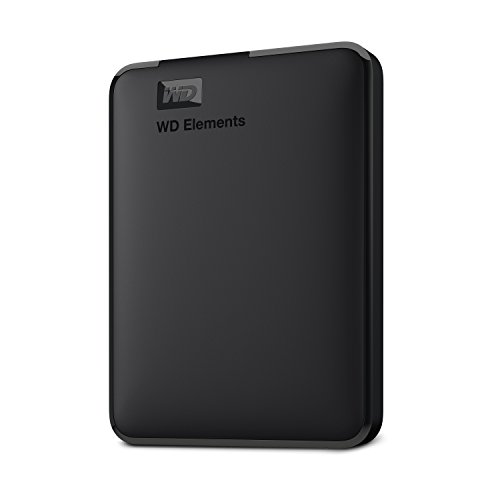
- 5TB portable storage for sessions
- Plug-and-play simplicity
- USB 3.2 Gen 1 / USB 3.0 support
Best For: budget-friendly portable storage for music libraries
Desktop Value Pick
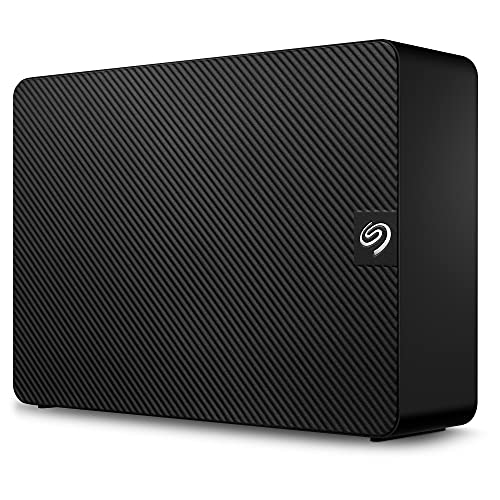
- 4TB desktop storage for backups
- USB 3.0 with drag-and-drop use
- Automatic Windows and Mac recognition
Best For: easy desktop backup for home studios
Large-Capacity Portable Pick
- 6TB capacity suits large music libraries and backups
- USB 3.2 Gen 1 / USB 3.0 plug-and-play setup
- 2.5-inch portable design with 2-year warranty
Best For: Producers who want simple high-capacity storage for sessions and samples
Budget Slim Backup Drive
UnionSine 1TB Ultra Slim Portable

- Pocket-sized 2.5-inch portable design
- USB 3.0 with claimed up to 125MB/s read speed
- Quiet operation and 3-year warranty
Best For: Budget-minded producers who need a small, quiet backup drive
Secure Backup Choice
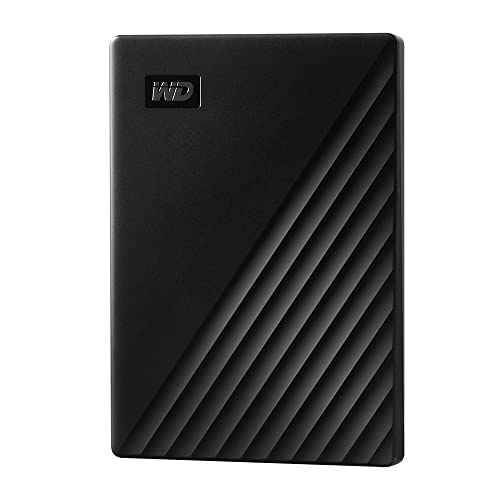
- Backup software with ransomware defense
- Password protection and hardware encryption
- Portable 2TB drive with USB 3.1 / USB 3.0 compatibility
Best For: Producers who want portable storage with built-in security and backup tools
Rugged Studio Backup

- 4TB storage for projects and backups
- Drop, shock, dust, and rain resistant
- USB-C works with Mac and PC
Best For: Portable backup and project storage for mobile producers
High-Capacity Backup Choice
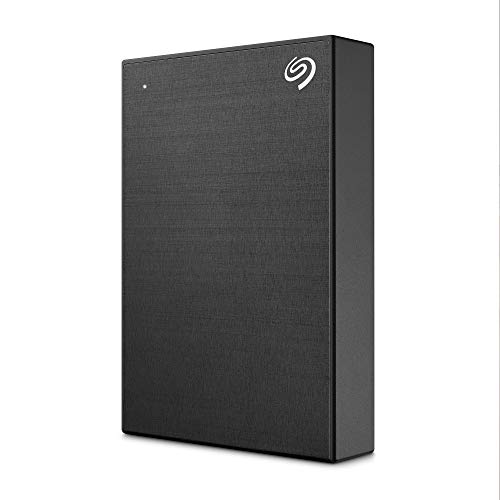
- 5TB portable storage for big libraries
- One-click and scheduled backups
- Includes rescue services and software extras
Best For: Artists who want roomy, simple backup storage
Compact Rugged Option

- Rugged design for travel and field use
- USB-C and USB 3.0 compatibility
- 2TB portable storage for smaller projects
Best For: Producers needing a tough, compact project drive
Portable Backup Pick – Seagate 2TB Portable Hard Drive
For buyers looking at external hard drives for music production, the Seagate 2TB Portable Hard Drive is a straightforward option for moving sessions, stems, and sample libraries between computers. Its plug-and-play setup, USB 3.0 connection, and Windows/Mac compatibility make it easy to drag and drop files without extra software.
Best For: Producers who want a simple portable drive for everyday project backup and session transfers.
Pros:
- 2TB of portable storage for projects, samples, and backups
- USB 3.0 plug-and-play setup with no software required
- Works with Windows and Mac computers
- Compact design makes it easy to carry to sessions
Cons:
- Mechanical portable drive, so it is not as fast as SSD storage
- Best suited to storage and transfer, not intensive live editing
This is a practical choice if you mainly need a dependable place to store and move music files. It keeps things simple and portable, which is often what matters most for day-to-day production work.
Desktop Archive Pick – LaCie d2 Professional 10TB
If you need external hard drives for music production that can handle larger libraries, the LaCie d2 Professional offers desktop-class storage with 10TB of capacity. It is designed for creatives using SSD-based laptops or all-in-one computers, and its USB-C/Thunderbolt 3 support makes it a strong fit for a studio desk setup.
Best For: Studio producers who need high-capacity desktop storage for archiving and editing large projects.
Pros:
- 10TB capacity for large session archives and sample collections
- Up to 240MB/s speeds for editing and archiving work
- USB-C and Thunderbolt 3 compatibility
- Aluminum enclosure helps reduce noise and vibration
Cons:
- Desktop design is not meant for frequent travel
- Requires more space and external power than a portable drive
This drive makes sense when your music files are growing beyond what a small portable unit can comfortably handle. It is built for a fixed studio workstation where capacity, reliability, and connection flexibility matter.
Value Portable Pick – WD Elements 5TB Portable Drive
Among external hard drives for music production, the WD Elements 5TB Portable External Hard Drive stands out for simple plug-and-play storage with a lot of room for sessions and samples. It supports USB 3.2 Gen 1 and USB 3.0, and it is built for easy expansion on PC and Mac systems.
Best For: Producers who want a roomy portable drive for backing up projects and carrying libraries.
Pros:
- 5TB portable capacity for project files and sample packs
- Plug-and-play setup keeps use simple
- USB 3.2 Gen 1 / USB 3.0 support
- Compatible with desktop, laptop, and tablet devices
Cons:
- Listed read speed is modest compared with desktop models
- Mechanical portable drive is better for storage than heavy editing
This is a sensible pick if you want more capacity than a basic portable drive without moving up to a bulky desktop unit. It keeps the setup easy while giving you plenty of room for growing music libraries.
Desktop Value Pick – Seagate Expansion Desktop 4TB
If you want external hard drives for music production with a simple desk-ready setup, the Seagate Expansion Desktop 4TB is built for easy file storage and transfer. It uses USB 3.0, auto-recognizes on Windows and Mac, and includes data recovery services for added peace of mind.
Best For: Producers who need a no-fuss desktop drive for project backup and everyday storage.
Pros:
- 4TB desktop capacity for sessions and backups
- USB 3.0 file transfers and drag-and-drop use
- Automatic recognition on Windows and Mac
- Includes limited warranty and rescue data recovery services
Cons:
- Desktop design means it is less portable than bus-powered drives
- 5400 rpm drive is geared more toward storage than speed
This model is a good fit when you want a stationary storage solution that is easy to set up and simple to use. It is especially practical for backing up finished tracks, samples, and project folders at your workstation.
Large-Capacity Portable Pick – WD 6TB Elements Portable
If you need external hard drives for music production and want a simple way to store large project libraries, session backups, and sample collections, the WD 6TB Elements Portable focuses on capacity and plug-and-play use. Its 6TB size gives you plenty of room for audio projects, and the USB 3.2 Gen 1 interface is designed for straightforward day-to-day transfers.
Best For: Producers who want a high-capacity, no-fuss drive for storing lots of music files and backups.
Pros:
- 6TB of storage for big libraries, recordings, and archived sessions
- USB 3.2 Gen 1 / USB 3.0 support for easy plug-and-play connection
- Compact 2.5-inch portable design makes it easy to move between setups
- Includes a 2-year limited warranty
Cons:
- Mechanical hard drive, so it is not as fast as an SSD
- Basic portable model without backup software or password protection
For music production workflows where storage space matters more than extra features, this WD drive is a practical option. It is best suited for library storage, project archiving, and general file transport rather than speed-focused recording tasks.
Budget Slim Backup Drive – UnionSine 1TB Ultra Slim Portable
For external hard drives for music production on a tighter budget, the UnionSine 1TB Ultra Slim Portable is a compact option for carrying project files, stems, and smaller sample folders. It uses a USB 3.0 connection, supports plug-and-play use, and is built around a quiet 2.5-inch mechanical drive.
Best For: Producers who need a lightweight, affordable drive for smaller music libraries and portable backups.
Pros:
- Ultra-slim and pocketable design for easy portability
- USB 3.0 transfer support with claimed read speeds up to 125MB/s
- Quiet operation thanks to the JMicron 578 noise-free solution
- Three-year manufacturer’s warranty and free technical support
Cons:
- 1TB capacity may fill up quickly with large sample libraries
- Mechanical drive is less suitable than an SSD for speed-critical work
This UnionSine drive makes sense as a basic grab-and-go storage companion for lighter production needs. It is a straightforward choice if you mainly want dependable file transfer and portable backup without paying for extra capacity.
Secure Backup Choice – WD 2TB My Passport
If you want external hard drives for music production with a stronger focus on file protection, the WD 2TB My Passport adds backup software, password protection, and hardware encryption. The 2TB capacity is useful for project backups, session archives, and smaller music libraries, while the slim 2.5-inch design keeps it easy to carry.
Best For: Producers who want portable storage with built-in security and backup tools.
Pros:
- Includes backup software with defense against ransomware
- Password protection and hardware encryption help secure project files
- 2TB capacity fits backups and moderate music libraries
- USB 3.1 / USB 3.0 compatibility for easy connection
Cons:
- Mechanical hard drive, so performance is not as fast as an SSD
- 2TB is smaller than high-capacity options for very large sample collections
This My Passport model stands out when protecting sessions matters as much as storing them. It is a solid fit for producers who want a portable drive with more security features than a basic external hard disk.
Rugged Studio Backup – LaCie Rugged USB-C 4TB
If you need one of the more durable external hard drives for music production, this LaCie Rugged USB-C model is built for sessions that move between studio, rehearsal space, and travel. The 4TB capacity gives you room for multitrack recordings, sample libraries, and project backups, while USB-C connectivity keeps transfers simple on modern Mac and PC setups.
Best For: Producers who want a tough, portable 4TB drive for backups and active project storage.
Pros:
- Drop, shock, dust, and rain resistant for more confidence on the move
- 4TB capacity suits large audio projects and backups
- USB-C connection works with modern laptops and desktops
- Compatible with both Mac and PC
Cons:
- Mechanical 2.5-inch drive, so it is not as fast as an SSD
- Rated read speed is 130 MB/s, which is fine but not blazing fast
This is a practical choice if durability matters as much as capacity. It is best viewed as a reliable portable library and backup drive rather than a speed-first production disk.
High-Capacity Backup Choice – Seagate One Touch 5TB
For external hard drives for music production, this Seagate One Touch stands out when you want a lot of space in a compact, portable package. The 5TB capacity is useful for keeping sample packs, session archives, and general media in one place, and the USB 3.0 connection makes it easy to use with laptops and PCs.
Best For: Music makers who want high capacity and simple one-click or scheduled backups.
Pros:
- 5TB capacity for large libraries and archive storage
- One-click backup plus automatic daily, weekly, or monthly backups
- USB 3.0 support for straightforward connectivity
- Includes 2-year rescue services and a 2-year limited warranty
Cons:
- Mechanical hard drive, so transfer performance is not SSD-level
- Time Machine use may require reformatting
This is a solid pick if capacity and backup convenience matter more than rugged protection. The included software extras and recovery services add value for users who want a low-fuss storage companion.
Compact Rugged Option – LaCie Rugged USB-C 2TB
If you want a smaller option among external hard drives for music production, this 2TB LaCie Rugged USB-C is aimed at portable use and basic project storage. It keeps the same rugged design approach as the larger model, with drop, shock, dust, and rain resistance, plus USB-C and USB 3.0 compatibility for flexible hookup on Mac and PC systems.
Best For: Producers who need a compact rugged drive for smaller projects and on-the-go backups.
Pros:
- Rugged shell resists drops, shocks, dust, and rain
- USB-C and USB 3.0 compatibility adds flexibility
- Works with Mac, PC, and even select game consoles listed in the specs
- Portable 2TB size is easy to carry
Cons:
- 2TB fills up faster if you keep large sample libraries locally
- Mechanical drive with 130 MB/s read speed
This model makes sense if you value toughness and portability over maximum capacity. It is a sensible everyday backup drive for smaller sessions, transfer work, and travel.
How We Picked These External Hard Drives for Music Production
We prioritized real-world studio usefulness: enough capacity for multitrack sessions and sample libraries, broadly compatible USB connections, dependable brand support, and form factors suited to either desktop or mobile use. We also favored models with practical extras such as rugged housing, password protection, backup tools, or warranty coverage.
Quick Comparison
Portable drives are the best fit if you move between rooms, studios, or sessions and need easy transport. Desktop drives usually offer better value per terabyte and are better suited to a fixed workstation or long-term archive. If you want one of the best External Hard Drives for Music Production, the main decision is whether portability or capacity matters more for your setup.
Key Buying Factors for External Hard Drives for Music Production
Capacity
Sample libraries, multitrack stems, and session backups add up quickly. For light use, 1TB to 2TB may be enough. For ongoing production, 4TB to 6TB is a safer starting point, while 10TB desktop drives are better for large libraries and archives.
Speed and Connection
USB 3.0 and USB 3.2 Gen 1 are common and generally sufficient for recording projects, editing audio, and transferring files. If you work with very large sessions, faster sustained performance and a direct, stable connection matter more than peak advertised speed.
Portability Vs. Stability
Portable drives are convenient, but desktop models often run cooler and provide more consistent long-session storage. For field recording, laptop-based production, or frequent travel, rugged portable drives are worth considering.
Durability and Data Protection
Shock resistance, dust or rain protection, password security, and included backup software can all reduce risk. These features are especially helpful when a drive leaves the studio.
Who Should Buy Which External Hard Drives for Music Production?
If you want a simple starter backup drive, a 1TB or 2TB portable model is usually the easiest choice. If you manage multiple projects or sample packs, a 4TB to 6TB portable drive gives you more breathing room without adding much complexity. If you need centralized storage for a serious library or long-term archive, a 10TB desktop drive is the strongest value.
For most buyers comparing External Hard Drives for Music Production, the best option is the one that fits your workflow today and leaves enough headroom for tomorrow’s sessions.