Choosing the right camera can make a bigger difference than almost any other upgrade in deep-sky imaging. Sensor size, cooling, noise performance, and compatibility all shape your final image.
This roundup highlights 10 strong options for different budgets and setups, so you can find a camera that matches your telescope, targets, and workflow.
Best 10 Astronomy Cameras for Deep Sky Imaging Picks for 2026
Premium APS-C Cooled Choice
SVBONY SC571CC Cooled Color Astronomy Camera

- 26MP APS-C IMX571 sensor with 3.76 μm pixels
- Dual-stage TEC cooling lowers sensor temp by 35°C
- Front-window heater and zero amp-glow help keep data clean
Best For: Serious deep-sky imagers wanting APS-C cooled color performance
Planetary Pick with Guiding Support
Celestron NexImage 20 Solar System Imager

- 20MP AR2020 sensor for lunar, planetary, and solar detail
- Plug-and-play design with USB-C connectivity
- Built-in autoguiding support for deep-sky tracking
Best For: Users who want an easy planetary camera that can also guide
Balanced 4/3-Inch Cooled Option
SVBONY SV405CC Astrophotography Camera

- Back-illuminated IMX294 4/3-inch sensor with 4.63 μm pixels
- Two-stage TEC cooling lowers sensor temp by 30°C
- Smart HCG mode and 256 MB buffer support stable imaging
Best For: Imagers wanting a cooled color camera with broad compatibility
High-Resolution Pro Cooled Pick
ZWO ASI183MC Pro Color Astronomy Camera

- 20.1MP back-illuminated sensor with 2.4 μm pixels
- TEC cooling lowers sensor temperature 40°C to 45°C below ambient
- USB 3.0 plus 256MB DDR3 buffer and accessory hub
Best For: Advanced users wanting compact, high-detail cooled deep-sky imaging
Wireless Entry-Level Deep Sky
SVBONY SC311 Upgraded WiFi Telescope Camera

- IMX662 sensor with low noise and no amp glow
- Built-in WiFi with phone/tablet hotspot control
- 30-second exposures, RAW/FITS, and onboard storage
Best For: Beginners wanting a simple wireless deep-sky and EAA camera
Serious Cooled Imaging Pair
SVBONY Deep-Sky Master SC571CC + SV238 OAG
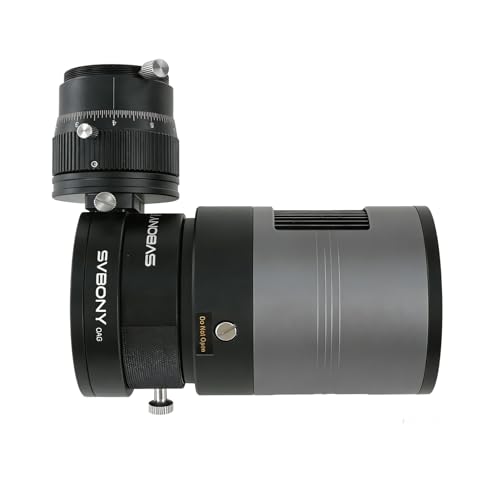
- IMX571 APS-C cooled camera with 26MP detail
- Dual-stage TEC cooling and window heater for cleaner frames
- OAG bundle includes large prism and M48 filter drawer
Best For: Committed deep-sky imagers building a matched cooled and guided system
Cooled Square-Frame Option
SVBONY SV605CC Cooled Color Astrophotography Camera
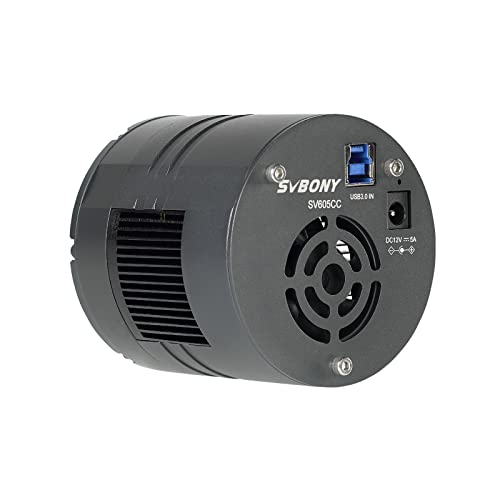
- IMX533 1-inch square sensor with 3008x3008 output
- Double-layer cooling reaches 30°C below ambient
- Zero-glow design helps improve signal-to-noise ratio
Best For: Hobbyists wanting a cooled color deep-sky camera with a square sensor
Starter Bundle
1.25" USB Telescope Camera with UHC Filter
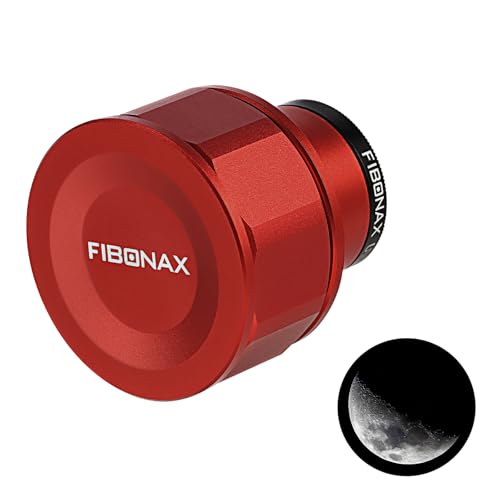
- Includes camera plus UHC filter
- Plug-and-play USB setup
- Aimed at nebula and deep-sky contrast
Best For: Beginners wanting an easy all-in-one starter kit
High-Sensitivity Pick
SV705C IMX585 USB 3.0 Astronomy Camera

- IMX585 sensor with strong signal-to-noise
- Works for EAA, lucky imaging, and entry-level deep sky
- High resolution with improved near-IR sensitivity
Best For: EAA users and beginners wanting better sensor performance
Cooled APS-C Option
SC571CC IMX571 Cooled Deep-Sky Camera

- Cooled APS-C IMX571 sensor with 26MP
- Front-window heater helps fight dew
- Includes 2" UV/IR cut filter
Best For: Serious deep-sky imagers who want cooling and dew control
Premium APS-C Cooled Choice – SVBONY SC571CC Cooled Color Astronomy Camera
If you want astronomy cameras for deep sky imaging with a large sensor and strong cooling, the SVBONY SC571CC is built for exactly that job. Its IMX571 APS-C back-illuminated sensor, 16-bit output, and dual-stage TEC cooling make it a solid option for long exposures on faint nebulae, galaxies, and other low-contrast targets.
Best For: Astrophotographers who want an APS-C cooled color camera for clean deep-sky imaging and long sessions.
Pros:
- 26MP APS-C IMX571 sensor with 3.76 μm pixels for high-resolution deep-sky detail
- Dual-stage TEC cooling rated to 35°C below ambient helps reduce noise on long exposures
- Front-window heater helps guard against dew and moisture during imaging sessions
- Zero amp-glow and 512 MB DDR3 buffer support cleaner, more stable capture runs
Cons:
- Best suited to users who want a dedicated cooled astronomy camera rather than a simple starter model
- APS-C format and higher-end features may be more than needed for basic planetary use
This is a well-rounded choice if your priority is deep-sky data quality, thermal control, and wide compatibility with common telescope types. It offers a strong feature set for serious one-shot color imaging.
Planetary Pick with Guiding Support – Celestron NexImage 20 Solar System Imager
The Celestron NexImage 20 is aimed at solar system targets first, but it still has a useful place among astronomy cameras for deep sky imaging thanks to its built-in autoguiding support. If you want a simple, plug-and-play camera for the Moon, planets, and Sun, with the ability to double as a guider, this model keeps the setup straightforward.
Best For: Beginners or budget-minded users who mainly want lunar and planetary imaging, plus autoguiding for deep-sky setups.
Pros:
- 20MP AR2020 sensor delivers high-resolution lunar, planetary, and solar detail
- Plug-and-play setup makes it easy to start capturing quickly
- ROI cropping can increase frame rate and speed stacking on small targets
- Built-in autoguiding support adds flexibility for deep-sky tracking
Cons:
- Purpose-built for solar system objects, not a dedicated deep-sky camera
- Single-camera use is more limited than cooled models for faint nebula work
For users who mostly image brighter targets, the NexImage 20 is simple and capable. Its guiding support makes it more versatile than a pure planetary camera, but deep-sky imagers will usually want a cooled sensor for the main imaging role.
Balanced 4/3-Inch Cooled Option – SVBONY SV405CC Astrophotography Camera
If you’re shopping for astronomy cameras for deep sky imaging and want a cooled one-shot color model with a strong sensor, the SVBONY SV405CC is a practical middle-ground choice. Its back-illuminated IMX294 4/3-inch sensor, 14-bit output, and two-stage TEC cooling are aimed at collecting clean data on nebulae and other faint targets.
Best For: Deep-sky imagers who want a cooled 4/3-inch color camera with good sensitivity and broad software support.
Pros:
- Back-illuminated IMX294 sensor with 4.63 μm pixels for strong light capture
- Two-stage TEC cooling lowers sensor temperature by 30°C below ambient
- Smart HCG mode helps reduce read noise when gain is 120 or higher
- USB 3.0 and 256 MB buffer support stable, high-speed transfers
Cons:
- Lower resolution than larger APS-C cameras if you want maximum field detail
- Cooling is strong, but not as aggressive as some higher-end options
This camera makes sense if you want a capable cooled deep-sky imager without jumping to a larger APS-C body. The sensor size, HCG mode, and compatibility across multiple platforms make it a flexible choice for many setups.
High-Resolution Pro Cooled Pick – ZWO ASI183MC Pro Color Astronomy Camera
ZWO ASI183MC Pro 20.18 MP CMOS Color Astronomy Camera with USB 3.0 # ASI183MC-P
Check Price On AmazonThe ZWO ASI183MC Pro is a compact cooled color camera designed for high-resolution deep-sky work. With its 20.1MP back-illuminated sensor, small 2.4-micron pixels, and strong TEC cooling, it is aimed at capturing fine structure in nebulae, galaxies, supernova remnants, and other demanding targets.
Best For: Experienced imagers who want a cooled, high-resolution color camera for detailed deep-sky imaging.
Pros:
- 20.1MP sensor with 2.4 μm pixels captures fine detail on small or distant targets
- TEC cooling lowers sensor temperature 40°C to 45°C below ambient
- USB 3.0 with 256MB DDR3 buffer supports stable high-speed transfers
- Includes a USB2.0 hub for powering accessories such as guiding and focus gear
Cons:
- Requires a separate 12V power supply for the cooler
- Small pixels can make matching the camera to the telescope and seeing conditions more important
For users who want a proven cooled camera with very fine sampling, the ASI183MC Pro remains a strong contender. It is especially attractive if you value compact build quality, accessory support, and deep-sky detail over simplicity.
Wireless Entry-Level Deep Sky – SVBONY SC311 Upgraded WiFi Telescope Camera
If you want to get started with astronomy cameras for deep sky imaging without jumping straight into a full cooled setup, the SVBONY SC311 is a practical wireless option. Its IMX662 sensor, 30-second exposure support, and built-in WiFi make it well suited to beginner deep-sky imaging and EAA-style observing from a phone or tablet.
Best For: Beginners who want a simple wireless camera for EAA, moon/planet work, and introductory deep-sky imaging.
Pros:
- IMX662 sensor offers low noise, no amp glow, and enhanced red/NIR sensitivity.
- Built-in 2.4G WiFi creates a direct hotspot for phone or tablet control.
- Supports up to 30-second exposures, RAW/FITS saving, and scheduled shooting.
- Includes a 2500mAh battery and 32GB TF card, with expansion support up to 256GB.
Cons:
- No image preview in photo mode, so you must tap the exposure button to see the picture.
- Wireless convenience is useful, but it is not a cooled camera for long-exposure imaging.
- Best for beginner deep-sky use rather than advanced, high-volume capture workflows.
Overall, the SC311 stands out for convenience and accessibility. It is a good match if you want a compact camera that can handle casual deep-sky sessions, store files onboard, and keep setup simple.
Serious Cooled Imaging Pair – SVBONY Deep-Sky Master SC571CC + SV238 OAG
For astrophotographers looking at astronomy cameras for deep sky imaging as a more complete imaging train, this bundle combines a cooled APS-C camera with an off-axis guider and filter drawer. The SC571CC uses an IMX571 sensor with TEC cooling and zero amp-glow, while the SV238 OAG adds a large prism and dual-helical focuser for more reliable guiding.
Best For: Serious deep-sky imagers who want a matched cooled camera and guiding solution in one package.
Pros:
- IMX571 APS-C sensor delivers 26MP resolution for detailed deep-sky work.
- Dual-stage TEC cooling with a -35C delta helps reduce thermal noise on long exposures.
- SV238 OAG includes a large 8x14mm prism and dual-helical focuser for precise guiding.
- Integrated M48 filter drawer supports quick, tool-free filter changes.
Cons:
- This is a more advanced setup that suits committed imaging workflows.
- The bundle is designed around a 55mm back focal length solution, so spacing needs to be planned carefully.
- Best results depend on compatibility with your capture and guiding software setup.
This is the most complete option in the group for users building a serious deep-sky rig. If you want cooling, guiding, and filter management to work together cleanly, this bundle is built for that job.
Cooled Square-Frame Option – SVBONY SV605CC Cooled Color Astrophotography Camera
The SV605CC is a strong middle-ground choice for astronomy cameras for deep sky imaging if you want a cooled color camera without moving to a full bundle. Its IMX533 square sensor, 80% quantum efficiency, and double-layer semiconductor refrigeration make it aimed at improving signal quality for deep-space and lucky-imaging sessions.
Best For: Hobbyists who want a cooled color deep-sky camera with a square sensor and straightforward USB operation.
Pros:
- IMX533 1-inch color sensor offers a 3008×3008 square frame.
- Quantum efficiency is listed at 80%, supporting efficient light capture.
- Double-layer semiconductor refrigeration cools to 30°C below ambient.
- Zero-glow design helps reduce residual glow and improve signal-to-noise ratio.
Cons:
- It is a 9MP camera, so resolution is lower than larger-sensor options.
- The square frame may not suit every target or framing preference.
- Listed as a manual-focus camera, so it still depends on your telescope setup and workflow.
In practice, the SV605CC offers a balanced cooled-camera experience for users who want cleaner long exposures and an easy-to-manage sensor format. It is a sensible pick if you value cooling and low-glow imaging over maximum resolution.
Starter Bundle – 1.25" USB Telescope Camera with UHC Filter
If you want astronomy cameras for deep sky imaging without building a setup piece by piece, this all-in-one bundle is a practical starting point. The included UHC filter is aimed at improving contrast on nebulae and other faint objects, while the USB camera is designed for plug-and-play use across common platforms.
Best For: Beginners and hobbyists who want a simple deep-sky starter kit with light-pollution help.
Pros:
- Includes both a 1.25" USB astronomy camera and a UHC filter
- UHC filter is designed to reduce light pollution and improve nebula contrast
- UVC plug-and-play support for Windows, Mac, Linux, and Raspberry Pi
- Standard 1.25" fit makes it easy to use with common telescopes and accessories
Cons:
- Best suited to beginner and basic deep-sky use rather than advanced imaging
- CMOS sensor is described as ideal for lunar, planetary, and basic deep-sky photography
- 1.25" format may not match every imaging train without adapters
This bundle makes sense if you want a straightforward way to begin deep-sky work with minimal setup friction. The camera-and-filter pairing is the main value here, especially for users looking to capture nebulae more clearly under brighter skies.
High-Sensitivity Pick – SV705C IMX585 USB 3.0 Astronomy Camera
Among astronomy cameras for deep sky imaging, this SV705C stands out as an entry-level option that still brings some serious sensor advantages. The IMX585 design emphasizes high full-well capacity, strong signal-to-noise performance, and improved near-infrared sensitivity for EAA, lucky imaging, and basic deep-sky work.
Best For: EAA users and beginners who want a more capable deep-sky camera with strong sensor performance.
Pros:
- IMX585 sensor offers higher full-well capacity and strong signal-to-noise performance
- Near-infrared sensitivity is claimed to be 1.7 times higher than the previous generation
- 4K-class 3856×2180 resolution with a 1/1.2" frame for rich detail capture
- USB 3.0 camera is positioned for EAA, lucky imaging, and entry-level deep sky shooting
Cons:
- Still described as entry-level for deep sky rather than a full advanced cooled imaging solution
- Product notes focus heavily on performance specs rather than included accessories
- CS port design may require attention to compatibility with your telescope setup
If you want a camera that can do more than planetary imaging and has stronger sensor specs for faint targets, this is a compelling step up. It is a sensible pick for users who value sensitivity and efficiency in a compact USB astronomy camera.
Cooled APS-C Option – SC571CC IMX571 Cooled Deep-Sky Camera
If you are shopping for astronomy cameras for deep sky imaging and want a more serious long-exposure tool, the SC571CC is built around a cooled APS-C sensor. Its IMX571 BSI design, dual-stage TEC cooling, and integrated heater are all aimed at cleaner data from faint nebulae, star fields, and other demanding targets.
Best For: Deep-sky imagers who want a cooled APS-C camera with built-in dew protection and UV/IR filtering.
Pros:
- APS-C IMX571 BSI sensor with 26MP resolution and 23.4×15.7mm imaging area
- Dual-stage TEC cooling lowers sensor temperature 35°C below ambient
- Front-window heater helps protect against dew and moisture during long sessions
- Includes a 2" UV/IR cut filter for cleaner, more natural deep-sky images
Cons:
- More specialized than a simple plug-and-play starter camera
- Cooling and heater features make it a more complex setup for beginners
- Best value is tied to long-exposure deep-sky imaging rather than casual use
This is the most capable deep-sky-focused option in the group if your priority is image quality and thermal control. The cooled APS-C platform and included filter make it well suited to more demanding astrophotography sessions.
How We Picked These Astronomy Cameras for Deep Sky Imaging
We focused on models that make sense for real-world deep-sky use: low-noise sensors, active cooling where available, solid USB connectivity, and practical mounting or accessory support. We also balanced higher-end cooled cameras against simpler choices for beginners who want an easier entry point.
Quick Comparison
In general, cooled color cameras are the strongest all-around choice for long-exposure nebula and galaxy work. Larger sensors can capture wider fields and reduce framing challenges, while smaller sensors may offer better reach for smaller targets. Non-cooled and Wi-Fi models can still be useful, but they tend to fit more casual, planetary, or budget-oriented setups.
Key Buying Factors for Astronomy Cameras for Deep Sky Imaging
Sensor Size and Pixel Size
Larger sensors help with wide-field targets and easier framing. Pixel size affects sampling, so pair the camera with your telescope focal length and seeing conditions. For many deep-sky rigs, the best match is the one that balances field of view with enough detail to avoid oversampling.
Cooling and Noise Control
For long exposures, cooling is a major advantage. It helps reduce thermal noise and keeps results more consistent across sessions. If you image faint nebulae or galaxies, a cooled camera is usually worth prioritizing over extra features.
Color Vs. Mono
Most buyers here will want a color camera for simplicity. Mono systems can offer higher flexibility, but they also add complexity and cost. If you want an easier path to finished images, color is the practical choice.
Compatibility and Workflow
Check backfocus, sensor format, driver support, power needs, and whether your imaging train needs an OAG, filter drawer, or special adapters. A camera that fits your telescope mechanically is far more valuable than one with spec-sheet appeal but awkward setup.
Who Should Buy Which Astronomy Cameras for Deep Sky Imaging?
Beginners usually do best with a simpler, plug-and-play option that reduces setup friction. Intermediate users who want better results on nebulae and galaxies should look at cooled cameras with proven sensors. Advanced imagers or anyone using a dedicated deep-sky rig should favor larger, cooled sensors and accessories that improve guiding, filtering, and thermal control. If you mainly shoot planets or the Moon, a deep-sky camera may still work, but a faster, high-frame-rate planetary model is often the better fit.
The best Astronomy Cameras for Deep Sky Imaging are the ones that match your telescope, your targets, and the amount of complexity you actually want in your workflow.